
Tosca — Puccini's dramatic three-act opera
Tosca is a verismo opera in three acts by Giacomo Puccini, premiered in Rome in 1900. It is known for its intense drama, vivid characters, and memorable arias.
Tosca is an Italian opera in three acts composed by Giacomo Puccini. Premiered in Rome on 14 January 1900, the work established itself quickly as one of the composer's most popular stage pieces. The libretto was prepared by the team of Giuseppe Giacosa and Luigi Illica and is adapted from Victorien Sardou's drama La Tosca. From its first performances the piece was praised for its concentrated dramatic intensity and memorable melodies.
Image gallery
10 Images




Background and libretto
Puccini selected Sardou's play for its theatrical potency and tightly constructed plot. The librettists condensed and reshaped the original text to suit operatic pacing while preserving key confrontations and moral tensions. The premiere took place in Rome, a context that influenced staging and reception. Although critics at the time debated its realism and moral tone, audiences responded strongly to the work's emotional urgency.
Synopsis (brief)
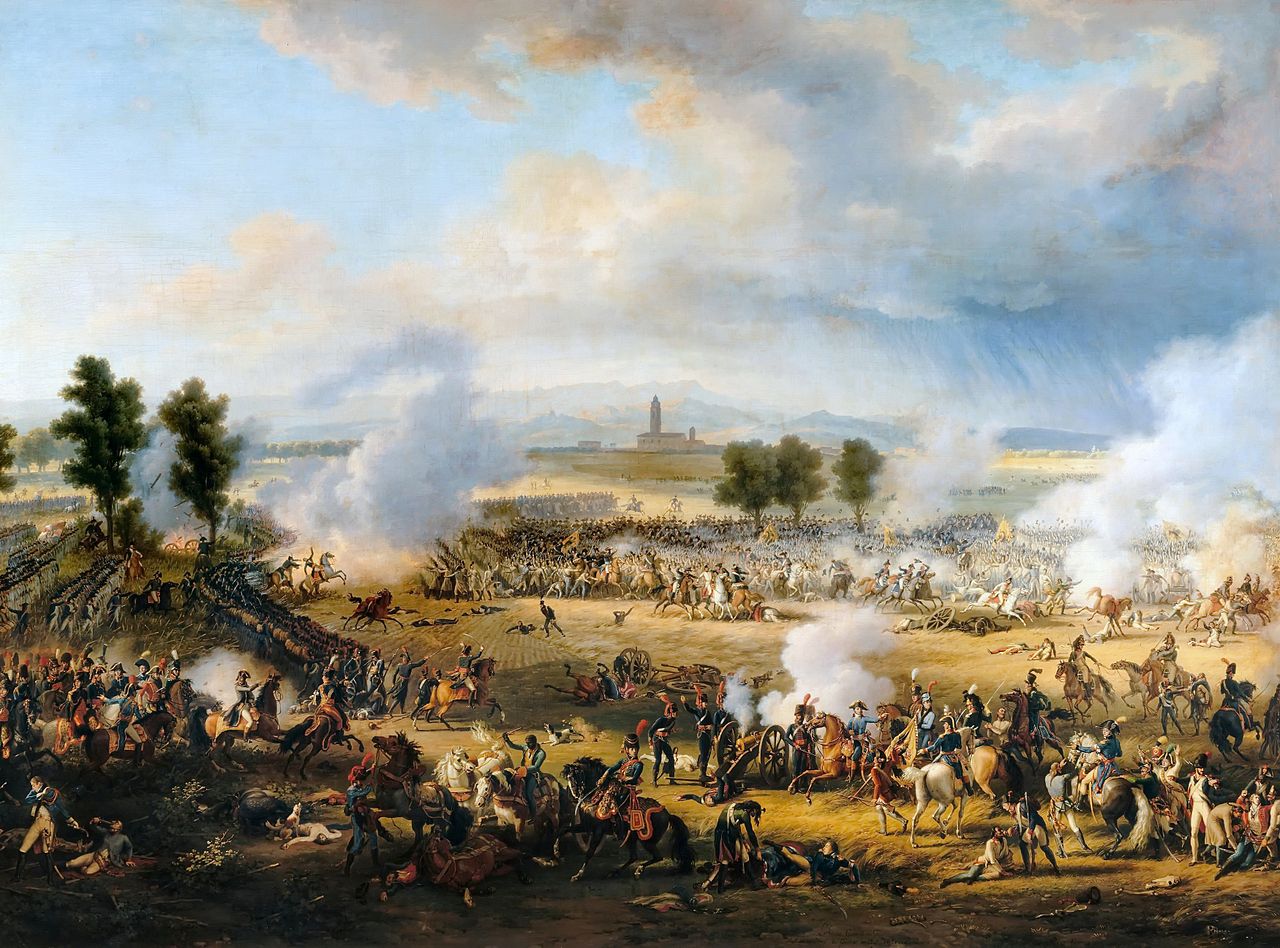
Set in Rome during the Napoleonic wars, the drama centers on the singer Floria Tosca, her lover Mario Cavaradossi, and the villainous chief of police, Baron Scarpia. The story proceeds through three acts of mounting peril: a church scene that reveals political intrigue, a tense sequence of interrogation and moral collapse, and a final act of tragic resolution. The plot combines political repression, jealousy, and sacrifice.
Musical characteristics and highlights
Puccini's score is marked by richly expressive orchestration, direct harmonic language, and an emphasis on leitmotifs that bind characters and ideas. Notable numbers include Tosca's passionate arias and Cavaradossi's lyrical lines. The opera balances intimate moments of confession with large-scale dramatic set pieces and underscoring that heightens suspense.
Principal roles and famous excerpts
- Floria Tosca — the soprano heroine
- Mario Cavaradossi — the tenor lover
- Baron Scarpia — the baritone antagonist
Among the most performed excerpts are Tosca's climactic outbursts and the tenor's poignant arias, which often appear in concert programs and recordings. For further reading and resources see libretto details and modern performance guides (language notes).
Performance history and legacy
After its 1900 debut the opera quickly entered the standard repertory and has remained a staple of opera houses worldwide. Productions range from traditional stagings that emphasize historical setting to contemporary reinterpretations that highlight political themes. Tosca's combination of human drama and musical immediacy has secured its place as a work frequently cited in surveys of late-19th and early-20th century opera. Scholars and performers continue to study the work for its theatrical craft and emotional power; recorded performances and critical editions are widely available for both listeners and students (performance history, composer studies, premiere archives, librettist notes, text sources).
Related articles
Author
AlegsaOnline.com Tosca — Puccini's dramatic three-act opera Leandro Alegsa
URL: https://en.alegsaonline.com/art/100789