
Loviisa: a bilingual coastal town in Uusimaa, Finland
Loviisa is a bilingual coastal town in Uusimaa, Finland, founded in 1745. It is known for its historic wooden town, maritime harbour, nearby nuclear power plant and a mixed Finnish–Swedish heritage.
Overview
Loviisa (Swedish: Lovisa) is a small coastal town and municipality in the region of Uusimaa, in southern Finland. Established in 1745, Loviisa retains a compact centre of historic buildings and a working harbour. The municipality is officially bilingual; both Finnish and Swedish are commonly used in public life and local services. As of January 2014, the population was almost 15,500.
Image gallery
10 Images
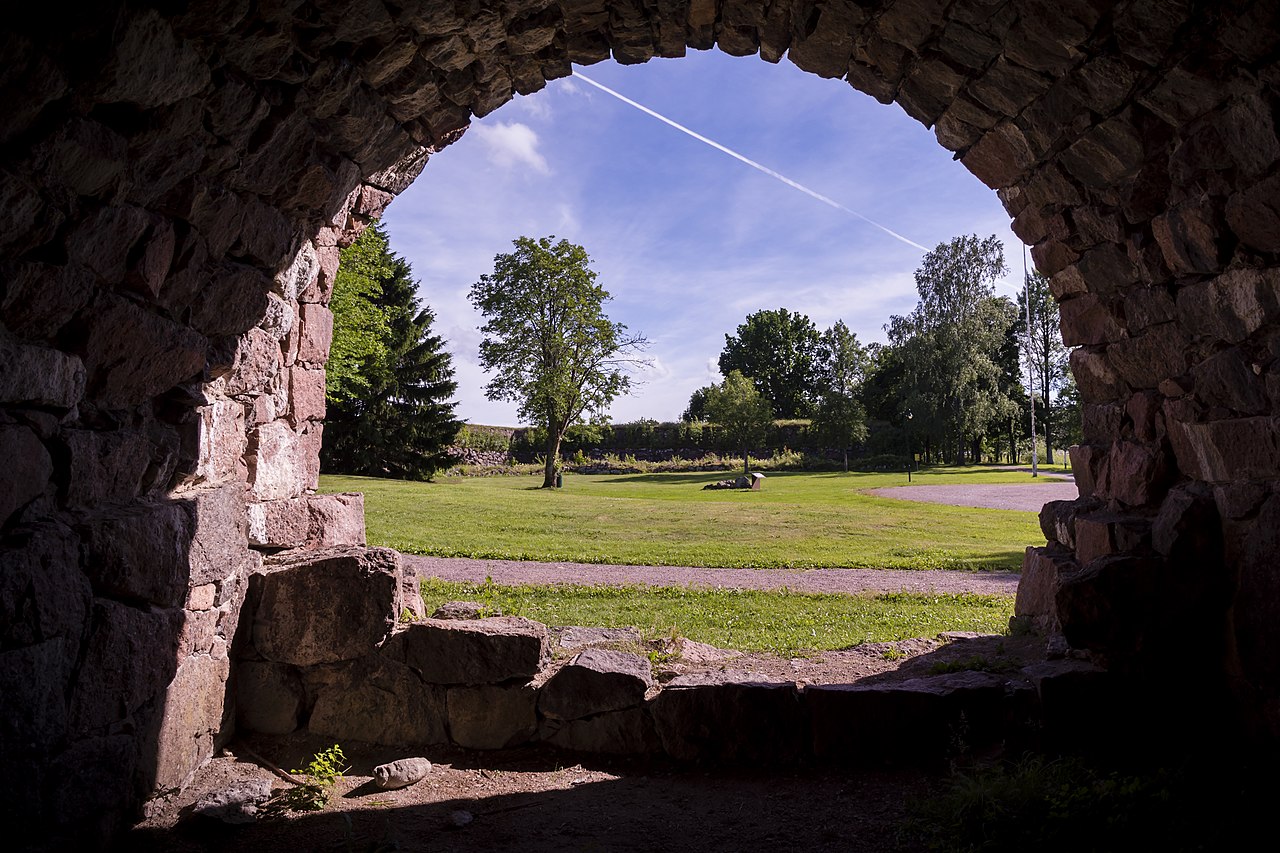


Geography and neighbouring municipalities
Loviisa lies on the coast of the Gulf of Finland and combines small urban districts with agricultural countryside and forested areas inland. Nearby municipalities include:
History
Loviisa was founded in the mid-18th century during Swedish rule and named in honour of a royal figure of the period. Its harbour and defensive structures grew in importance as maritime trade and coastal defence developed. The town centre preserves elements of its historic street plan and traditional wooden architecture, reflecting its long coastal heritage.
Economy and infrastructure
The local economy mixes services, small industry, tourism and energy. A prominent feature in the wider area is the Loviisa nuclear power plant, which has been an important employer and economic presence. The town's harbour supports fishing, leisure boating and some commercial shipping, while road links connect Loviisa to larger regional centres.
Culture, attractions and community life
Loviisa offers seasonal cultural events, markets and concerts, and the compact old town is popular with visitors for its wooden houses, cafés and seaside promenades. Municipal services are provided in both Finnish and Swedish, and local organisations promote bilingualism and regional traditions.
Distinctive facts
Although small, Loviisa combines coastal scenery, historical character and modern energy infrastructure. It is administered as a town (municipality) and maintains links with neighbouring communities as part of the broader Uusimaa region.
Related articles
Author
AlegsaOnline.com Loviisa: a bilingual coastal town in Uusimaa, Finland Leandro Alegsa
URL: https://en.alegsaonline.com/art/59570