
Lowell, Massachusetts — Industrial Heritage and Contemporary Community
Lowell is a city in northeastern Massachusetts known for its 19th-century textile industry, extensive canal system, diverse immigrant communities (including Irish and Cambodian), and modern roles in education and cultural tourism.
Overview
Lowell, Massachusetts is a city in the Merrimack River valley of northeastern Massachusetts. Founded as an industrial center in the early 19th century, it grew rapidly around water-powered factories and a planned network of canals. Today Lowell combines historic industrial architecture with contemporary institutions of education, the arts, and community services.
Image gallery
10 Images




Historical development
Lowell became prominent during the American Industrial Revolution as the site of large-scale textile manufacturing. Entrepreneurs built a system of dams, canals, and factory complexes that harnessed river power to operate looms and machinery. The city's textile mills attracted a labor force that included young women from rural New England known as the "Mill Girls," later joined by waves of immigrant workers. This industrial boom shaped the urban fabric of mill buildings, boarding houses, and worker neighborhoods.
Cityscape and infrastructure
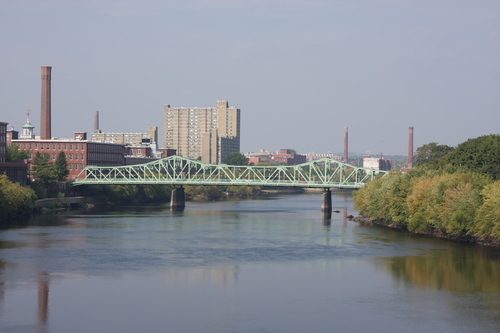
The physical character of Lowell is marked by brick mill complexes, restored canalways, and riverside industrial sites. Canals threaded through the city to carry water and power to factories; many of these waterways and adjacent mill buildings have been preserved and repurposed for museums, offices, housing, and cultural venues. Streets radiate from mill districts into residential areas that reflect successive periods of growth.
Culture and demographics
Lowell has long been a city of immigrants. In the 19th century large numbers of Irish arrived and established churches and community institutions; later arrivals included groups from southern and eastern Europe. In the late 20th century Lowell became home to a significant Cambodian American community, one of the largest in the United States, which has influenced local culture, food, festivals, and civic life. The city hosts a range of cultural events, museums, and performance venues that reflect its diverse population.
Economy, education, and contemporary importance
After the decline of traditional manufacturing in the mid-20th century, Lowell reinvented much of its economy. Historic mills were adapted for modern uses and the city invested in cultural tourism centered on its industrial heritage. Higher education plays a major role: university campuses and research programs contribute to the local economy and workforce development. Service industries, healthcare, small manufacturing, and technology firms are also part of the contemporary economic mix.
Notable sites and distinctions
- Lowell National Historical Park and related museums preserve the city's industrial legacy and interpret the canals and mills for visitors.
- Converted mill buildings now house cultural centers, galleries, business incubators, and residential lofts.
- The city is recognized for its large Cambodian American community and for annual cultural events that celebrate the varied heritages of its residents.
- Institutions of higher learning contribute to research, arts, and civic partnerships that shape Lowell's contemporary identity.
Lowell's story is one of transformation: from a 19th-century mill town that powered textile production to a 21st-century city that honors its industrial past while supporting diverse communities, educational institutions, and new economic activities. For further reading on municipal history and cultural programs, see local resources and historical organizations that document these developments.
Related articles
Author
AlegsaOnline.com Lowell, Massachusetts — Industrial Heritage and Contemporary Community Leandro Alegsa
URL: https://en.alegsaonline.com/art/59588