
Lower Burrell, Pennsylvania: Overview, Geography, History and Community
Lower Burrell is a small city in Westmoreland County, Pennsylvania, part of the Pittsburgh metropolitan area. This article summarizes its location, development, government, schools, economy and local features.
Lower Burrell is a city located in Westmoreland County, Pennsylvania, in the United States. According to the 2010 census data collected by the U.S. Census Bureau, the city had 11,761 residents (2010 census). It is one of the smaller municipalities in the greater Pittsburgh metropolitan area and functions primarily as a suburban and residential community with local commerce and services.
Image gallery
3 Images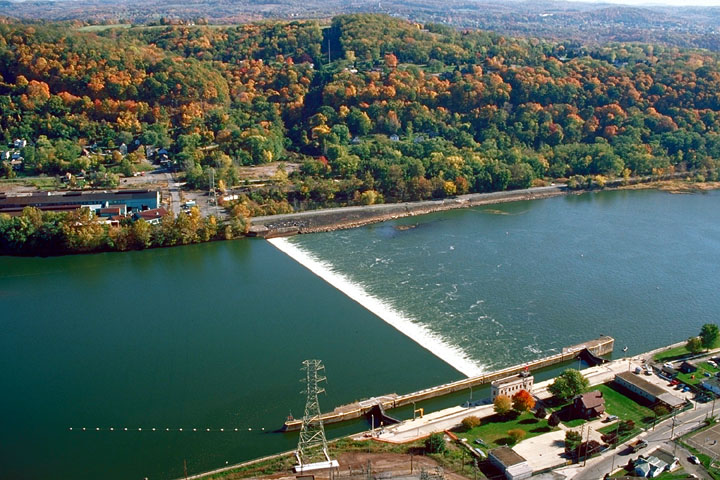

Geography and setting
Lower Burrell lies along the Allegheny River in western Pennsylvania, offering riverfront neighborhoods and hilltop residential sections. Its location provides relatively direct commuting routes to nearby cities in the Pittsburgh region, and the surrounding landscape reflects the broader Appalachian Plateau with mixed residential, wooded and formerly industrial parcels.
History and development
The area that became Lower Burrell was settled and shaped by the same waves of growth that affected western Pennsylvania: early rural settlement, followed by industrial expansion in the 19th and early 20th centuries. Over time the community transitioned from agricultural and small-scale industrial uses to a more suburban pattern, especially after mid-20th century transportation improvements that encouraged residential development for commuters.
Government, education and economy
Lower Burrell is governed by a municipal administration that includes elected officials and a council responsible for local services such as public works, police, and zoning. Public education is provided through the local school district that serves the city and nearby communities. The local economy is a mix of small businesses, retail, service industries and light manufacturing; many residents also commute to jobs elsewhere in the region.
Recreation, transport and community life
The city offers parks, river access and recreation areas used for walking, fishing and community gatherings. Local roadways and regional transit options connect residents with employment, shopping and cultural resources in the Pittsburgh area. Community events, volunteer civic groups and neighborhood organizations contribute to a small-city civic life.
Notable distinctions
- Lower Burrell is distinct from nearby municipal entities such as Upper Burrell and other Burrell-named jurisdictions; these are separate local governments with their own boundaries.
- The city represents a common western Pennsylvania pattern: a community shaped by industrial-era growth that later evolved into suburban residential neighborhoods.
Related articles
Author
AlegsaOnline.com Lower Burrell, Pennsylvania: Overview, Geography, History and Community Leandro Alegsa
URL: https://en.alegsaonline.com/art/59591
Sources
- factfinder2.census.gov : "American FactFinder"