
Louis the Pious: Carolingian Emperor and Reformer
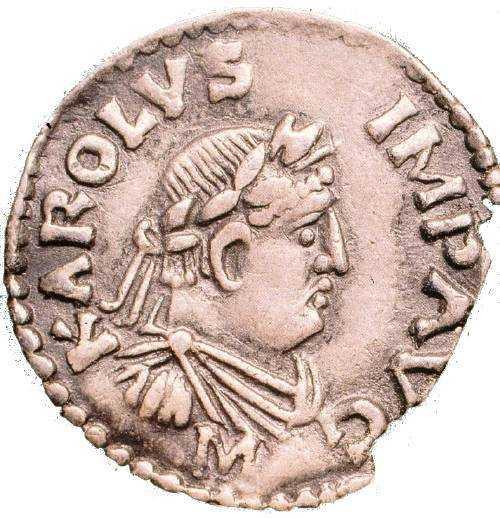
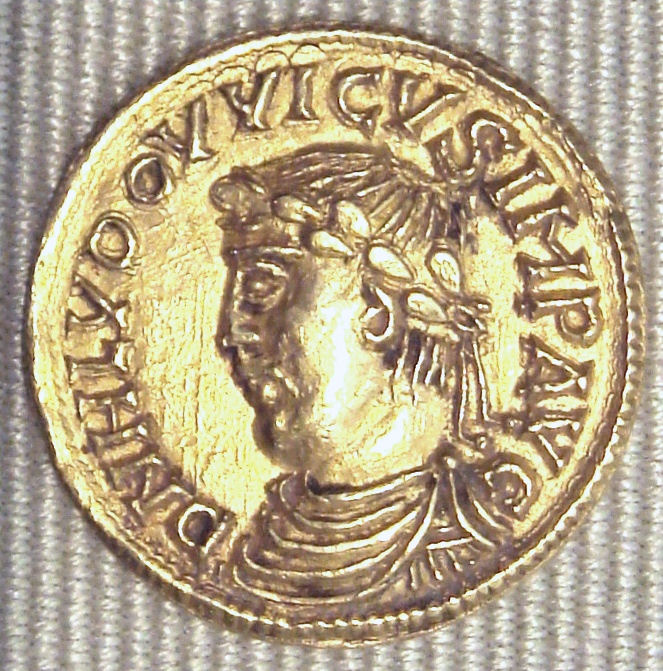
Louis the Pious (778–840), son of Charlemagne, King of Aquitaine and Emperor of the Carolingian realm. His piety, legal reforms and succession plans shaped the later fragmentation of the empire.
Overview
Louis the Pious (born 778, died 840) was the third ruler of the Carolingian dynasty to hold the imperial title after his father, Charlemagne. Known for his devout Christianity and moral reform agenda, he governed Aquitaine from youth and succeeded as emperor in 814. Historians remember him for efforts to regulate church life, to codify royal authority, and for the dynastic struggles that followed his reign. For further context see sources on Carolingian rule.
Image gallery
10 Images





Reign and policies
Louis sought to strengthen ecclesiastical discipline and royal administration through councils and capitularies that addressed clergy conduct, monastic observance, and the responsibilities of lay officials. In 817 he issued the Ordinatio Imperii, a plan intended to organize succession and secure imperial unity by naming his eldest son co-ruler while allotting territories to other heirs. His governance combined personal piety with legal measures aimed at stabilizing a multiethnic realm.
Family, succession and conflict
Louis married Ermengarde of Hesbaye and had three elder sons—Lothair, Pepin of Aquitaine, and Louis the German—then later married Judith of Bavaria, who bore Charles (the Bald). Attempts to revise succession to include his youngest son provoked noble unrest and open rebellions among his older sons. Periods of civil war in the 830s, including a dramatic deposition and later restoration, highlighted the limits of central authority and the competing interests of magnates and princes.
Notable events and characteristics
- Long association with monastic reform and clerical discipline.
- Ordinatio Imperii (817) as a formal attempt to order succession.
- Repeated dynastic conflicts that weakened imperial unity.
- Restoration after brief deposition, illustrating reliance on church and regional support.
Legacy
Louis's reign is judged ambivalently: he reinforced church institutions and sought legal order, yet his inability to reconcile competing claims among his sons hastened the fragmentation of Carolingian authority. After his death the empire he tried to hold together was divided by his successors, an outcome that shaped medieval European political boundaries. For further reading on the period and its documents, consult academic overviews.
Related articles
Author
AlegsaOnline.com Louis the Pious: Carolingian Emperor and Reformer Leandro Alegsa
URL: https://en.alegsaonline.com/art/59445