
Louis Jolliet: French-Canadian Explorer of the Mississippi (1645–c.1700)
Louis Jolliet (1645–c.1700) was a French-Canadian explorer and cartographer who, with Jacques Marquette, made the first non‑Native reconnaissance and mapping of the upper Mississippi River in 1673.
Overview
Louis Jolliet was a French-Canadian explorer, fur trader and mapmaker born on September 21, 1645. He is best known for the 1673 expedition that produced the first extensive European survey of the upper Mississippi River. Jolliet's work combined practical knowledge of inland waterways with skills in mapping and negotiation with Indigenous peoples. In historical accounts he is often identified as a prominent figure in early colonial exploration of French‑Canadian society.
Image gallery
4 Images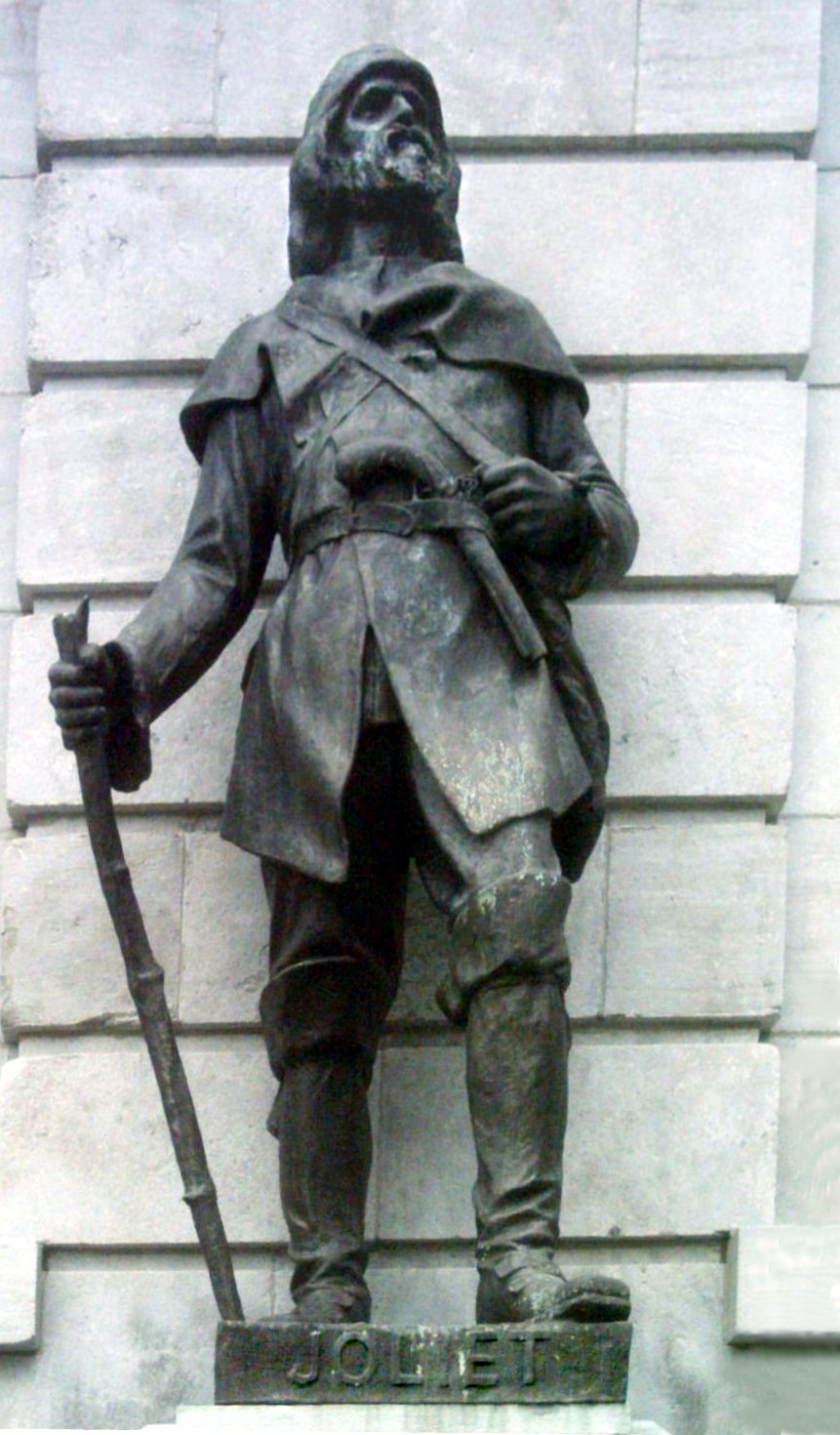

The 1673 Expedition with Jacques Marquette
In spring 1673 Jolliet partnered with Jesuit missionary Jacques Marquette to explore the interior of what Europeans called North America. Their goal was to find a water route to the Gulf of Mexico and to chart the course of the Mississippi. Jolliet provided navigation and mapping expertise while Marquette focused on mission contacts and Indigenous languages. Marquette is frequently mentioned in accounts as a Jacques Marquette, the Jesuit missionary who accompanied him.
Route and Discoveries
The two canoed from the Great Lakes region, traveled down the Wisconsin River, and carried their canoes across a short portage into Lake Michigan—an approach that later highlighted the importance of the Chicago waterway link. From there they reached the upper stretches of the Mississippi River, charting its course and recording Indigenous place names and settlements. They continued downriver until they reached a point near the mouth of the Arkansas River and turned back because of concerns about encountering Spanish forces and the changing character of the river.
Legacy and Significance
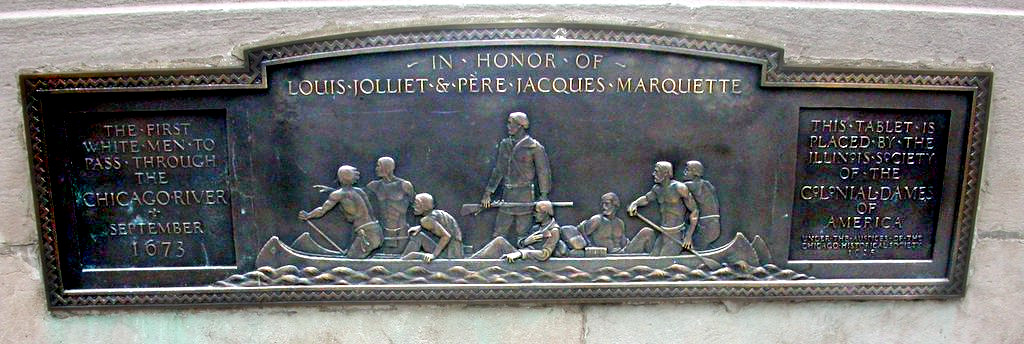
Jolliet's maps and accounts provided Europeans with some of the first reliable geographic information about the Mississippi watershed. His expedition helped confirm that the river drained into the Gulf and established routes that supported the fur trade, missionary activity, and later French territorial claims. The expedition's passage through the area of the Chicago River underscored the strategic importance of the portage between the Great Lakes and the Mississippi basin.
Later Life and Notable Facts
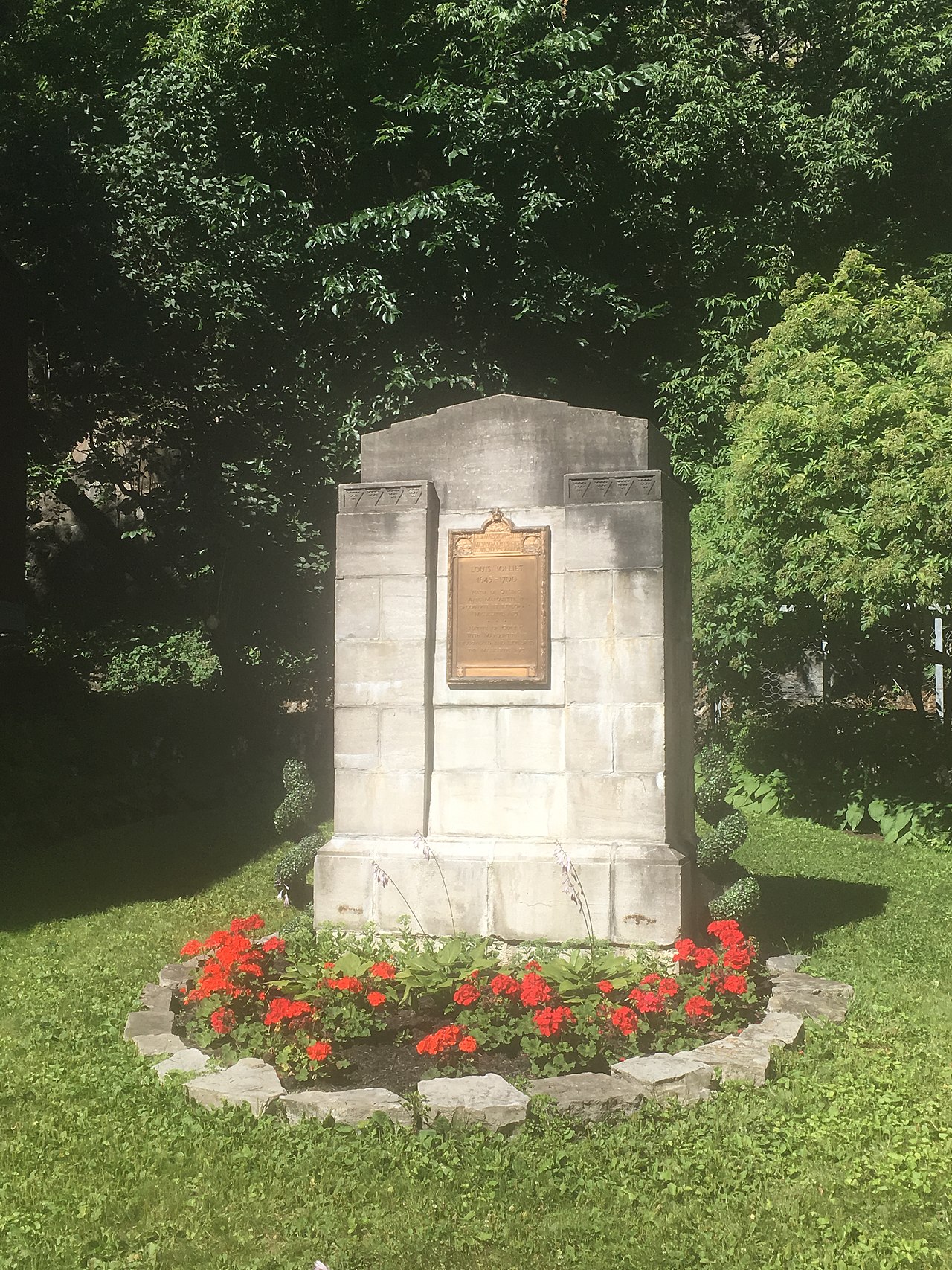
After the 1673 journey Jolliet continued to be involved in exploration, trade and public service in New France. He remained a respected figure in colonial affairs. Records indicate he was last seen in May 1700; the exact circumstances of his death are unclear. His name endures in place names and historical studies related to the exploration of the interior of what became the United States, including references to early travel near present‑day Chicago.
Quick Facts
- Born: September 21, 1645
- Famous voyage: 1673 expedition with Marquette
- Contributions: mapping, trade routes, early Franco‑Indigenous contacts
Related articles
Author
AlegsaOnline.com Louis Jolliet: French-Canadian Explorer of the Mississippi (1645–c.1700) Leandro Alegsa
URL: https://en.alegsaonline.com/art/59433
Sources
- books.google.com : Jacques Marquette and Louis Jolliet: Explorers of the Mississippi