
Los Angeles International Airport (LAX)
Comprehensive encyclopedia entry on Los Angeles International Airport (LAX): location, history, terminals, airlines, transport, operations, environmental measures and traveler guidance.
Overview
Los Angeles International Airport, commonly referred to by its IATA code LAX, is the primary airport serving the Greater Los Angeles area in southern California, United States. The facility's ICAO designation is KLAX. LAX is located in the Westchester neighborhood of Los Angeles, about 16 miles (26 km) from the downtown core, and serves as a major gateway for transpacific and transcontinental air travel to and from North America, Latin America, Europe, Asia, Oceania and the Middle East.
Image gallery
10 Images



History and development
The site began as Mines Field in the late 1920s and gradually evolved into one of the busiest airports in the United States. Growth through the mid-20th century accommodated the jet age and expanding international travel. Over successive decades, LAX expanded runways, added terminals and developed a dedicated international terminal complex. Modernization projects have focused on improving passenger flow, security processing and airside operations while preserving key landmarks such as the Theme Building.
Terminals, layout and facilities
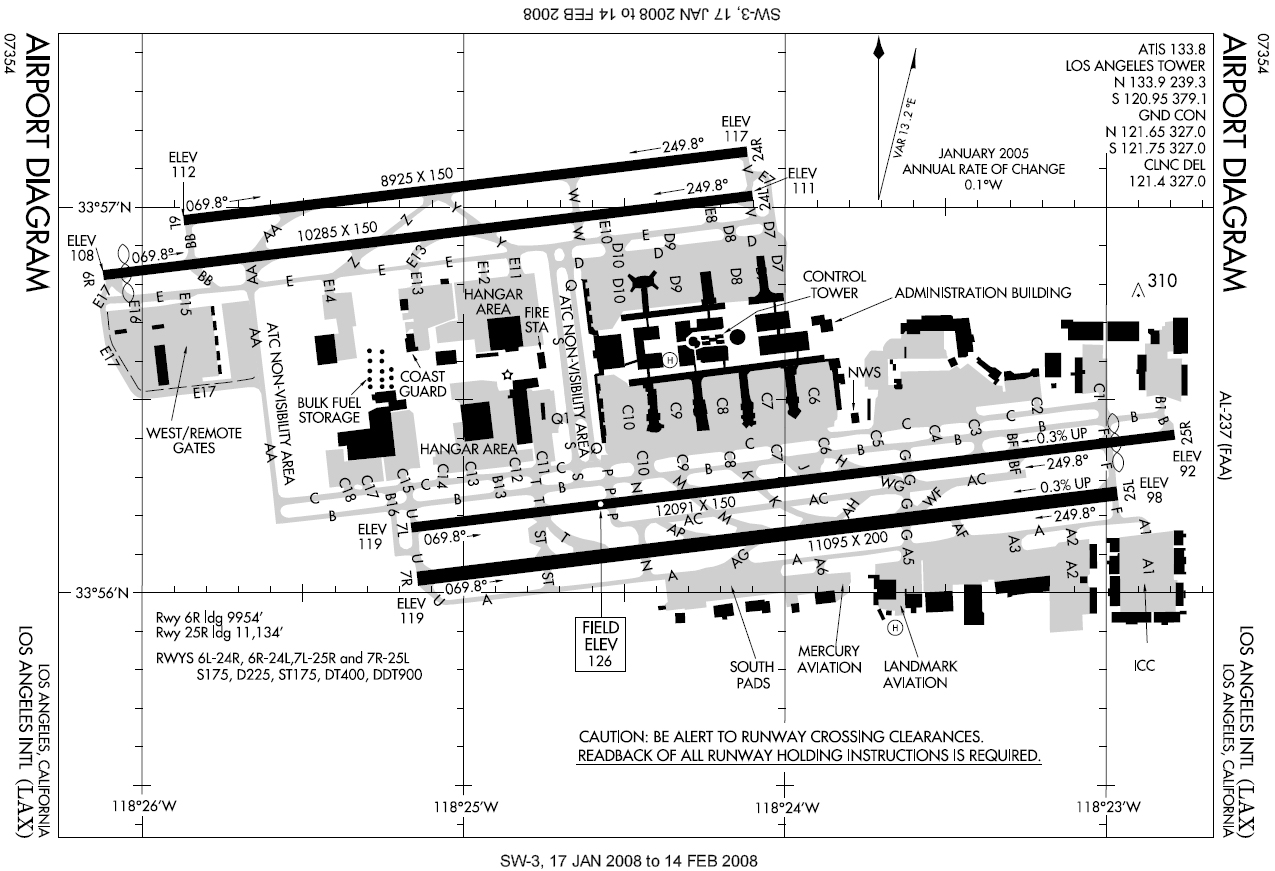
LAX is organized around multiple terminals arranged in a horseshoe and connector roadway system. Passenger facilities include domestic concourses and a major consolidated international complex. The airport offers a wide range of amenities — lounges, retail and dining, ground transportation hubs, consolidated rental car services and cargo and maintenance areas. Inter-terminal shuttles and roadways connect arrivals and departures; passenger guidance is available from official airport pages and selected airline sites such as American Airlines and United Airlines.
Airlines, hubs and destinations
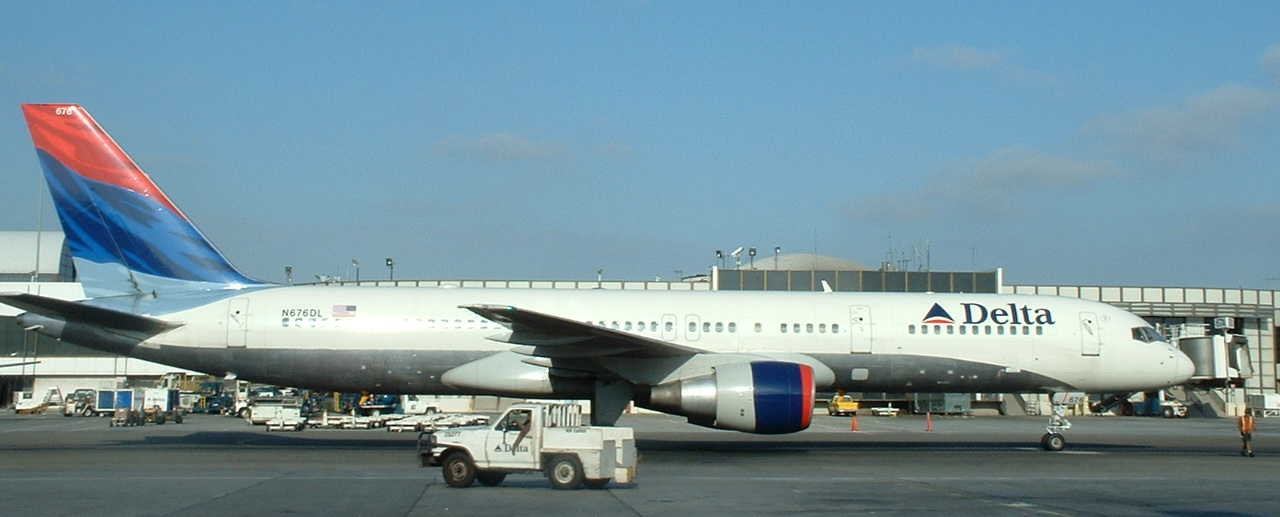
LAX supports a diverse mix of full-service carriers and low-cost airlines. It acts as a hub or focus city for several carriers and a key transpacific gateway. Examples of carriers serving LAX include Alaska Airlines, Delta Air Lines, Southwest Airlines, American Airlines and United Airlines. Routes from LAX connect to a broad set of domestic destinations and long-haul international markets across multiple continents.
Operations, capacity and environment
As an airport embedded in a dense urban region, LAX manages high traffic volumes, noise abatement requirements and air quality concerns. Authorities and airport operators implement operational measures such as noise mitigation procedures, flight path management, emissions reduction programs and infrastructure improvements designed to increase capacity while limiting local impacts. Phased redevelopment projects address terminal capacity, ground access and resilience to changing travel demand.
Ground transportation and access
Access to LAX is available by private vehicle, taxis and ride-hailing services, as well as shuttle buses, scheduled transit connections and regional rail links under development. The airport provides short-term and long-term parking, curbside drop-off points and consolidated rental car facilities. Travelers can consult municipal and transit resources for best routes to terminals; see official resources such as the City of Los Angeles transportation pages and national guidance at relevant United States agencies.
Traveler information and tips
- Check terminal and gate assignments with your airline before arrival and allow extra time for security screening at peak periods. Relevant airline portals include American Airlines, United Airlines and others.
- Major renovation programs have modernized international facilities and streamlined inter-terminal transfers; use official airport advisories for up-to-date construction notices.
- Noise abatement and local rules can affect preferred flight times and routing; community programs and airport offices publish guidance on these measures (airport info).
- Transportation options and regional connections continue to evolve; planned transit projects and shuttle services may change access patterns over time.
Planning and official resources
For authoritative information and current advisories consult airport and airline resources directly. Official sources and partner sites include the airport's main pages, municipal transportation portals and airline customer pages such as those for Delta Air Lines, Southwest Airlines and Alaska Airlines. Additional informational links for travelers and researchers can be found through the airport's consolidated resource lists and regional transport authorities (LAX general, operational codes, regional routes, Latin connections, Europe services, Asia services, Oceania services, Middle East routes, carrier focus info).
Readers seeking the latest statistics, terminal maps and passenger advisories should refer to official airport announcements and airline communications. For practical traveler planning, check flight status, terminal assignments and ground-transport options shortly before departure to account for construction, schedule changes and seasonal demand.
Related articles
Author
AlegsaOnline.com Los Angeles International Airport (LAX) Leandro Alegsa
URL: https://en.alegsaonline.com/art/59298
Sources
- gcr1.com : FAA Airport Master Record for LAX
- gcr1.com : Form 5010
- airports.org : ACI passenger statistics for 2007
- afcoinc.com : "Aviation Facilities Company, Inc. :: Properties :: LAX"
- commons.wikimedia.org : Los Angeles International Airport
- wikidata.org : wikidata.org/wiki/Q8731
- id.loc.gov : n83046921
- idref.fr : 174611293
- viaf.org : 127877495
- worldcat.org : lccn-n83046921