
L'Orfeo — Monteverdi's early operatic setting of the Orpheus myth
L'Orfeo, by Claudio Monteverdi with a libretto by Alessandro Striggio, premiered in Mantua in 1607. A landmark early opera, it bridges Renaissance polyphony and emerging Baroque dramatic and orchestral practice.
Overview
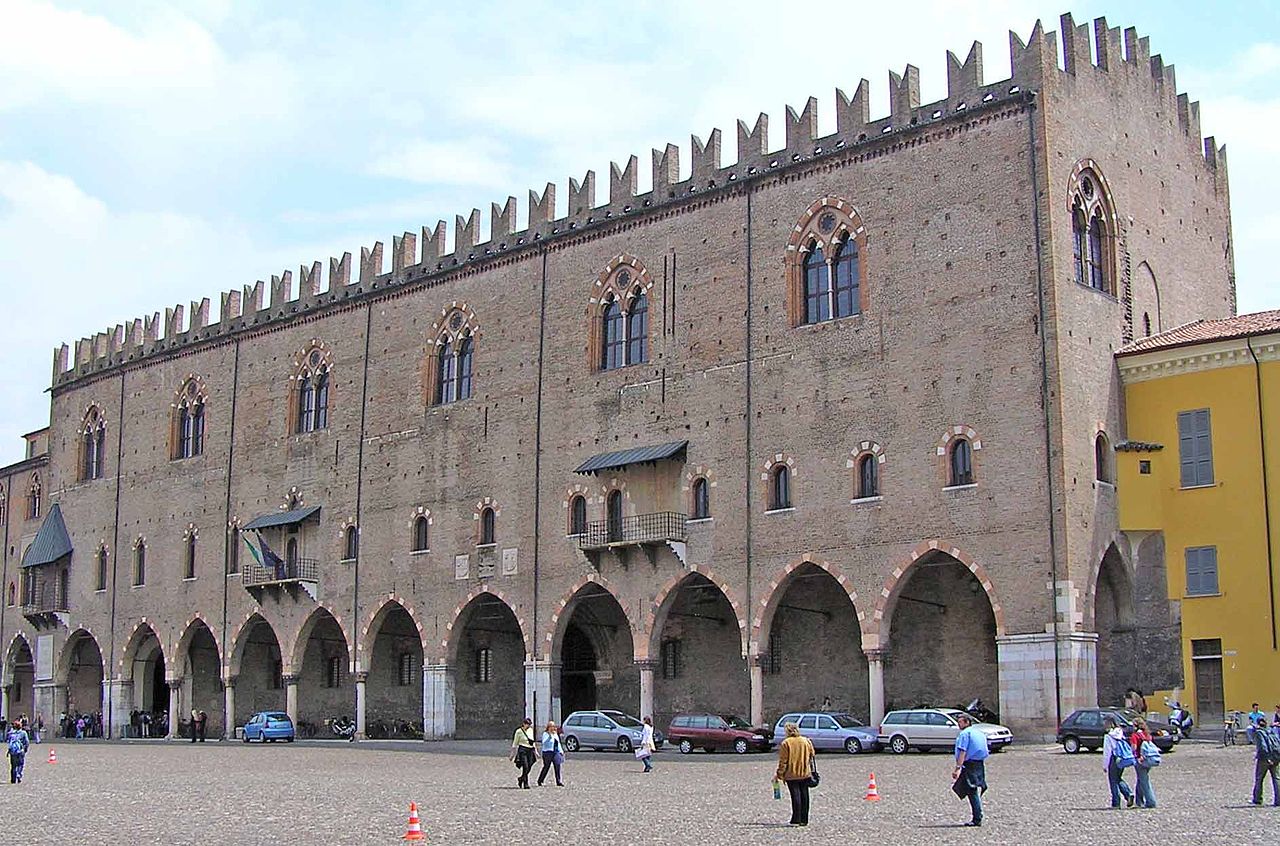
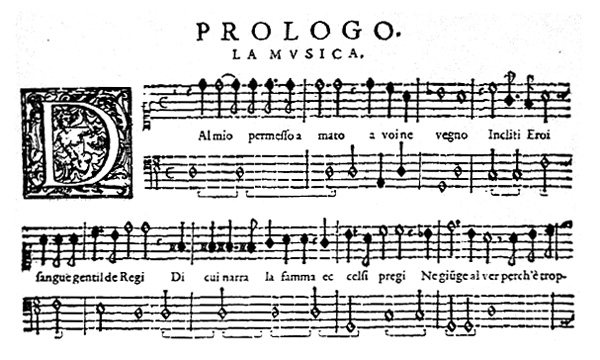
L'Orfeo is an early dramatic musical work by Claudio Monteverdi with a libretto attributed to Alessandro Striggio. It sets the classical tale of Orpheus—his love for Eurydice, her death, his descent into Hades and the attempt to bring her back. Monteverdi's surviving score is usually presented with a prologue and five acts, and the work was first performed at the court in Mantua in February 1607.
Image gallery
10 Images







Historical context
L'Orfeo occupies a pivotal position between the late Renaissance and the early Baroque. Monteverdi draws on modal, polyphonic practice but embraces newer priorities of dramatic expression, harmonic thinking and varied instrumental color. The opera shows how music could serve narrative and emotion in ways that helped establish conventions of the new genre.
Structure and drama
The drama follows Orpheus from the joy of marriage through loss and the perilous journey to the underworld. Central episodes include his lament, the negotiation with the rulers of the underworld, and the conditional rescue in which Orpheus must not look back. Different productions emphasize either the tragic element or the idea of music's transcendent power; some editions and stagings adapt the score's ordering and forces for modern performance.
Music and scoring
Monteverdi mixes recitative-like declamation with lyrical songs, instrumental ritornelli and small ensembles. The work uses a continuo group beneath the voices and specifies varied instrumental colors: strings alongside cornetts and sackbuts (early trombones), recorders and a range of continuo instruments such as theorbo and organ. These choices give dramatic shading, suggest character, and underline the expressive text-setting.
Performance history and influence
After its 17th-century performances at court, L'Orfeo survived in manuscripts and prints and was revived from the 19th century onward, gaining new attention in the 20th century as scholars and performers pursued historically informed practice. It is widely regarded as one of the earliest operas still regularly performed and recorded, and it has been influential as a model for combining vocal writing, instrumental color and dramatic pacing.
Legacy and study
Musicologists and performers study L'Orfeo for its pioneering use of recitative, its expressive treatment of text and its detailed indications for instrumental groupings. Editions, critical studies and recordings continue to explore how Monteverdi balanced rhetorical text-setting with orchestral illustration. For introductory and specialized resources consult editions, scholarly articles and reliable guides to early opera and Monteverdi's oeuvre.
- Genre: early opera, dramatic musical theatre.
- Composer: Claudio Monteverdi.
- Librettist: Alessandro Striggio.
- Mythical sources: Orpheus and descent to Hades.
For further reading and authoritative editions, consult specialist catalogues and critical commentaries associated with early opera and Monteverdi studies. See also general treatments of the transition from the Renaissance to the Baroque and broader surveys of the development of opera.
Related articles
Author
AlegsaOnline.com L'Orfeo — Monteverdi's early operatic setting of the Orpheus myth Leandro Alegsa
URL: https://en.alegsaonline.com/art/59250