
Lostprophets — Welsh rock band: history, music, controversy and legacy
Overview of Lostprophets: formation in Pontypridd, five studio albums, chart success and awards, the 2013 criminal convictions of the singer, and the band's aftermath and legacy.
Overview
Lostprophets were a rock band formed in the late 1990s in Pontypridd, Wales. Over more than a decade they released five studio albums, had several singles that reached the UK charts and won multiple awards from rock-focused media. The group blended alternative rock, post-hardcore and melodic, anthem-oriented songwriting, and achieved commercial success in the mid-2000s before their career ended amid criminal proceedings involving the band's lead singer.
Image gallery
5 Images


Formation and early years
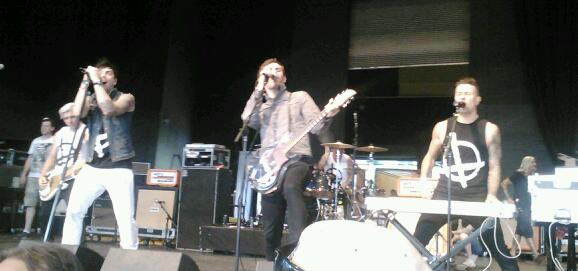
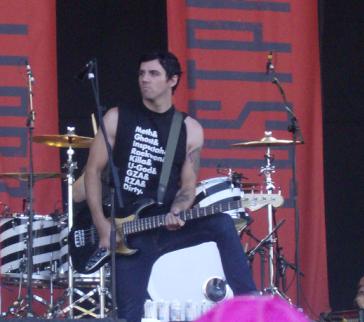
The band coalesced in the late 1990s from a local scene in South Wales. Their first recordings were independent releases and an early EP that helped build a regional following. These early efforts led to deals with independent labels and, later, distribution through larger companies such as Sony BMG for broader release and promotion. Personnel changed in minor ways over the years but the group became known for energetic live shows and a focus on melodic hooks set against heavy guitar work.
Albums, singles and commercial performance
Lostprophets issued five studio albums across their career. Their full-length debut followed independent releases and established a fanbase. Subsequent records brought wider exposure. Highlights include:
- Thefakesoundofprogress (debut full-length, 2000) — an early statement that combined rawer production with the band’s developing songwriting.
- Start Something (2004) — produced several singles, including the radio-oriented tracks that became the band’s best-known songs; singles from this period received substantial airplay and helped them reach new audiences.
- Liberation Transmission (2006) — the band’s most commercially prominent release at the time, achieving high chart placings in the UK and drawing international interest, including in markets such as South Korea.
- The Betrayed (2010) and Weapons (2012) — later albums that sustained the band’s presence on the UK Albums Chart and showed continued development in production and songwriting.
Musical style and influences
Musically, Lostprophets mixed heavy guitar textures and driving rhythms with melodic choruses and layered production. The band drew on contemporary alternative and post-hardcore trends while incorporating pop-friendly structures that made several of their singles suitable for mainstream radio. Critics and fans noted the band’s ability to write anthemic, singable choruses alongside more aggressive passages.
Reception and recognition
During their active years the group received attention from rock media and won awards within the genre, including multiple Kerrang! Awards. Reviewers' responses varied by release: some albums drew strong critical praise in rock publications, while later work received mixed reviews. The band also contributed a cover of “Boys Don’t Cry” for a tribute compilation to The Cure, distributed as part of a music publication’s promotional material.
Legal case, breakup and immediate consequences
In late 2012 the band’s lead singer was charged with serious sexual offences. The subsequent trial and conviction in 2013 had immediate and widespread consequences for the band’s commercial standing and public reputation. Retailers and broadcasters reacted by withdrawing or limiting distribution and airplay of Lostprophets’ recordings; for example, some retailers stopped stocking their albums and the BBC altered its policies on broadcasting the group’s music. The band announced its breakup in October 2013 following the developments in the criminal case. Reporting on the trial and sentencing provides the factual record of the legal outcomes and dates.
Aftermath and later projects
After the breakup, the remaining members sought to continue making music independently of their former name. In 2014 several former members formed a new group and began recording with an American vocalist, attempting to move on from the legacy of the previous band. The criminal convictions of the singer remain central to public discussion of the group and have affected how their catalogue is handled by industry and media outlets.
Impact and legacy
Lostprophets’ musical legacy is complicated: they achieved mainstream success, influenced a segment of British alternative rock in the 2000s and collected a dedicated fanbase, yet the criminal actions of a single member led to the removal of their work from some public platforms and a reevaluation of how the industry responds when artists are implicated in serious crimes. The case is often cited in discussions about separating art from artist and in debates over commercial and institutional responses to criminal conduct.
Discography (studio albums)
- Thefakesoundofprogress (2000)
- Start Something (2004)
- Liberation Transmission (2006)
- The Betrayed (2010)
- Weapons (2012)
Further reading and sources
For label and release information see contemporaneous coverage of the band’s deals with independent and major distributors such as Sony BMG. Background on the band’s origins and hometown is available through local music histories of Pontypridd and Welsh rock scenes. Chart performance and press responses to albums such as Start Something and Liberation Transmission are recorded in music industry archives and reviews that noted success in territories including South Korea. The criminal charges and court outcomes were reported widely at the time; for primary reports consult major news coverage of the legal case and sentencing. The band’s appearance on a tribute project to The Cure and other media tie-ins were distributed through music press channels. Changes in retail and broadcast practice following the conviction were reported in trade and news outlets, including actions by chains and broadcasters such as the BBC. For a general band overview and discography see music reference entries and archived interviews with the members.
Related articles
Author
AlegsaOnline.com Lostprophets — Welsh rock band: history, music, controversy and legacy Leandro Alegsa
URL: https://en.alegsaonline.com/art/59345
Sources
- allmusic.com : "Allmusic"
- bbc.co.uk : bbc.co.uk
- facebook.com : "Log In or Sign Up to View"
- express.co.uk : "Lostprophets star Ian Watkins admits trying to rape two babies"
- news.sky.com : news.sky.com/story/1184152/ian-watkins-gets-35-years-for-sex-offences
- nme.com : "HMV removes all Lostprophets albums from sale following Ian Watkins trial"
- 3news.co.nz : 3news.co.nz/BBC-bans-Lostprophets/tabid/418/articleID/327859/Default.aspx