
London Calling (The Clash album)
A landmark double album by The Clash blending punk with reggae, ska, rockabilly and more; noted for its musical range, social themes and enduring critical acclaim.
London Calling is the third studio release by the English band The Clash and is widely regarded as a turning point in their career. Issued in Britain in 1979 and in the United States shortly afterward, the record expanded the group's palette beyond first-wave punk into a wide array of popular styles. The album's title track and several singles helped the group reach a broader audience while retaining a sharp political and cultural edge. Album overview
Image gallery
4 Images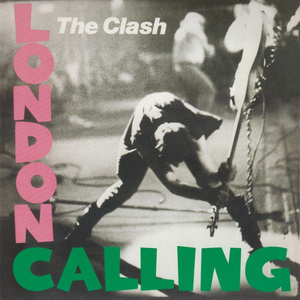


Musical characteristics
The record is notable for its genre diversity: it mixes punk energy with reggae rhythms, ska bounce, rockabilly twang, elements of jazz and soul, and experiments in funk and pop. This diversity was presented across an extended track list and contrasted aggressive rockers with reflective, melodic songs. The production emphasized live performance and rawness while allowing room for instrumentation and stylistic shifts. The Clash punk roots
Recording and historical context
Recorded after the band's initial success, the sessions reflected both musical curiosity and a response to late-1970s social tensions in Britain. The group worked with producers and collaborators to capture a broader sonic range, sometimes using unfamiliar instruments or arrangements. The cover image and campaign around the release reinforced themes of unrest and upheaval, and the album arrived at a moment when punk was evolving into many different forms. band history release dates
Themes and notable songs
Lyrically the album moves between personal stories, political observations and urban portraits. Several tracks directly address class, migration, authority and youth culture, while others explore relationships and travel. Well-known songs from the record include the title track, a driving social commentary, and several other pieces that received radio play and became concert staples. ska influence funk and rhythm
- Title track — anthem-like and urgent.
- Rhythmic songs — reggae and ska inflections.
- Ballads and experiments — softer textures and horns.
- Rockabilly and punk hybrids — short, sharp numbers.
- Standout singles — tracks that broadened the band's audience.
Critically, the album is frequently cited among the best rock records of its era and has influenced many artists who followed. Its mixture of activism, storytelling and genre-crossing arrangements demonstrated how a rock band rooted in punk could address diverse musical traditions without abandoning edge or urgency. Contemporary reissues and retrospectives continue to revisit its sessions and cultural impact, and it remains a common point of reference in discussions of late 20th-century popular music.
For listeners approaching the record today, the appeal lies both in the immediacy of its performances and in the variety of styles deployed. It stands as an example of a band stretching boundaries while engaging with the social landscape of its time. Further reading and archival materials can be found via the band's official pages and dedicated music histories. More on the album band resources
Related articles
Author
AlegsaOnline.com London Calling (The Clash album) Leandro Alegsa
URL: https://en.alegsaonline.com/art/59017
Sources
- allmusic.com : "Rudie Can't Fail Review"