
Ska: Origins, musical features, and cultural influence
Ska is an upbeat Jamaican musical genre known for its offbeat rhythm, horn sections and influence on reggae, punk and hip-hop; it has seen multiple revivals from the 1950s to the present.
Overview
Ska is a lively musical genre that developed in Jamaica in the late 1950s. It combines elements of Caribbean mento and calypso with American rhythm and blues and jazz. Ska typically features an energetic tempo and a rhythmic pattern in which chords and accents fall on the offbeat, a technique sometimes called the offbeat or "skank". Early ska provided a direct musical pathway to slower styles that followed in Jamaica, most notably rocksteady and later reggae.
Image gallery
9 Images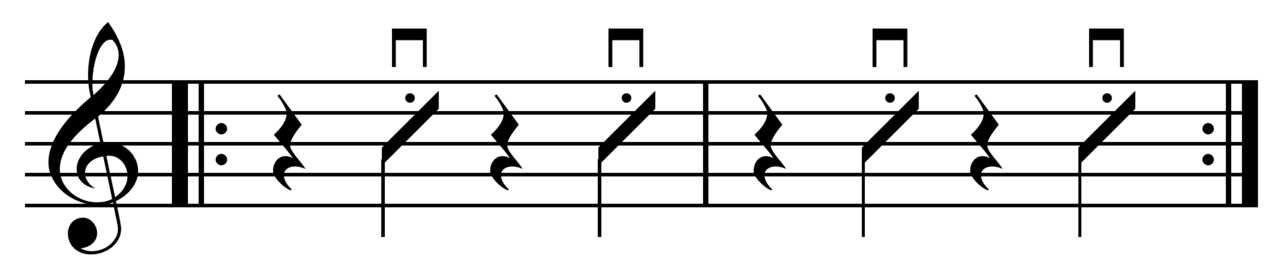




Musical characteristics and instruments
The defining rhythmic idea of ska is the emphasis on the upstroke: when counting "one and two and", the guitarist or pianist often accentuates the "and". This gives ska its buoyant forward motion. Bass lines are generally melodic and driving, often walking or syncopated, while drums hold a steady beat with snare and rimshot patterns. Horns add punchy stabs, harmonized lines or solos, creating a bright, brassy texture.
- Typical instruments: electric guitar, electric bass, piano, organ, and horn sections such as saxophone, trumpet and trombone.
- Vocal styles range from melodic singing to rhythmic spoken delivery (toasting), the latter of which predates and influenced contemporary rap.
History and development
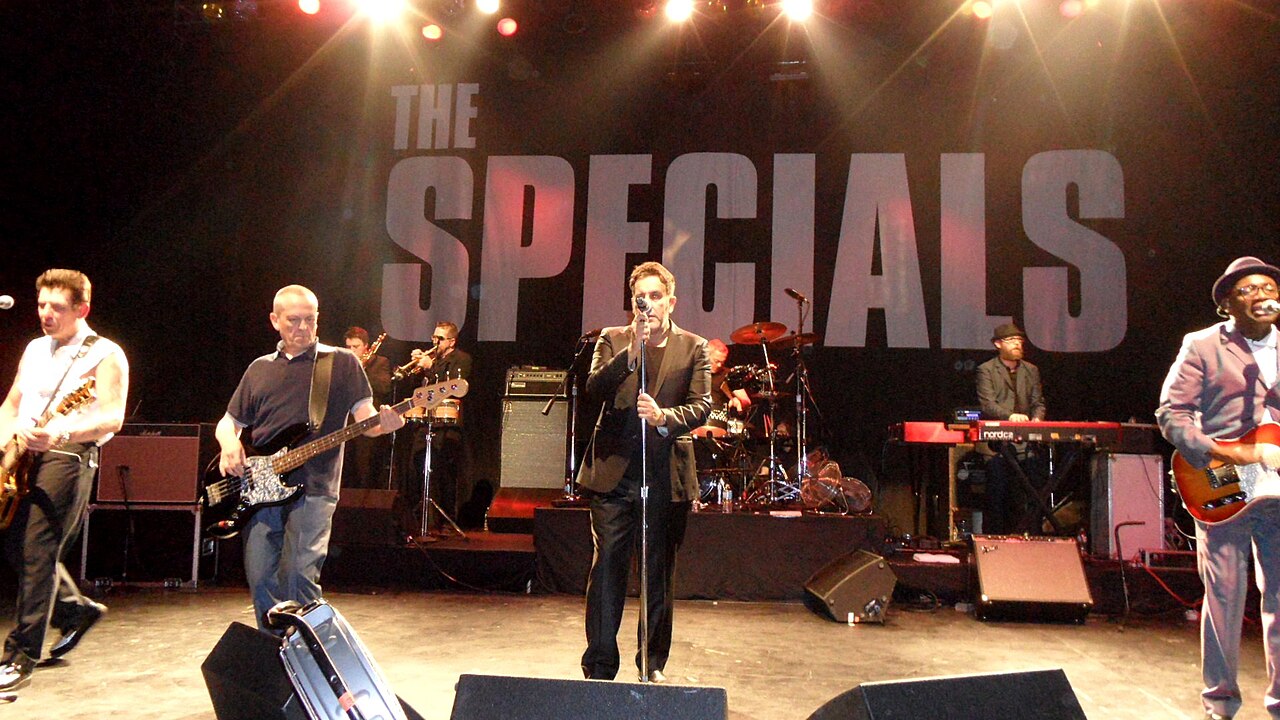
Ska emerged in urban Jamaican communities where sound systems and record producers mixed imported R&B with local rhythms. By the mid-1960s the tempo relaxed and many musicians moved toward rocksteady and then reggae, but ska did not disappear. It returned in waves: a prominent British revival in the late 1970s fused ska with punk and new wave aesthetics, and a later third-wave ska movement in the 1980s and 1990s spread through North America and Europe. Each wave kept core rhythmic traits while adapting instrumentation, lyrical themes and production techniques to contemporary tastes.
Cultural significance and influence
Ska has been important both musically and socially. In Jamaica its early popularity reflected postwar urban life and the island’s musical creativity. Abroad, ska revivals often intersected with youth subcultures and political commentary—especially in the UK, where bands used ska’s direct, danceable energy to address social issues. Ska’s rhythmic approach and toasting tradition also helped shape later genres: reggae grew directly from ska-derived forms, and the vocal improvisation of toasting influenced the development of hip-hop and rap.
Variations, examples and notable traits
Across its history ska has been idiomatically flexible. Early Jamaican recordings emphasize horns and brisk tempos; 2 Tone-era versions combined ska with punk speed and monochrome aesthetics; third-wave groups blended ska with rock, hardcore or pop. Characteristic features to listen for include the offbeat guitar or keyboard chop, a prominent and often melodic bass, and horn punches that answer vocal lines. As a musical language, ska is both dance music and a platform for community expression.
Further reading and resources
For listeners who want to explore ska more deeply, consider resources that outline its Jamaican origins, rhythmic terms and later revivals. Read about the genre’s roots and stylistic shifts via broader music histories and recordings from each key era to hear how the same offbeat idea has been reinterpreted over decades. See also discussions of how ska related genres evolved and connected to wider cultural movements, including the influence on tempo choices in sequenced Jamaican styles and the crossover into rap traditions. Additional reference entries and curated playlists can provide examples from the original Jamaican scene to the UK 2 Tone and later international waves; for more on the social context of the music, explore accounts of postwar Jamaican popular culture and sound-system practice via specialized sources.
Related topics and quick links: genre overview, Jamaican music, rhythm and offbeat technique, instrument roles (guitar, bass, piano, organ, horns: sax, trumpet, trombone) and cross-genre links to reggae and rap.
Questions and answers
Q: What is Ska music?
A: Ska is a popular music from Jamaica that began in the 1950s.
Q: How did Ska music evolve into Reggae?
A: Ska music that was first played at a slower tempo then became reggae in the late 1960s.
Q: What instruments are typically used in Ska music?
A: Ska music bands include singers, electric guitars, electric bass guitar, piano, organ, saxophone, trumpet, and trombone.
Q: What is the off-beat in Ska music?
A: In ska, the electric guitar and piano normally play short chords on the off-beat. If you go "one and two and three and four", the off-beat is the "and".
Q: What is "toasting" in Ska music?
A: A ska singer does a style of Jamaican singing called "toasting." When a singer is "toasting", they make sounds, repeat words, invent rhymes, and shout into the microphone.
Q: When was the Jamaican "toasting" style of singing and talking adapted into rap music?
A: The Jamaican "toasting" style of singing and talking was adapted into rap music in the 1980s.
Q: What role does the electric guitar play in Ska music?
A: In ska music, the electric guitar plays short chords on the off-beat.
Related articles
Author
AlegsaOnline.com Ska: Origins, musical features, and cultural influence Leandro Alegsa
URL: https://en.alegsaonline.com/art/90857
Sources
- eastvalleytribune.com : "The California Celts bring kilt-clad musical experience to Chandler"