
Lollapalooza: the multi-genre music festival founded by Perry Farrell
Lollapalooza is a long-running multi-genre music festival created by Perry Farrell in 1991. From a touring farewell show it became a major annual Chicago event and an international brand.
Lollapalooza began in 1991 as an ambitious touring farewell for Jane's Addiction and its frontman Perry Farrell. Over the decades it has evolved from a nomadic procession of bands into a large-scale, multi-day urban festival known for mixing genres, combining established headliners with emerging acts, and including visual art and cultural vendors. The name has come to stand for a showcase of contemporary alternative music and youth culture: Lollapalooza remains one of the most recognizable festival names in popular music.
Image gallery
6 Images

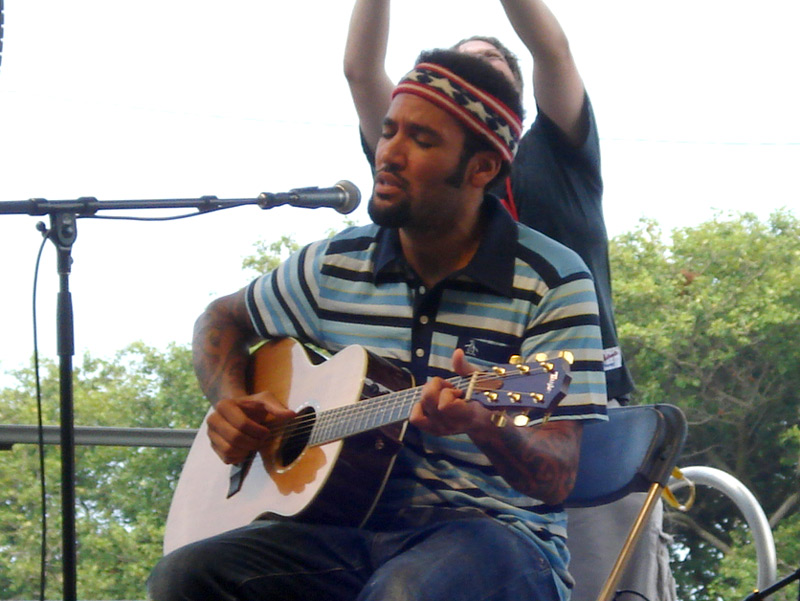


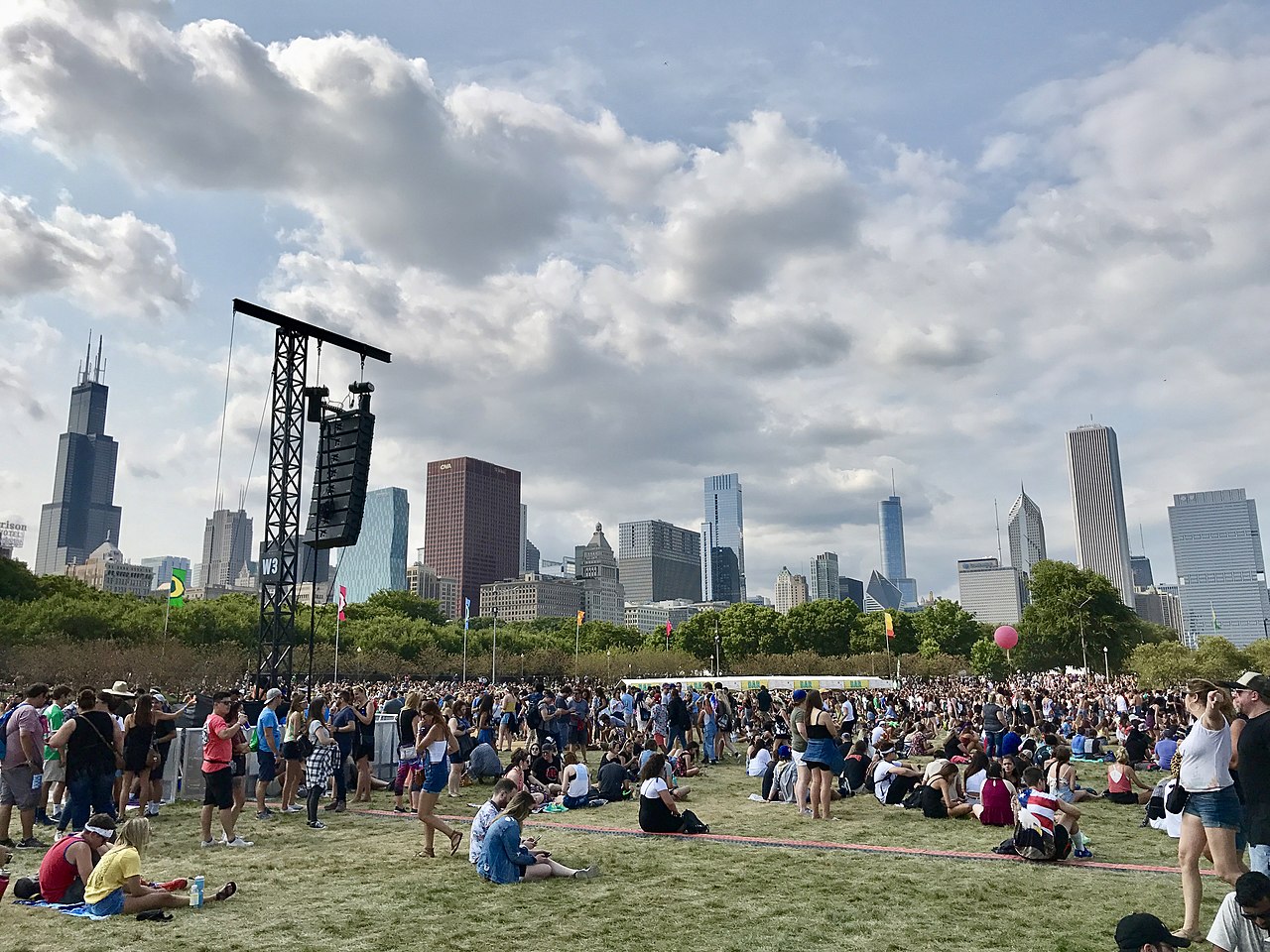
Characteristics and format
- Multiple stages presenting a wide range of styles: rock, punk, hip hop, electronic, pop and experimental music.
- Short to long set times that pair superstar headliners with up-and-coming artists on smaller stages.
- Ancillary attractions such as visual-art installations, food vendors, branded experiences, and nonprofit or activist booths.
- An urban setting rather than a remote campsite, emphasizing day-long programming and easy access for city audiences.
- Ticketing tiers that include single-day and multi-day passes, plus VIP packages and sponsor activations.
The festival's programming strategy blends nostalgia and discovery: veteran bands play headline slots while newer performers get exposure on secondary stages. Production values and site logistics—sound, security, and crowd flow—are organized to support tens of thousands of daily attendees.
History and development
Created by Perry Farrell as a farewell vehicle for his group Jane's Addiction, Lollapalooza toured the United States through much of the 1990s. After a hiatus following the 1997 edition, the brand was periodically revived and reimagined. The modern incarnation settled into an annual destination format: after experimental relaunches in the early 2000s, it returned as a regular multi-day event in Chicago's Grant Park and became a staple of late-summer festival calendars. There was no festival in 2004, and like many large events it experienced interruptions in extraordinary circumstances such as public-health emergencies in the 2020s.
Beyond its American core, the Lollapalooza name expanded into international editions and one-off events, bringing the format to audiences in South America and Europe and adapting to local markets and lineups. These expansions reinforced the festival's identity as both a cultural export and a flexible live-music model: international editions often replicate the main site's mix of music, art, and activations while reflecting regional tastes.
Importance and notable distinctions
Lollapalooza helped popularize alternative music within mainstream festival culture and influenced how multi-genre events are programmed. Unlike many rural festivals that emphasize camping and isolation, Lollapalooza's urban placement—notably its long-term home in Grant Park—offers a city-oriented festival experience with day-by-day attendance rather than on-site lodging. The festival also maintains a visible relationship with activist organizations and cultural partners, a feature that traces back to its early incarnations.
For more general information and event details, see the festival's main resources and coverage: official pages and guides, archived reporting on its founding and touring years, and retrospectives that trace its influence on live music production. Additional background on its origins and early concerts can be explored through profiles that document Perry Farrell's role in creating this lasting cultural phenomenon: founding accounts and organizational histories put the festival's trajectory in context.
Today, Lollapalooza stands as an example of how a festival brand can shift from touring roots to a fixed urban spectacle and then to an international franchise, continuing to evolve with changing musical trends and audience expectations: its origin, ongoing programming choices, and festival logistics all contribute to that evolution.
Event listings, artist lineups and ticketing information are typically published annually and updated across promotional channels: for direct notices and schedules consult the festival's announcements and authorized coverage platforms: city and venue updates, official festival communications, and media reports archived by cultural outlets.
Related articles
Author
AlegsaOnline.com Lollapalooza: the multi-genre music festival founded by Perry Farrell Leandro Alegsa
URL: https://en.alegsaonline.com/art/58940
Sources
- usatoday.com : Lollapalooza 2004 cancels all dates