
Jack Kirby: Pioneering Comic Book Artist and Storyteller
Concise encyclopedia entry on Jack Kirby (Jacob Kurtzberg), his career, artistic style, major creations including the Fourth World, and his lasting influence on comics and popular culture.
Overview
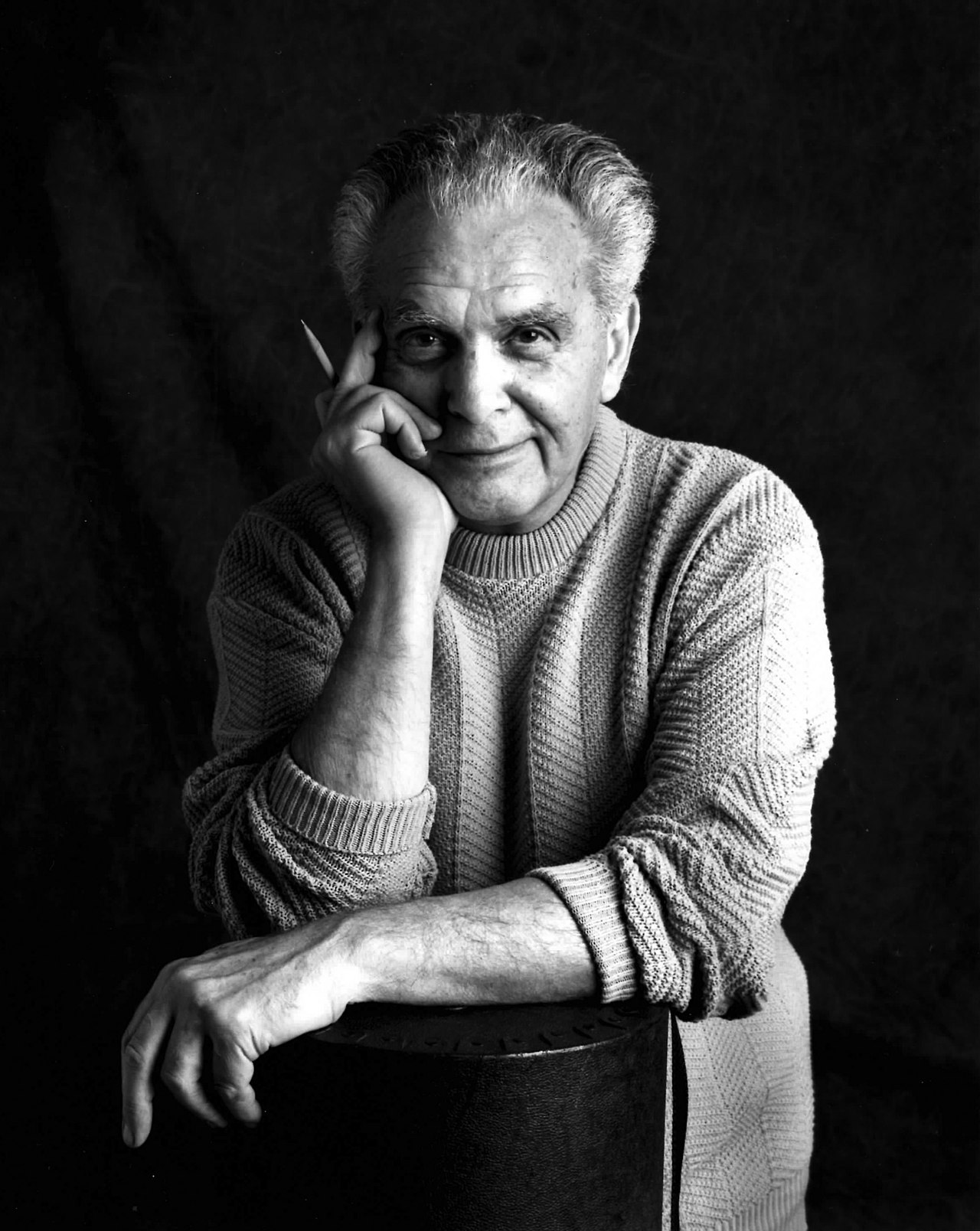
Jack Kirby (born Jacob Kurtzberg; August 28, 1917 – February 6, 1994) was a major figure in American comic books whose work helped define the modern superhero. Over a career that began in the 1930s and continued for decades, Kirby drew, co-created, and sometimes wrote many characters and series that shaped the vocabulary of sequential art. He is remembered for a dynamic, high-energy visual style and an expansive imagination that ranged from patriotic adventures to cosmic mythology. For a concise biographical summary and selected primary sources see biographical references.
Image gallery
10 Images




Early life and beginnings
Kirby grew up in New York City and entered the nascent comic-book industry as it expanded in the 1930s and 1940s. His early professional partnership with artist-writer Joe Simon produced the patriotic hero Captain America, a landmark character introduced during World War II. Throughout his early career he worked for a number of publishers, building a reputation for bold layouts and powerful figure work.
Marvel era and collaboration with Stan Lee
In the early 1960s Kirby became a central creative force at Marvel Comics, where he frequently collaborated with editor-writer Stan Lee. Their partnership produced many of Marvel's foundational titles, and together they developed a large cast of memorable heroes. Kirby's contributions to plot, design and pacing were significant in establishing enduring franchises and the modern superhero team format. Many of these creations are often cited as core elements of the company's legacy and popular culture at large; for summaries of the characters and concepts see the list of major creations.
Artistic style and techniques
Kirby's pages are recognizable for dramatic perspective, energetic figure poses, and dense visual detail. He used clustered dots and irregular shapes to suggest cosmic energy—an effect often called the "Kirby Krackle"—and favored large, emphatic compositions that conveyed motion and power. His design vocabulary combined machine-like forms with mythic iconography, giving even science-fiction scenes a sense of heroic grandeur. These techniques influenced generations of artists and helped define cinematic approaches to action storytelling.
Fourth World, DC Comics, and later work
In 1970 Kirby left Marvel and moved to DC Comics, where he conceived the ambitious "Fourth World" saga: an interlocking series of stories that introduced the New Gods, the tyrant Darkseid, and characters such as Mister Miracle and the Forever People. The project represented an effort to build a coherent, mythic universe with cosmic stakes and recurring themes. After his DC period, Kirby worked on various projects for different publishers and continued to create new characters and concepts throughout the 1970s and beyond.
Legacy, influence, and rights conversations
Kirby's influence extends beyond the pages of comic books into animation, cinema, and visual design. Many of the teams and characters he helped create—among them the Fantastic Four, the X-Men, and the Hulk—are now fixtures of global popular culture. His career also figures in ongoing discussions about creator credit, authorship and creators' rights; debates about attribution and compensation have shaped industry practices and public awareness of the contributions made by artists and writers.
Selected works and further reading
- Biographical overview and timeline
- Captain America and early collaborations
- Major Marvel Comics work
- Collaboration with Stan Lee
- Comprehensive list of creations and characters
- The Fantastic Four and foundational stories
- The X-Men and ensemble narratives
- The Hulk and other solo characters
- The Fourth World, New Gods and DC period
For readers seeking a deeper introduction, look for collections of Kirby's work, annotated reprints, and critical studies that examine both his art and his role in the evolving business of comics. Museums, libraries and specialist publishers have preserved many original pages and essays that further document his techniques and influence.
Related articles
Author
AlegsaOnline.com Jack Kirby: Pioneering Comic Book Artist and Storyteller Leandro Alegsa
URL: https://en.alegsaonline.com/art/121127
Sources
- familysearch.org : familysearch.org/pal:/MM9.1.1/VMK5-CPJ.html