
Stan Lee: Life, career and legacy of a leading comic-book creator
Overview of Stan Lee's life, creative methods, major co-creations, career at Marvel, awards and cultural legacy, including his cameo roles and influence on modern superhero fiction.
Overview
Stan Lee (born Stanley Martin Lieber; December 28, 1922 – November 12, 2018) was an American comic-book writer, editor and publisher who became one of the best-known public faces of the superhero genre. Over several decades he served as the principal creative leader at Marvel Comics and helped transform comic books into stories that emphasized character, moral complexity and contemporary concerns. Lee often worked in collaboration with illustrators and co-writers and remained a visible cultural figure long after his tenure as an editorial executive.
Image gallery
10 Images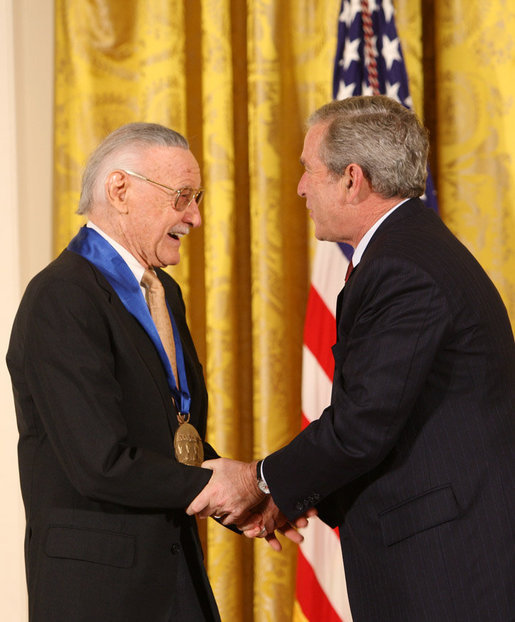


Creative approach and contributions
Lee popularized a collaborative production style that allowed artists and writers to shape narratives together; this approach altered the way many American comic books were created. His writing emphasized flawed, relatable protagonists, emphasizing human problems, personal responsibility and social themes alongside traditional heroics. Lee also wrote a long-running letters-and-opinion column that helped him connect directly with readers and promote a sense of community around the medium. For more on his role in the industry see comic book writer histories and profiles.
Career and collaborations
Lee began working in the comics industry as a young man and rose through editorial ranks during the mid-20th century, eventually becoming the public face and creative leader of Marvel Comics. His work is closely associated with collaborations with artists such as Jack Kirby and Steve Ditko, partnerships that produced many of Marvel's most enduring characters. Lee's collaborations blended dynamic visual storytelling with a conversational scripting style that helped distinguish Marvel's output from earlier, more archetypal superhero tales.
Major creations and characters
Across the 1960s and beyond Lee co-created numerous characters that became cultural icons. Notable examples include:
- Spider-Man — a young hero coping with everyday problems as well as supervillains;
- the X-Men — a team whose stories addressed prejudice and social difference;
- Iron Man, Captain America and Ant-Man — each blending technology, patriotism or science-based premises;
- Daredevil, Thor and the Hulk — heroes with distinctive personal challenges and mythic or urban settings.
Legacy, honors and public persona
After stepping back from day-to-day editorial duties, Lee remained an active public ambassador for comic-book culture. He made cameo appearances in many film and television adaptations of Marvel properties and founded media ventures to develop new stories. His work and influence were recognized by industry honors such as induction into major comic-book halls of fame; he was also awarded the National Medal of Arts by the NEA, presented by President George W. Bush. Lee's efforts helped broaden the audience for superhero stories and shaped how such characters are portrayed in other media.
Notable facts and further reading
Lee's career is notable both for the volume of characters associated with his name and for his role as a popular spokesman for an evolving industry. His legacy includes debates about authorship and collaboration, continuing adaptations of his creations, and ongoing collector and scholarly interest in the period of comic-book history he helped define. For additional background and primary sources, consult general profiles and industry histories linked below.
- Biography and early career overview
- Marvel Comics history and corporate evolution
- Profiles of Jack Kirby and stylistic collaborations
- Profiles of Steve Ditko and co-creations
- Spider-Man: creation and cultural impact
- The X-Men and social themes
- Iron Man and the technological hero
- Daredevil and urban storytelling
- Captain America: history and reinvention
- Ant-Man and genre experimentation
- National Medal of Arts citation and context
- Ceremony and public recognition
Questions and answers
Q: Who was Stan Lee?
A: Stan Lee was an American comic book writer, editor, and publisher. He was the lead creative leader for Marvel Comics for almost 21 years.
Q: What popular fictional characters did he co-create?
A: Stan Lee co-created many popular fictional characters, including superheroes Spider-Man, the X-Men, Iron Man, Thor, the Hulk, the Fantastic Four, Black Panther, Daredevil, Doctor Strange, Captain America and Ant-Man.
Q: When did he retire from Marvel?
A: Stan Lee retired from Marvel in the 1990s.
Q: Did he continue to be a public figurehead for Marvel after his retirement?
A: Yes. After his retirement from Marvel in the 1990s he remained a public figurehead for the company and made cameo appearances in movies based on Marvel characters.
Q: Was he still doing independent creative works into his 90s?
A: Yes. He continued independent creative works into his 90s until his death in 2018.
Q: When was he inducted into comic book industry's Will Eisner Award Hall of Fame?
A: He was added into the comic book industry's Will Eisner Award Hall of Fame in 1994.
Q: When did President George W Bush award him with NEAs National Medal of Arts?
A: President George W Bush awarded him with NEAs National Medal of Arts in 2008
Author
AlegsaOnline.com Stan Lee: Life, career and legacy of a leading comic-book creator Leandro Alegsa
URL: https://en.alegsaonline.com/art/131147