
Locker: Personal storage compartments, types, and security
A locker is a small lockable compartment used to store personal items in schools, gyms, workplaces, transit hubs and other shared spaces. Types, locks, materials, uses and maintenance explained.
Overview
A locker is a small, individually lockable compartment designed to hold personal belongings such as books, clothing, bags and equipment. Lockers are typically arranged in banks or rows and assigned to individuals for short- or long-term use. They provide a convenient, semi-private place to store items in public and institutional settings while helping to reduce clutter and theft.
Image gallery
8 Images

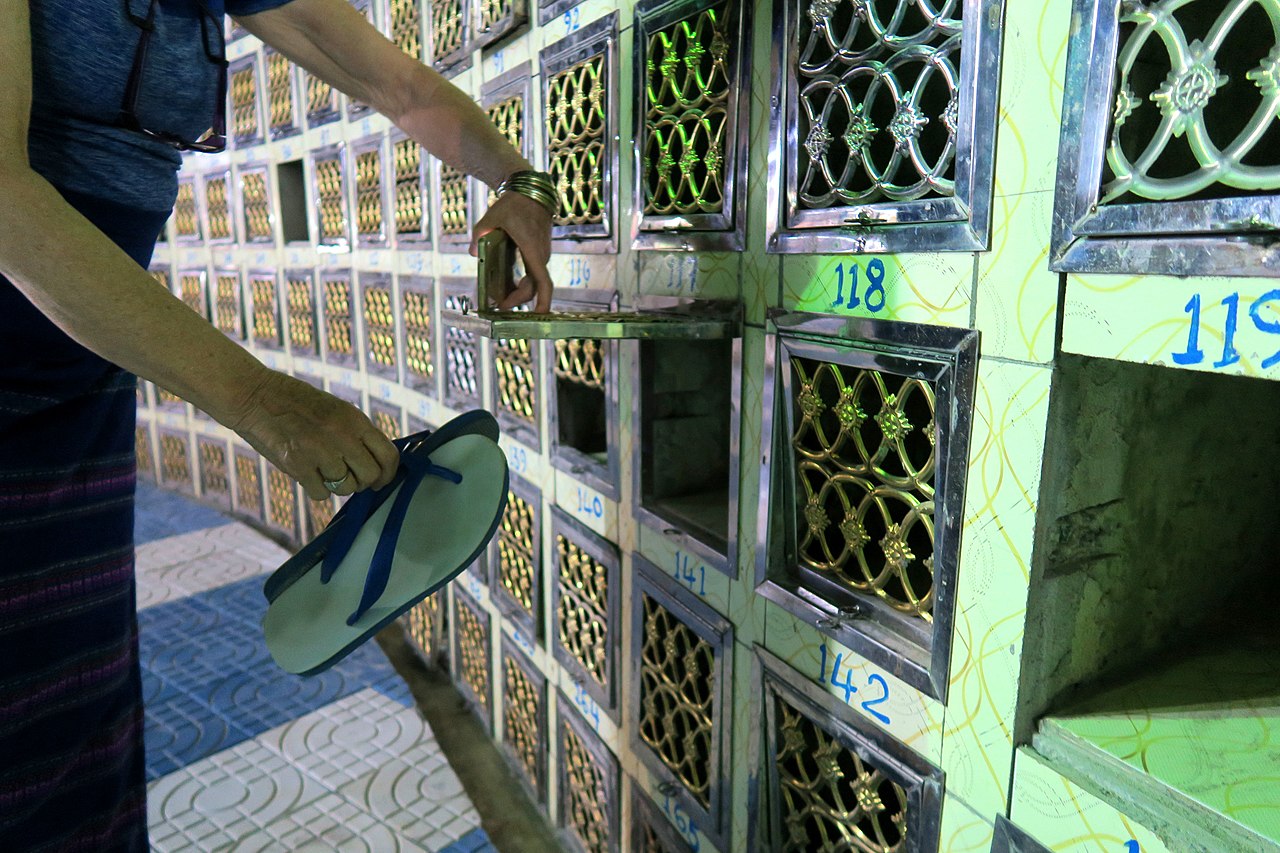


Common characteristics and components
Most lockers are made with a simple box-like structure that includes a door, an internal shelf or hook, and ventilation openings. Standard features may include numbering or labeling, recessed handles, vents to limit odor buildup, and small windows or label holders for identification. Materials vary by application: school and gym lockers are often steel, while plastic, laminate, or wood may be used for aesthetic or moisture-resistant needs.
Locks and security
Locking options range from user-supplied padlocks to factory-fitted mechanisms and modern electronic systems. Traditional padlocks are common, with typical maximum shackle thickness for consumer-grade installation around 5/16 inch (8 mm) and thin locker door gauges such as 0.8 mm; higher-security lockers use thicker shackles (around 10 mm) and heavier door materials (for example, 1.2 mm). Built-in cylinder locks, combination dials, coin-operated mechanisms, RFID keycards, and PIN pads are widely used alternatives. Many organizations keep a master key or administrative override to access any locker for maintenance, safety, or lost-key situations.
Types and typical locations
- School lockers: sized for textbooks and coats; often in corridors or changing rooms; keyed or combination locks are common (schools).
- Gym and pool lockers: designed for damp environments and personal items; may be coin-operated or electronic.
- Workplace and staff lockers: offered in offices, factories, or hospitals for employee belongings; may integrate with security systems.
- Public and transit lockers: short-term rental units for travelers and shoppers; frequent coin or electronic payment controls.
Administration, use and legal considerations
Locker management covers assignment, maintenance, cleaning, and access control. Users typically hold a single key or memorized combination (combination) to a designated unit, or carry a personal padlock (padlock). Facilities often supply lockers with integrated locks (built-in lock) or provide keys (key) as part of rental. Policies should address privacy, prohibited items, inspection rights, and liability for loss or damage. For safety and security, managers may retain an override key or digital access to open lockers when required.
Maintenance, selection and notable distinctions
When choosing lockers, consider material, ventilation, lock type, size, and mounting. Durable finishes, corrosion resistance for wet areas, and tamper-resistant fastenings improve longevity. Distinctions include personal-use lockers versus communal cabinets and simple coin lockers for temporary public storage. Modern trends include electronic access control, modular configurations, and parcel lockers for contactless delivery. Thoughtful placement and clear policies maximize usefulness while balancing security and user privacy.
For further product specifics, installation guidance, and safety standards consult manufacturers or facility design references: many manufacturers publish detailed specifications and recommendations for particular environments and use cases.
More about common items stored • Locker use in schools • Padlock types • Built-in locking mechanisms • Key control practices • Combination locks and access systems
Related articles
Author
AlegsaOnline.com Locker: Personal storage compartments, types, and security Leandro Alegsa
URL: https://en.alegsaonline.com/art/58769