
Lucy Cavendish College, Cambridge: history, mission, and student life
A small University of Cambridge college founded to advance women's higher education; originally for women aged 21+, now broadened. Focuses on mature and postgraduate students, access, and academic support.
Overview
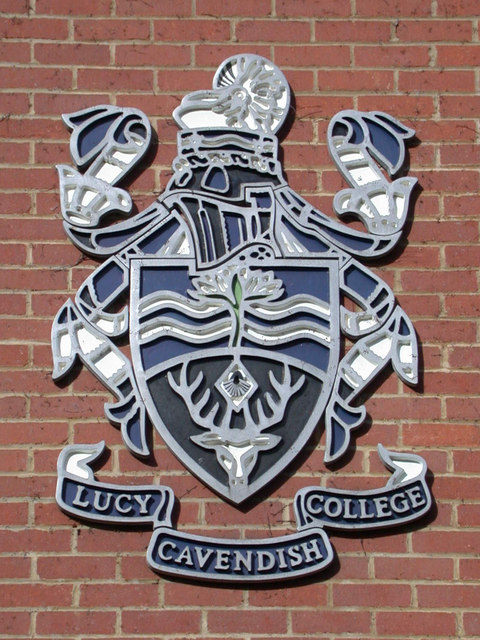
Lucy Cavendish College is one of the constituent colleges of the University of Cambridge, located in England. It was established in the mid-20th century with the express purpose of expanding opportunities for women in higher education. Historically the college admitted only women over the age of 21, welcoming mature undergraduates and a large number of postgraduates. It remains one of the smaller colleges in Cambridge, with an intimate community that emphasizes academic support, personal development and widening access.
Image gallery
9 Images





History and founding
The college was created by a group of university women who perceived that existing collegiate structures offered limited routes for women, especially older students and those returning to study. Named after Lucy Cavendish (1841–1925), an advocate for improving educational prospects for girls and young women, the college embodied a reforming tradition within Cambridge. From its foundation it sought to combine collegiate teaching and pastoral care with a mission to broaden participation in university life.
Characteristics and organisation
Lucy Cavendish has a small, close-knit student body and a college administration typical of Cambridge institutions: a head (often called the President), fellows who lead teaching and research, tutors who provide academic guidance, and staff who manage accommodation, welfare and events. Facilities include common rooms, a college library and study spaces, and accommodation for many students. Because of its original emphasis on mature learners, the college developed particular expertise in supporting students who balance study with work, family or other responsibilities.
Admissions, development and recent changes
For much of its history the college admitted only women aged 21 and over, a rule intended to serve mature students and promote women’s access to Cambridge. In response to wider debates about equality and collegiate access, the college reviewed and revised these founding rules in recent years and has broadened its admissions policy to be more inclusive. Today it continues to admit a diverse range of students, including undergraduates and postgraduates, while maintaining support programmes aimed at widening participation.
Life, teaching and contribution
Academic life at Lucy Cavendish follows the University of Cambridge pattern of small-group supervisions and university lectures. The college runs seminars, academic societies and extracurricular activities that reflect its student profile. As a compact college, it often offers strong pastoral support and networking opportunities, and it promotes outreach initiatives to encourage applicants from underrepresented backgrounds. Honorary fellowships and visitor programmes link the college with public figures and leaders who have advanced education and equality.
Notable facts and examples
- The college is deliberately small by design: this scale supports individualized academic and welfare attention.
- It has conferred honorary fellowships on public figures as recognition of service to education and women’s causes; among those associated by honour are the actor Judi Dench and Margrethe II of Denmark.
- Lucy Cavendish’s founding mission emphasized widening access to Cambridge, a focus that continues through outreach and support programmes.
Together these elements make Lucy Cavendish College a distinctive part of the collegiate university: a small institution born from a campaign for greater fairness in education, now operating as a modern college that balances tradition with an explicit commitment to inclusion and student support.
Related articles
Author
AlegsaOnline.com Lucy Cavendish College, Cambridge: history, mission, and student life Leandro Alegsa
URL: https://en.alegsaonline.com/art/59749