
Lobamba — legislative and cultural capital of Eswatini
Lobamba is Eswatini’s royal and legislative center, known for national ceremonies, royal palaces, museums and its role as the cultural heart of the kingdom.
Overview
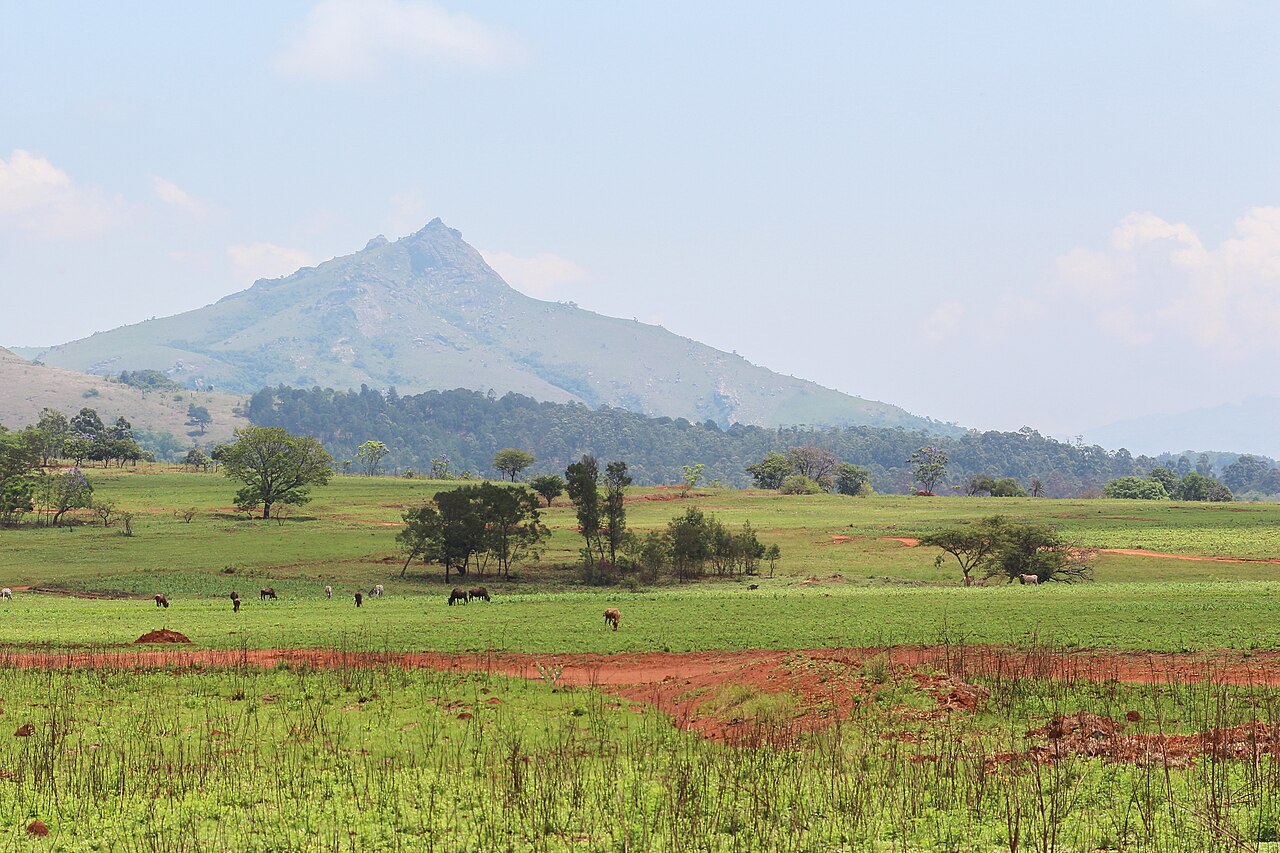
Lobamba is the traditional and legislative capital of the Kingdom of Eswatini (formerly Swaziland). It is the setting for the country’s Parliament and several royal residences, and functions as the ceremonial heart of the nation. Lobamba lies in the Hhohho district in the western part of the country and is closely associated with national governance and monarchy. The town’s population is small by urban standards — often given as around 10,000 people — but its national importance far exceeds its size. Visitors often travel between Lobamba and the nearby administrative capital of Mbabane for government, cultural and tourist activities.
Image gallery
5 Images



Culture, ceremonies and traditions
Lobamba is best known for two major annual ceremonies that attract national attention and international visitors. These events celebrate the monarchy, reinforce communal identity and preserve traditional customs. The town’s role as host for state rituals makes it synonymous with Eswatini’s living cultural heritage.
The Reed Dance, frequently held in late winter and early spring, is a public rite in which unmarried girls present reeds and perform dances in honor of the Queen Mother and the royal household. This event blends social, cultural and political meaning and is a prominent tourist attraction. The Reed Dance and related festivities are widely described in accounts of Eswatini’s cultural calendar — see national ceremonies and a general outline of the Reed Dance.
The Incwala, sometimes called the Kingship ceremony, is the other principal ritual, staged around the turn of the year. Incwala celebrates the authority and renewal of the king’s rule and features performances, sacred rites and communal gatherings. These ceremonies involve public dancing (dancing), singing (singing) and traditional attire (traditional clothing), which together express continuity with long-established Swazi customs.
Landmarks and institutions
Although compact, Lobamba hosts several sites of national importance. The Embo State Palace and the Royal Kraal serve as royal residences and ceremonial spaces. The Parliament of Eswatini meets in Lobamba, reinforcing the town’s legislative function; for information about legislative activities see Parliament. The Swazi National Museum and a dedicated museum commemorating the reign of King Sobhuza II provide historical exhibits and cultural context; visitors can find more about the latter at a museum about Sobhuza II.
Visitor attractions and surroundings
- Museum and interpretive displays that explain Swazi history and monarchy.
- Traditional performances and craft markets around ceremony times.
- Nearby natural sites such as the Mlilwane Wildlife Sanctuary and other conservation areas suitable for day trips.
- Regional transport links, with Matsapha Airport serving the general area and road connections to other urban centers.
Practical information for visitors and researchers often points to resources describing Lobamba’s location in the west of the kingdom (western Eswatini) and demographic notes on its small population (population estimates).
Significance and distinctions
Lobamba occupies a distinctive place in Eswatini’s national life because it combines political, spiritual and cultural functions. Unlike many countries with a single capital, Eswatini separates administrative duties (centered in Mbabane) from legislative and royal ceremonies (centered in Lobamba). This division underscores the country’s respect for traditional monarchy alongside modern institutions. For anyone studying Eswatini’s culture, monarchy or ceremony, Lobamba provides an accessible focal point where rituals, museums and official buildings converge.
For further reading and planning visits, consult national cultural guides and official sources that describe Lobamba’s festivals, institutions and visitor facilities; many summaries and event calendars are available through cultural and travel resources (Parliament, ceremonies overview). Additional background about traditions and royal history can be found in illustrated museum exhibits and interpretive materials produced locally and by heritage organizations.
Related articles
Author
AlegsaOnline.com Lobamba — legislative and cultural capital of Eswatini Leandro Alegsa
URL: https://en.alegsaonline.com/art/58725
Sources
- floodmap.net : Elevation of Lobamba,Swaziland Elevation Map, Topo, Contour
- timezonegenius.com : Lobamba.
- phone-area-code-dialing.com : Lobamba.
- postcodesdb.com : Lobamba.
- geopostcodes.com : Lobamba.