
Loco (Ticino, Switzerland) — village and former municipality
Loco is a small Italian‑speaking village in the canton of Ticino, southern Switzerland. Formerly an independent municipality, it merged with neighboring communes in 2001 to form Isorno.
Overview
Loco is a village in the canton of Ticino in southern Switzerland. It lies in a mountainous, predominantly Italian‑speaking part of the country and until 2001 functioned as an independent municipality. Today it forms part of the larger municipality of Isorno.
Image gallery
5 Images


Geography and character
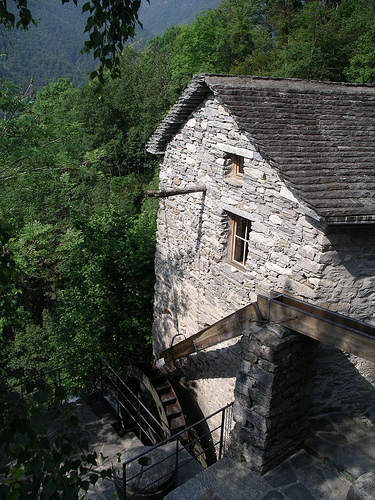
The village sits in a steep, wooded valley typical of Ticino's interior, with narrow lanes, stone houses and terraced land where small‑scale agriculture and pasture were traditionally practiced. The surrounding landscape offers hiking routes, panoramic views and a quieter contrast to the lakeside towns of the canton.
History and administrative change
Like many small settlements in the region, Loco developed as a rural community linked to mountain farming, seasonal work and local crafts. In 2001 the municipality of Loco was merged with the neighboring municipalities of Auressio and Berzona to create a single administrative unit, a change intended to streamline local services and respond to demographic shifts. The merger is documented by cantonal records and local sources; see the former municipal reference at Auressio and the neighboring entry for Berzona.
Culture, economy and contemporary life
Today Loco retains elements of traditional Ticinese rural culture: stone architecture, small chapels, and seasonal agricultural activities. Economic life has diversified: some residents work in nearby towns, while others are involved in tourism, artisanal crafts or telecommuting. The village is appreciated for its cultural heritage and quiet environment.
Notable facts and visitor information
- Italian is the predominant language and cultural influence.
- Part of the municipal entity of Isorno since 2001.
- Accessible by local roads and used as a base for outdoor walking and cultural visits.
Loco illustrates the wider trends in Swiss mountain communities: small scale, close‑knit settlements adapting to modern economic and administrative realities while preserving regional identity.
Related articles
Author
AlegsaOnline.com Loco (Ticino, Switzerland) — village and former municipality Leandro Alegsa
URL: https://en.alegsaonline.com/art/58790
Sources
- bfs.admin.ch : Amtliches Gemeindeverzeichnis der Schweiz
- tools.wmflabs.org : 46°12′N 8°40′E / 46.200°N 8.667°E / 46.200; 8.667