
Lockerbie: town, 1988 air disaster, investigation and legacy
Lockerbie, a market town in southern Scotland, became internationally known after the December 1988 bombing of Pan Am Flight 103. The event had long legal, political and aviation-security consequences.
Overview
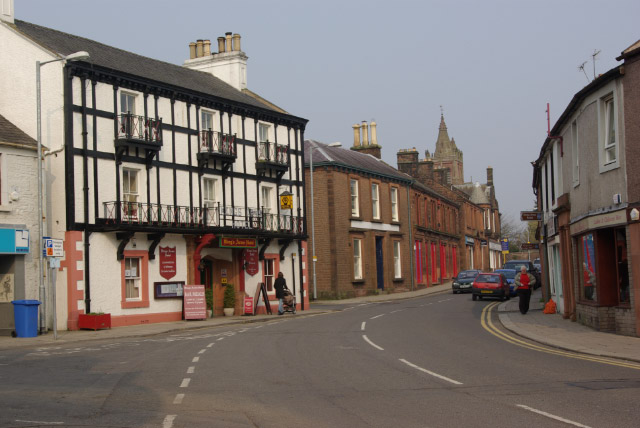
Lockerbie is a small market town in the south of Scotland that acquired global attention after a catastrophic aviation crime in December 1988. Prior to that event it was chiefly known for its rural setting and local commerce; afterward it became the focus of police inquiries, legal proceedings, remembrance, and international diplomacy.
Image gallery
5 Images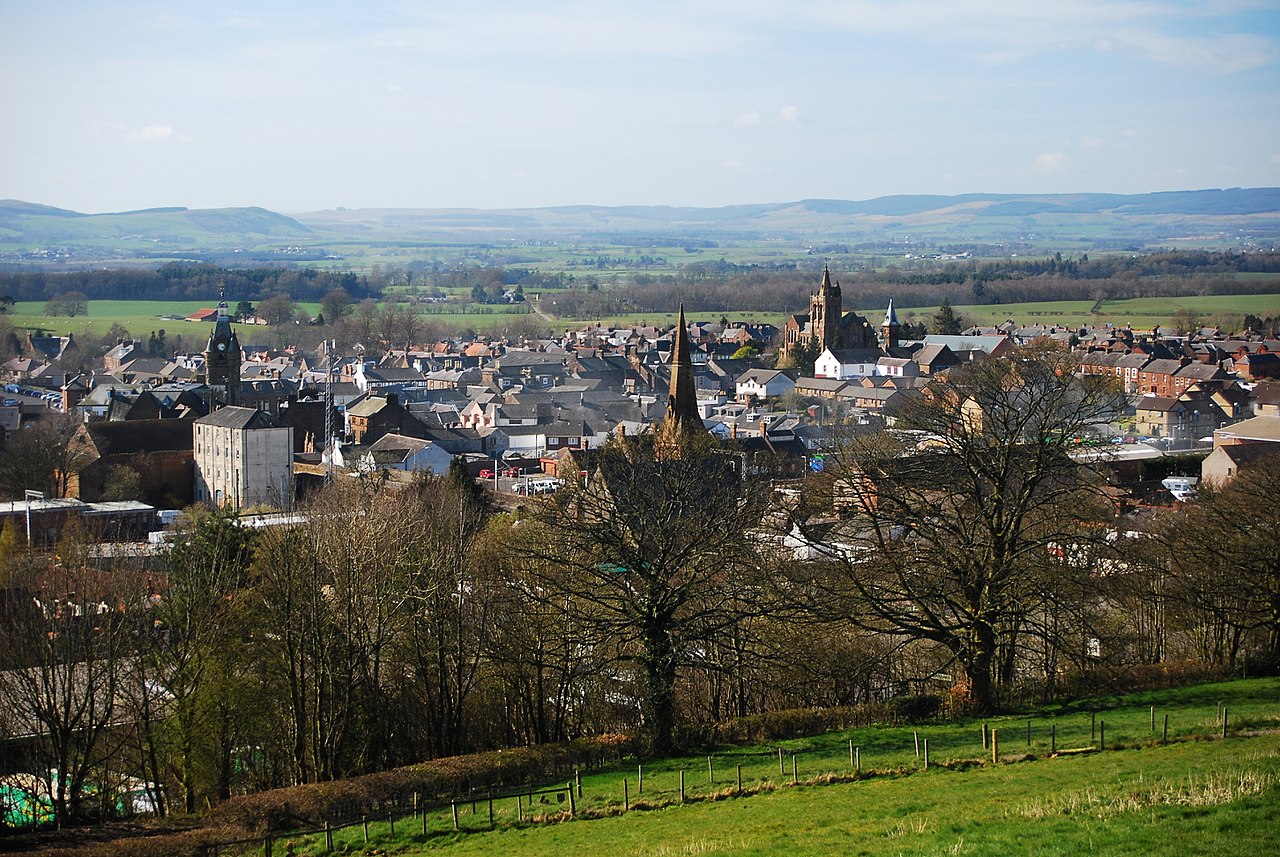


The 1988 bombing
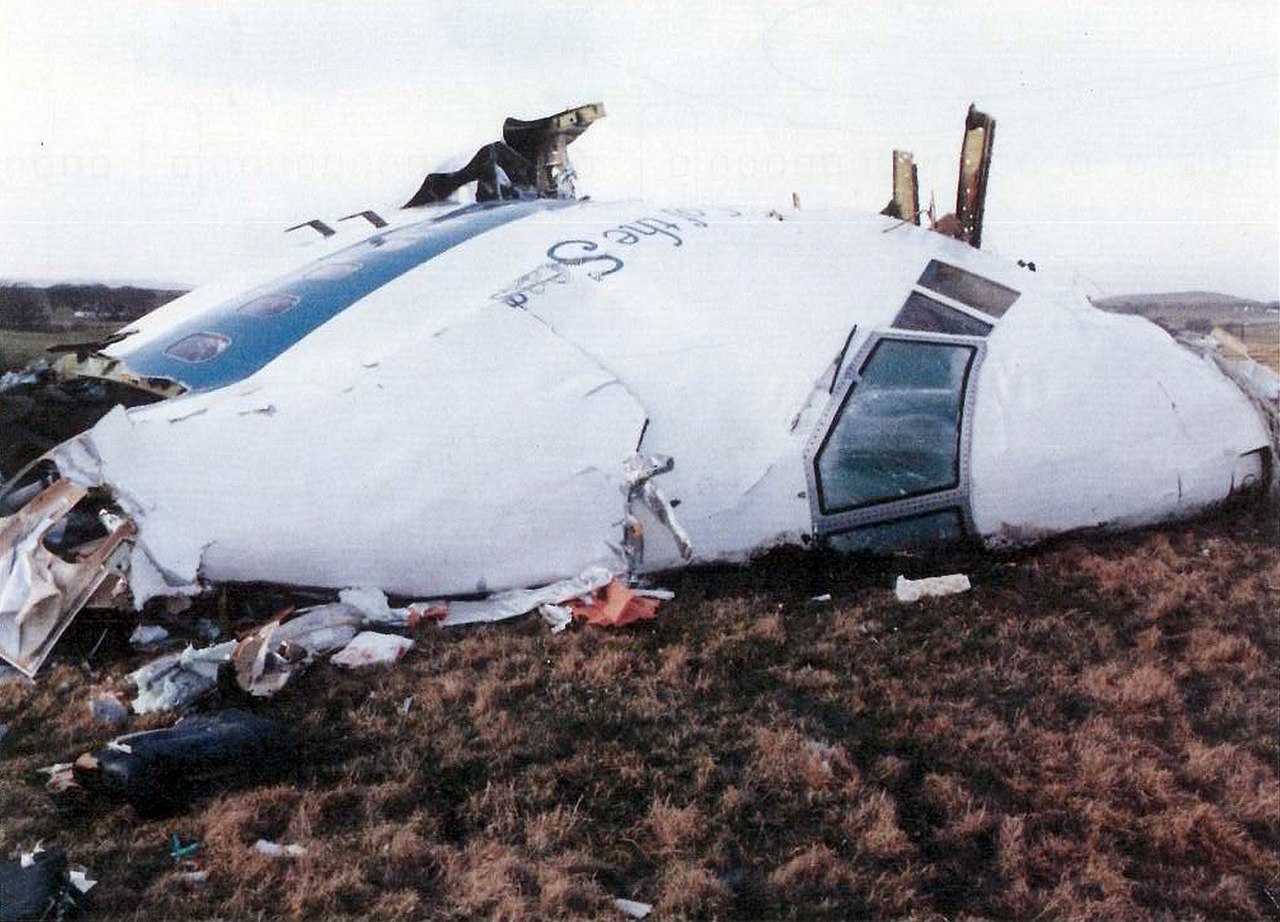
On 21 December 1988 a transatlantic passenger aircraft was destroyed by an improvised explosive device while en route to the United States, shedding wreckage over Lockerbie and surrounding areas. The carrier, widely referred to as Pan Am Flight 103, broke up in flight and crashed, killing everyone on board and several people on the ground. In total 270 people lost their lives. Investigators concluded that the bomb had been concealed inside checked luggage and had been transferred onto the aircraft from a connecting continental European flight.
Investigation, prosecutions and state responsibility
The subsequent investigation was one of the largest criminal inquiries of its kind, involving multiple countries and forensic teams. Evidence compiled over years led to indictments against individuals alleged to have links with foreign intelligence services. In a trial held under Scottish law in the Netherlands, a Libyan national was convicted in 2001; another suspect was acquitted. In 2003 the government of Libya accepted responsibility for the actions of its officials in relation to the bombing and later made payments to families of the victims. The case remained controversial in some quarters, prompting appeals, debate, and continuing calls for further independent review.
Aftermath and commemoration
The human and civic response in Lockerbie has included local and international memorials, annual services of remembrance, and initiatives to support survivors and bereaved families. The town and wider communities mounted recovery and cleanup efforts in the days after the crash. Memorials have been established in Lockerbie and in countries that lost citizens, serving as focal points for grief, remembrance and education about the event.
Legacy and impact
The bombing had wide-ranging consequences beyond the immediate tragedy. It accelerated reforms in aviation security, including improved screening of checked baggage, stricter controls on interline transfer of luggage, and technological investments in explosive detection. Politically, the case contributed to international pressure on governments alleged to have been involved and to the use of sanctions in diplomacy. For Lockerbie itself, the incident is a defining historical moment that reshaped the town's identity and global recognition.
Notable aspects and open issues
- Scale of loss: 270 people were killed, including airline passengers, crew and townspeople on the ground.
- Complex investigation: cross-border forensic work and legal arrangements were required to secure prosecution.
- Ongoing debate: aspects of responsibility, evidence and legal decisions have been the subject of public discussion and further inquiry requests.
Lockerbie remains a living community with a history that now includes a high-profile international tragedy. The events of 1988 continue to inform practices in aviation safety, counterterrorism, international justice and the way communities commemorate sudden mass loss.
Related articles
Author
AlegsaOnline.com Lockerbie: town, 1988 air disaster, investigation and legacy Leandro Alegsa
URL: https://en.alegsaonline.com/art/58770
Sources
- credoreference.com : "Libya"