
Lithium-ion battery: design, operation, uses, and safety
Rechargeable electrochemical cell widely used in portable electronics and EVs. Explains structure, how it works, history, advantages, typical applications, performance, safety concerns and recycling.
Overview
A lithium-ion battery is a type of rechargeable electrochemical cell prized for its high energy density, relatively low weight, and ability to deliver high power. These batteries have become the standard energy source for laptops, smartphones, cameras and many electric vehicles because they store more energy per unit mass than older rechargeable chemistries. For a concise technical introduction, see the technical overview, and for common consumer device use, see information about portable electronics.
Image gallery
10 Images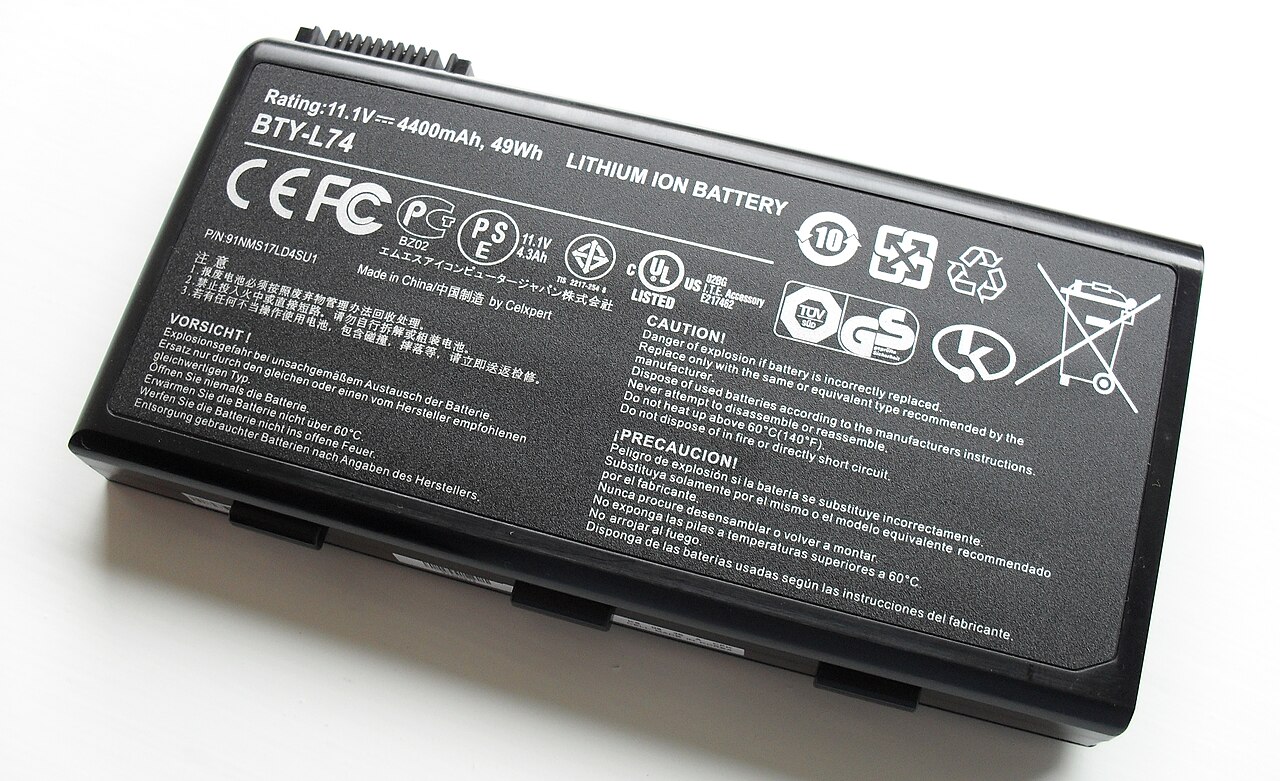





Construction and how it works
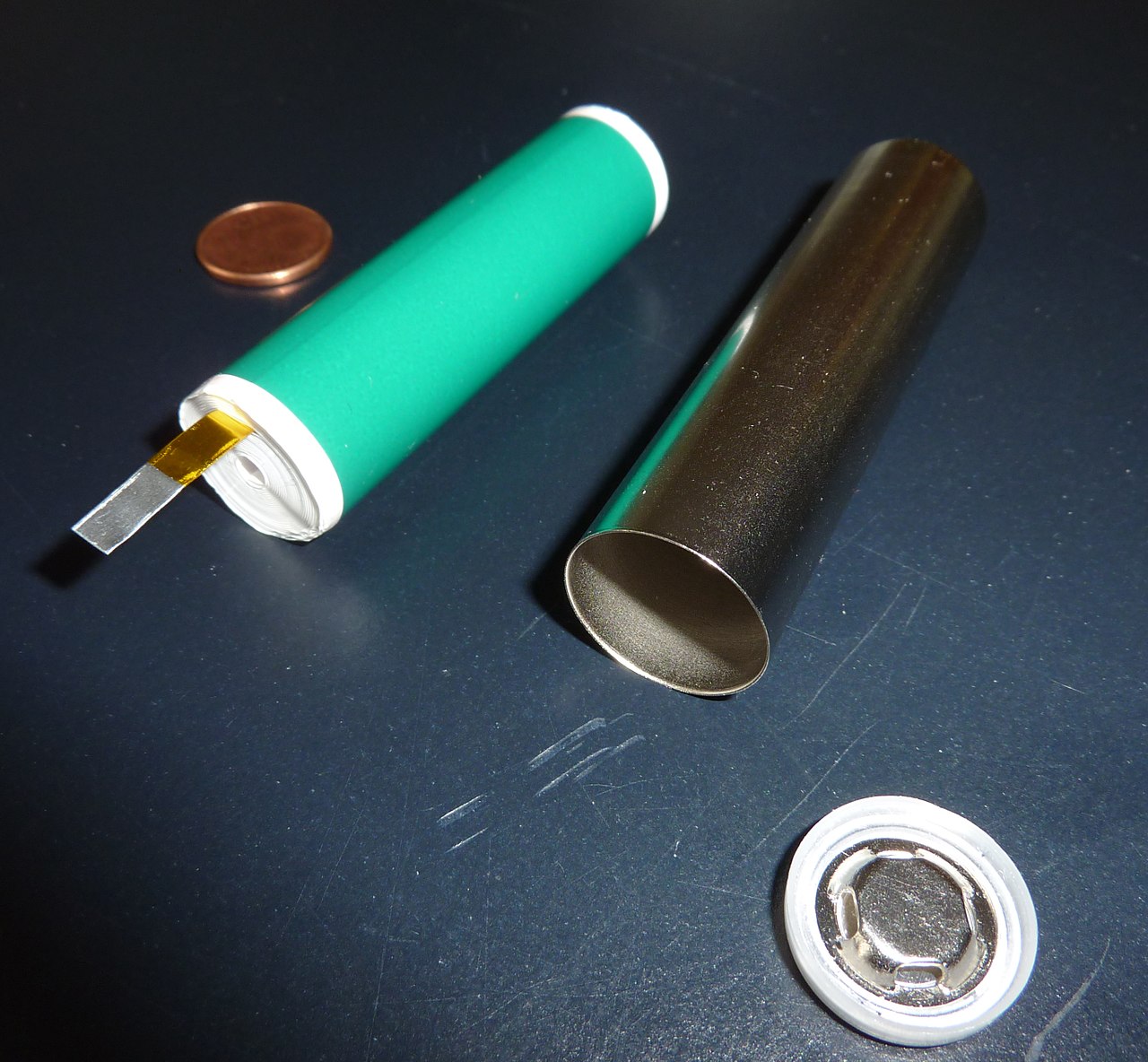
At a basic level a lithium-ion cell consists of two electrodes (an anode and a cathode), an electrolyte that conducts lithium ions, and a porous separator that prevents electrical shorting while allowing ion flow. During discharge lithium ions move from the anode to the cathode through the electrolyte and electrons flow through the external circuit to supply power. Charging reverses the process. The term "lithium-ion" refers to the movement of lithium ions between electrodes; it should not be confused with primary lithium batteries that contain metallic lithium.
- Main components: cathode (lithium-containing metal oxide), anode (commonly graphite), liquid or gel electrolyte, separator, and current collectors.
- Electrochemistry: intercalation reactions allow lithium ions to insert into electrode materials without forming metallic lithium under normal operation — a key distinction from lithium metal cells.
History and development
Research into lithium-based rechargeable cells began in the late 20th century and matured into commercial products in the 1990s. Improvements in electrode materials, electrolytes, and manufacturing techniques steadily increased capacity, cycle life and safety. Different formulations (for example, lithium cobalt oxide, lithium iron phosphate and nickel-rich chemistries) trade off energy density, cost, lifespan and thermal stability, so multiple variants coexist to suit particular uses.
Applications and advantages
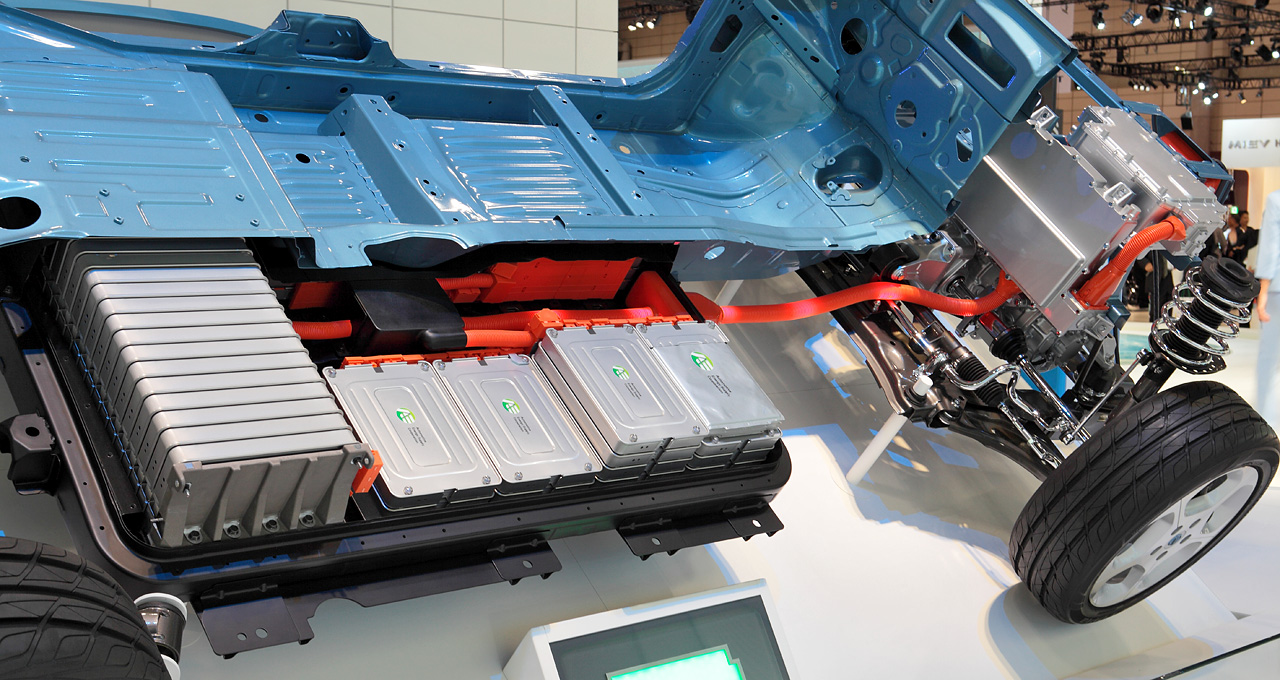
Lithium-ion batteries power a wide range of applications from small consumer gadgets to larger systems such as electric vehicles and grid-scale storage. Their advantages include high energy and power density, low self-discharge, and absence of memory effect that affected some older chemistries like nickel–cadmium. Battery management systems (BMS) are commonly used to monitor cell voltage, temperature and balance cells in multi-cell packs to maximize safety and longevity.
Performance, lifecycle and distinctions
Cycle life depends on chemistry, depth of discharge, temperature and charge rates. Consumer cells typically endure from a few hundred up to over a thousand charge cycles before usable capacity falls noticeably; manufacturers often describe expected cycle counts in cautious terms. Important distinctions: primary lithium cells that contain lithium metal are usually non-rechargeable (see primary lithium batteries), while lithium-ion cells are rechargeable secondary cells (see primary cells for contrast). For further details on ion transport, consult a primer on ion transport and membranes.
Safety, handling and end-of-life
Although safer than early lithium metal systems, lithium-ion cells can fail if abused, overheated or physically damaged. Severe failures can lead to thermal runaway, fire or venting. Typical safety practices include avoiding extreme temperatures, using appropriate chargers and protection circuits, and following manufacturer guidance. Recycling reduces environmental impact and recovers valuable metals; many regions provide take-back programs to manage used batteries safely.
Notable facts
- Many modern devices rely on lithium-ion technology because it offers a practical balance of energy, weight and cost.
- Different cathode chemistries are chosen to prioritize energy density, safety or cost.
- Battery management and packaging play as large a role in real-world performance as the cell chemistry itself.
Related articles
Author
AlegsaOnline.com Lithium-ion battery: design, operation, uses, and safety Leandro Alegsa
URL: https://en.alegsaonline.com/art/58439
Sources
- pdbattery.com : "LiPo battery"