
The Little Colonel (1935 film)
A 1935 family drama starring Shirley Temple, directed by David Butler, adapted from Annie Fellows Johnston's novel — notable for its staircase dance featuring Shirley Temple and Bill "Bojangles" Robinson.
Overview
The Little Colonel is a 1935 American family drama directed by David Butler and adapted for the screen by William M. Conselman from Annie Fellows Johnston's novel. The film stars child actress Shirley Temple in the title role and features a celebrated dance sequence with tap great Bill "Bojangles" Robinson. Set in the post‑Civil War South, the story centers on a young girl's efforts to heal family divisions and soften a stern patriarch.
Image gallery
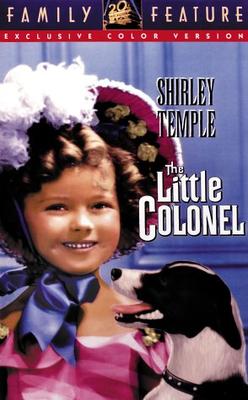
4 Images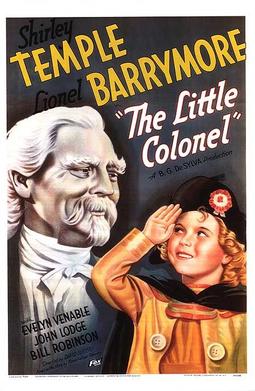


Production and principal contributors
Produced and distributed by a major Hollywood studio of the era, the film showcases the era's studio system craftsmanship: polished cinematography, musical numbers, and a clear central performance designed to foreground its young star. David Butler directed, and the screenplay retains the novel's focus on family, manners, and reconciliation while adapting scenes for a 1930s audience.
Notable elements
- The staircase dance performed by Shirley Temple and Bill "Bojangles" Robinson became the film's signature scene and a defining image of Temple's career.
- The screenplay places a child at the heart of an adult conflict, a common device in family melodramas of the period.
- The picture pairs spectacle (song and dance) with sentimental themes to appeal to Depression‑era audiences.
Historical and cultural context
At the time of its release, The Little Colonel reinforced Shirley Temple's status as a top box‑office draw and exemplified 1930s popular entertainment. The on‑screen partnership between Temple and Robinson was widely admired for its artistry but must be seen in the context of segregation and the limited roles available to Black performers. Modern viewers and scholars often discuss the film both for its cinematic achievements and for what it reveals about race and representation in early Hollywood.
Legacy
Beyond its initial commercial success, the film is remembered chiefly for its memorable choreography and for helping to define the child‑star vehicle. Its staircase number influenced later musical staging, and the film remains a reference point in discussions of Shirley Temple's career and of race in American film history. For further information and archival references, see film records and analyses.
Related articles
Author
AlegsaOnline.com The Little Colonel (1935 film) Leandro Alegsa
URL: https://en.alegsaonline.com/art/98357