
Lionel Ferbos (1911–2014)
American jazz trumpeter from New Orleans known for a long career in traditional jazz, appearances on film soundtrack, and for being one of the city's oldest active musicians at 103.
Lionel Ferbos was an American trumpet player whose career spanned much of the 20th century and into the 21st. Born July 17, 1911, and a lifelong resident of New Orleans, he became known for his clear tone, steady time, and commitment to traditional New Orleans jazz. Ferbos continued to perform publicly well past retirement age and was widely recognized as one of the oldest active jazz musicians in the city when he reached 103.
Image gallery
3 Images

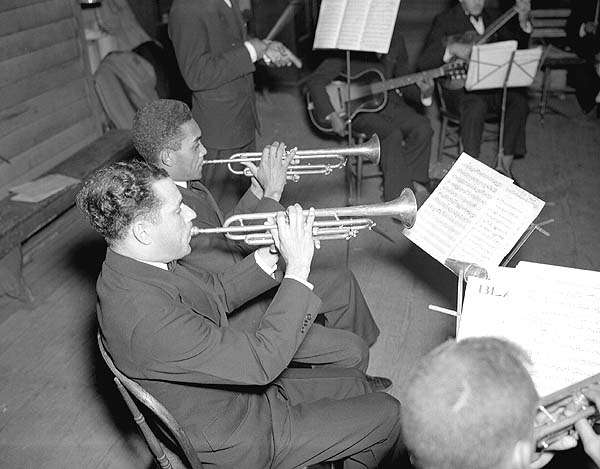
Early life and musical development
Ferbos grew up in New Orleans during a period when jazz was evolving from local brass-band and ragtime traditions into a widely admired art form. He began playing trumpet as a young man and developed a style rooted in the melodic and collective-improvisation approach associated with traditional and Dixieland jazz. His professional life reflected both the local music scene's demands and a personal dedication to keeping earlier jazz styles alive.
Career highlights
Over many decades Ferbos performed with a variety of local ensembles and at civic events, clubs, and festivals. One widely noted credit was his participation on the soundtrack for the 1978 film Pretty Baby, which introduced segments of New Orleans musical tradition to a broader audience. He was respected for his tasteful soloing and ensemble support rather than for flashy virtuosity.
Legacy and recognition
Ferbos became a symbol of continuity in New Orleans music: a link between early jazz eras and later generations of players. Musicians, audiences, and local media often celebrated his longevity and steady presence in the scene. His life illustrated how musical practice and community performance can endure across many decades.
Notable facts
- Born July 17, 1911; died July 19, 2014, at age 103.
- Associated with traditional New Orleans and Dixieland styles.
- Appeared on the soundtrack for the 1978 movie Pretty Baby.
- Recognized as one of New Orleans's oldest active jazz musicians.
- Remembered for a clear, lyrical trumpet tone and steady ensemble playing.
For further reading on his music and the wider cultural context of New Orleans jazz, see general resources on New Orleans jazz and traditional brass-band traditions.
Related articles
Author
AlegsaOnline.com Lionel Ferbos (1911–2014) Leandro Alegsa
URL: https://en.alegsaonline.com/art/58338
Sources
- nytimes.com : "At 100, Still Keeping Time as the Leader of the Band"
- nola.com : "Lionel Ferbos' Birthday Bash Worthy of his 100 Years"
- abcnews.go.com : "Jazz Trumpeter Lionel Ferbos Dies"