
Lionel Cranfield Sackville, 1st Duke of Dorset
English noble and statesman (1688–1765) who served twice as Lord Lieutenant of Ireland; a leading Georgian peer and court official involved in Anglo‑Irish governance and aristocratic patronage.
Overview
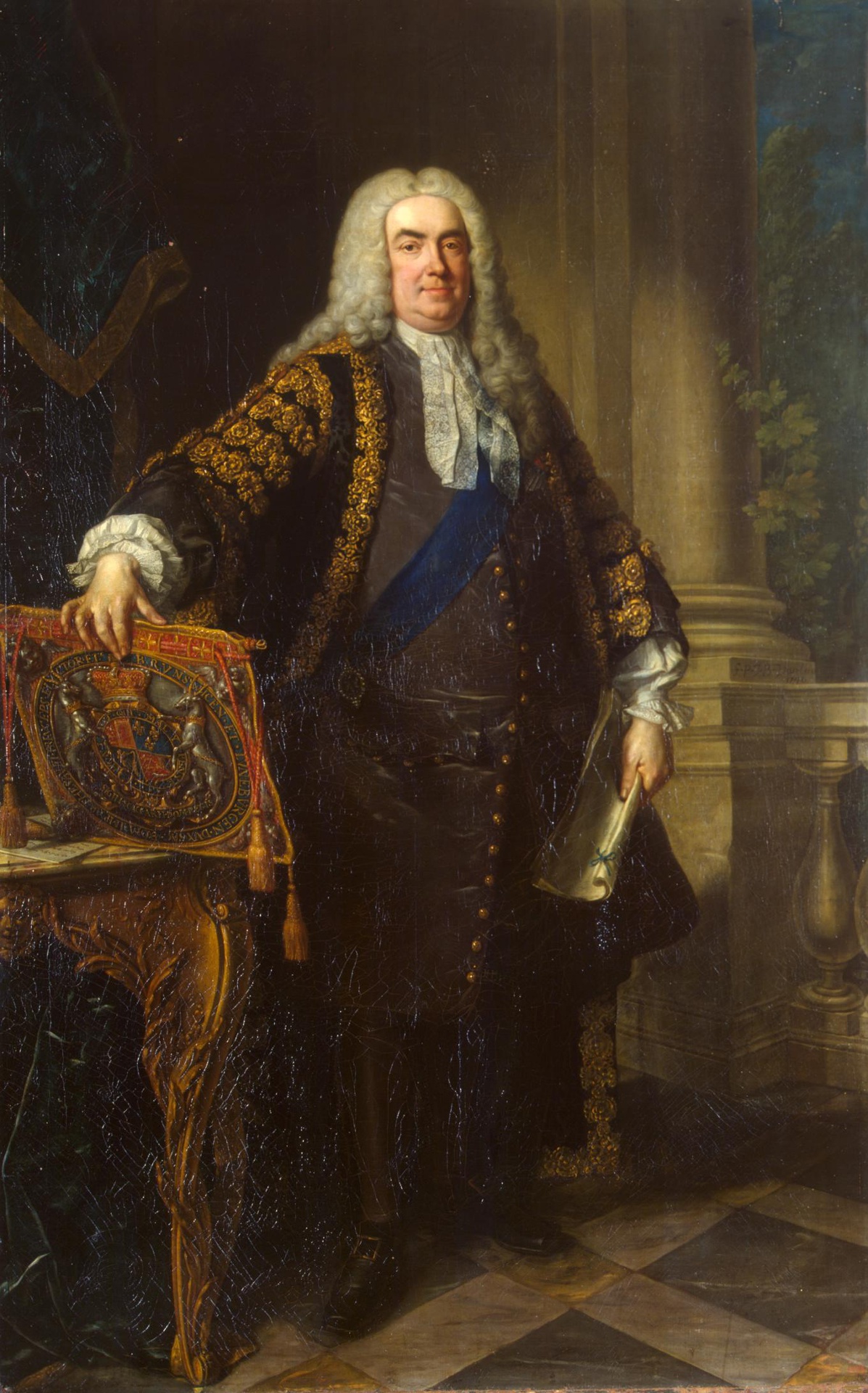
Lionel Cranfield Sackville, 1st Duke of Dorset (18 January 1688 – 10 October 1765) was an English peer and statesman of the Georgian era. He was a senior member of the Sackville family, long associated with country estates in Kent, and played a visible role in 18th‑century British government as a member of the Privy Council and a courtly representative of the crown. As a leading politician, he held influence in both metropolitan and Irish affairs.
Image gallery
5 Images



Background and family
Born into an established aristocratic household, Sackville inherited family interests and the responsibilities of high rank. The Sackvilles were known for their landed properties and social prominence. As duke, he combined the duties of a great landowner with those of an active public servant, maintaining the networks of patronage and local authority typical of his class.
Public offices and responsibilities
Sackville served in several high offices and was sworn a member of the Privy Council, advising the sovereign and participating in national administration. His career illustrates how peers of his generation moved between court, cabinet service and regional leadership, using status to shape appointments and policy.
Lord Lieutenant of Ireland
He was appointed Lord Lieutenant of Ireland, the king’s viceroy, on two occasions: from 1731 to 1737 and again from 1751 to 1755. In that role he acted as the crown’s chief representative in Dublin, overseeing the Irish administration, directing ceremonial functions, supervising military matters and influencing legislation passed by the Irish Parliament. His repeated appointments show that he was trusted by ministers to manage delicate Anglo‑Irish relations during the reign of George II.
Importance and legacy
While not known for a single defining reform, Sackville’s career is representative of Georgian governance: aristocratic leadership, imperial oversight, and the blending of local patronage with national politics. His service as viceroy placed him at the centre of interactions between Britain and Ireland during a period of limited Irish self‑government dominated by the Protestant Ascendancy.
Notable facts
- Held the dukedom and the social duties that accompanied it.
- Twice served as Lord Lieutenant of Ireland, a post combining ceremonial and executive functions.
- Member of the Privy Council and a prominent Georgian court figure.
Related articles
Author
AlegsaOnline.com Lionel Cranfield Sackville, 1st Duke of Dorset Leandro Alegsa
URL: https://en.alegsaonline.com/art/58345