
Lincoln Park (Chicago): lakefront park with zoo, museums, and natural areas
Lincoln Park is Chicago’s largest public park, a 1,200‑acre lakefront corridor of beaches, museums, nature reserves and recreation stretching along Lake Michigan’s North Side.
Overview
Lincoln Park is a long, narrow public park along the Lake Michigan shore on Chicago’s North Side. Covering roughly 1,208 acres, it is the city’s largest park and one of the most visited urban parks in the United States. The park takes its name from Abraham Lincoln and runs north–south along the lakefront for several miles, providing a continuous band of green space, beaches and cultural institutions between the lake and the neighborhoods inland.
Image gallery
10 Images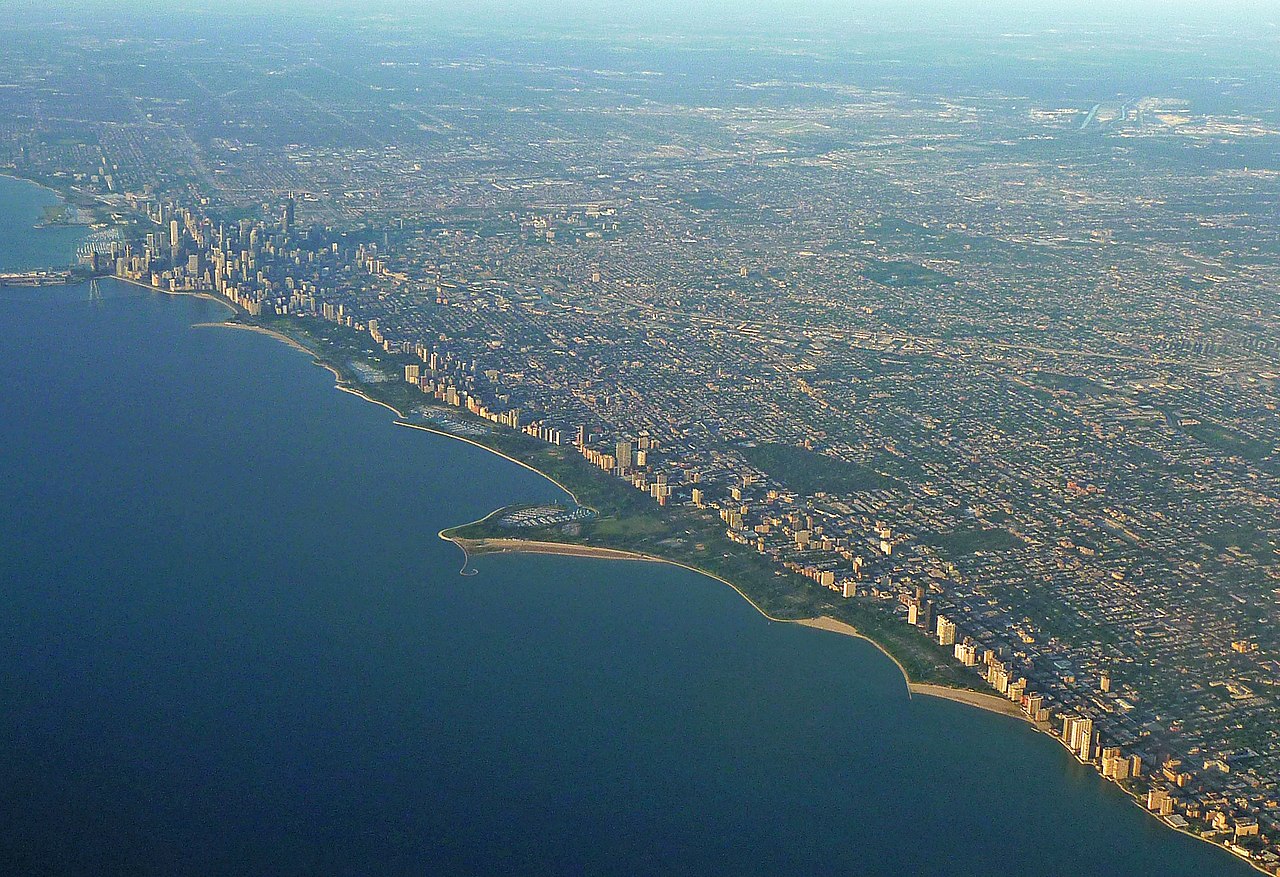





Geography and layout
The park extends for about seven miles from the vicinity of Ohio Street on the south to near Ardmore Avenue on the north, following the curve of the lakefront and Lake Shore Drive. Parts of Lincoln Park are broad parkland with lagoons and prairies, while other stretches form a narrower lakeside strip with beaches and promenades. Harbors, marinas and recreational facilities lie along its length, and several ponds, mudflats and restored shorelines provide habitat for migratory birds and other wildlife. The park is administered and maintained by the municipal park authority for Chicago.
Notable features and institutions
- Lincoln Park Zoo: One of the oldest free zoos in the U.S., located near the central portion of the park and open year‑round.
- Lincoln Park Conservatory: A historic glasshouse with floral displays and botanical collections.
- Museums: Several cultural institutions and small museums are clustered adjacent to the park, offering natural history, local history and educational programming.
- Beaches and harbors: Sandy public beaches and launch points for boating along the lakefront.
- Nature areas: Restored prairies, lagoons, the Alfred Caldwell Lily Pool and small nature sanctuaries popular with birdwatchers.
- Recreation: Running and cycling paths, sports fields, playgrounds and seasonal event spaces.
History and development
The land that became Lincoln Park has a layered history as shoreline, burial ground, common land and later a purpose‑built public park. In the 19th century the area north of the early city edge was used for public purposes and at times as a cemetery; over decades the parkland was expanded and landscaped. After President Abraham Lincoln’s assassination, the park was renamed in his honor, and through the late 19th and 20th centuries municipal investment created the zoo, conservatory, museum buildings and the continuous lakefront promenades that visitors use today.
Uses, importance and distinctions
Lincoln Park functions both as a metropolitan greenway and as a cultural destination. It supports everyday recreation — jogging, cycling, swimming and sports — alongside tourism and education through its zoo and museums. The park’s combination of restored natural habitat and urban amenities makes it important for wildlife and for city residents seeking access to the lakefront. With an annual visitation measured in the millions, Lincoln Park is often cited alongside other major urban parks; comparisons to places like Central Park highlight its role as a high‑use, multifunctional green space. For maps, amenities and programming information see resources about the lakefront and the park itself, including references to Lake Michigan access, the park’s namesake Abraham Lincoln, and the adjacent thoroughfare Lake Shore Drive. Additional reading and visitor guides are available through regional park and tourism pages comparing major urban parks.
Whether visited for wildlife viewing, museum outings, organized sports or a walk along the lake, Lincoln Park remains a defining element of Chicago’s public realm and a maintained example of how an extended urban park can combine recreation, culture and nature along a city shoreline.
Related articles
Author
AlegsaOnline.com Lincoln Park (Chicago): lakefront park with zoo, museums, and natural areas Leandro Alegsa
URL: https://en.alegsaonline.com/art/58181