
Lincoln County, West Virginia
Rural county in southwestern West Virginia, established in 1867 and named for Abraham Lincoln; county seat Hamlin. Historically shaped by timber, coal and small‑town Appalachian life, with outdoor recreation and local services.
Lincoln County is a rural county in the U.S. state of West Virginia, created in 1867 and named in honor of Abraham Lincoln. The county seat is the town of Hamlin. At the 2010 U.S. census the recorded population was 21,720 (census information); like many counties in the Appalachian region, Lincoln County has experienced demographic and economic change tied to the decline of some extractive industries and to outmigration from rural areas. General information about county services and history is available through local and state resources (county resources).
Image gallery
2 Images
Geography and landscape
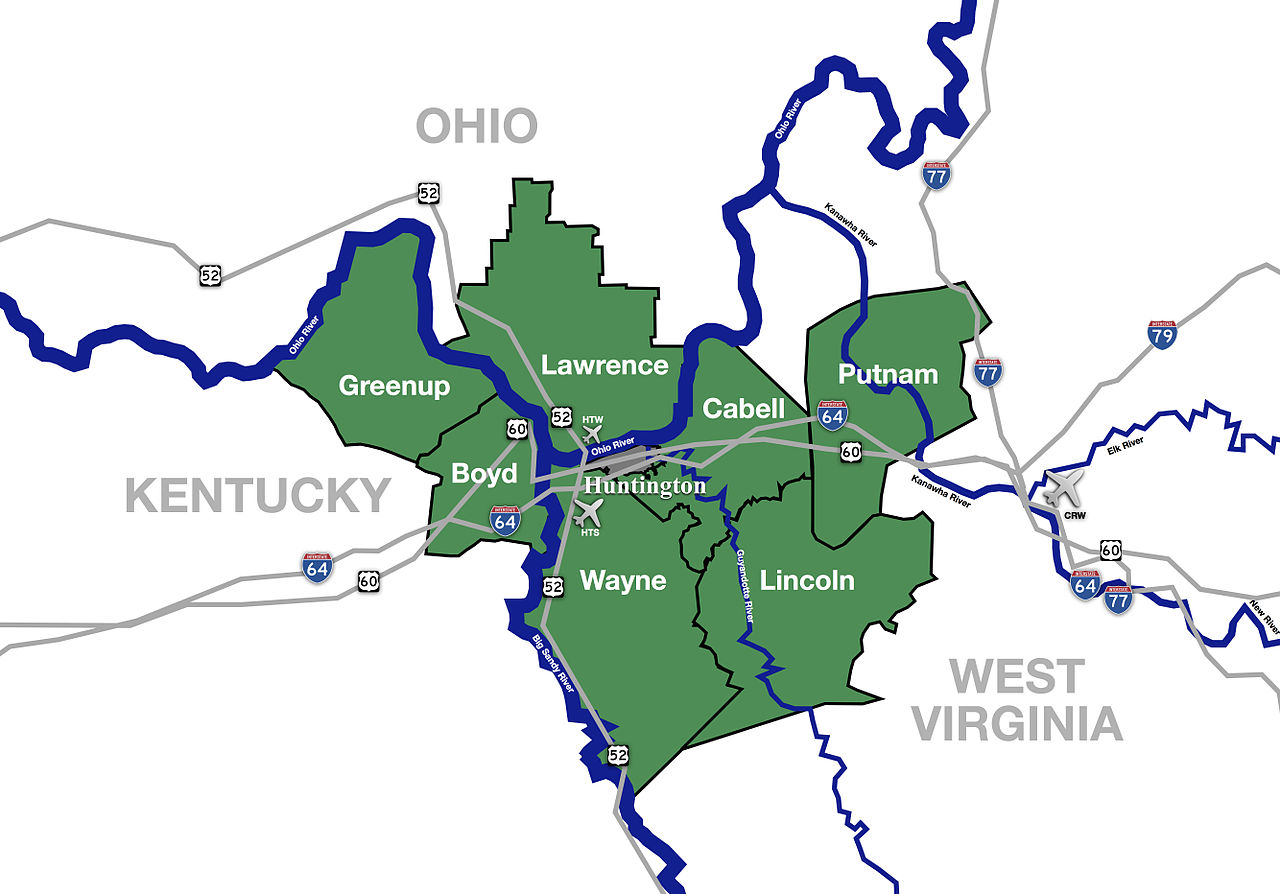
Located in southwestern West Virginia, Lincoln County is characterized by rolling hills, forested ridges and narrow valleys typical of the central Appalachian highlands. The topography shapes settlement and transportation: communities cluster along valley floors and state routes, while upland areas remain largely wooded. Forests support timber production, wildlife habitat and recreational uses such as hiking and hunting. Regional context and broader geographic summaries can be found through state and regional overviews (regional information).
History and development
Formed shortly after the Civil War, Lincoln County was carved from portions of neighboring counties and named for the 16th U.S. president. In the late 19th and 20th centuries local development relied on agriculture, timber, and coal and other extractive work. These industries helped shape communities, transportation links and cultural life; subsequent decades brought economic adjustments as markets and technologies evolved.
Economy, services and culture
The county economy today is mixed and primarily rural, including small-scale farming, forestry, local services, and remaining industrial and extractive employers. Community life reflects Appalachian traditions: church activities, volunteer organizations, local fairs and music are central to social networks. Public services are concentrated in Hamlin, where the courthouse, county offices and civic institutions are located; historical records and official contacts are typically routed through county offices and the seat (county seat records).
Government, education and transportation
Local government is administered at the county level, with elected officials overseeing schools, roads and basic services. Public education is provided through the county school system, serving small towns and outlying communities. Transportation is dominated by state and local roads that follow valleys and connect hamlets; access to larger regional centers depends on these routes and on nearby regional highways.
Recreation and community life
Outdoor recreation—hunting, fishing, hiking and scenic drives—remains important for residents and visitors. Small towns maintain community festivals and seasonal events that preserve local heritage. For more detailed demographic, historical or planning information consult federal and state data portals and local historical groups (census, county pages, Lincoln-related sources).
- County seat: Hamlin.
- Established: 1867; named for Abraham Lincoln.
- Population reference: 2010 census (data).
- Further resources: county resources, state overview, regional information, county seat records.
Related articles
Author
AlegsaOnline.com Lincoln County, West Virginia Leandro Alegsa
URL: https://en.alegsaonline.com/art/58155
Sources
- quickfacts.census.gov : "State & County QuickFacts"
- naco.org : "Find a County" · archive.org · archive.org