
Lincoln County, Wisconsin
Lincoln County is a rural county in north-central Wisconsin with Merrill as its county seat, known for forests, outdoor recreation, and a small, dispersed population (28,867 in 2010).
Overview
Lincoln County is a predominantly rural county in north-central Wisconsin. The county seat and largest city is Merrill. According to the 2010 census the population was 28,867, and the area is characterized by low population density, extensive woodlands, and numerous lakes and rivers. The county serves as a regional center for natural-resource based industries and outdoor tourism.
Image gallery
2 Images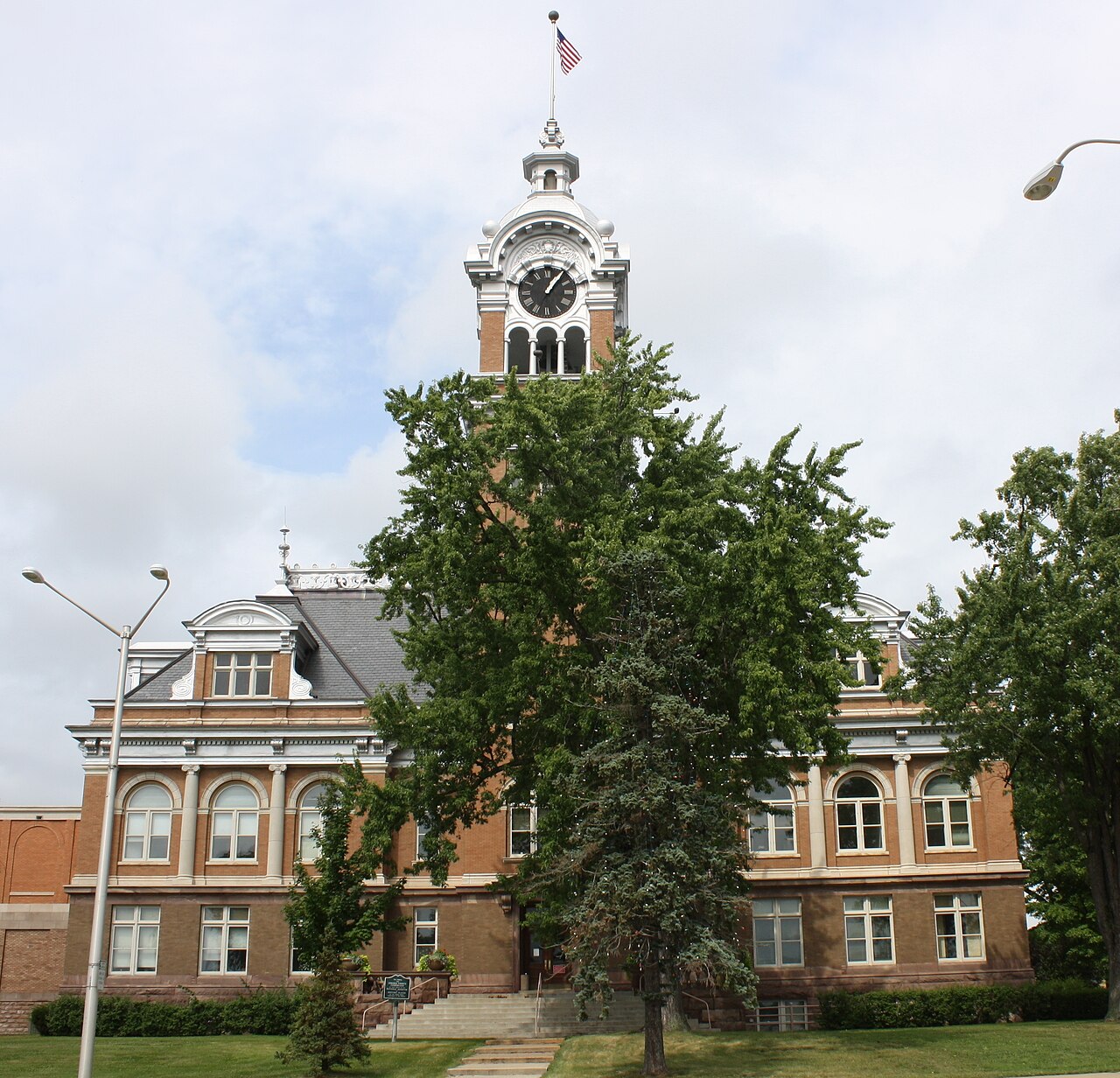

Geography and environment
The landscape is a mix of mixed hardwood and conifer forests, wetlands, lakes and river corridors. These natural features support wildlife habitat and seasonal recreation such as fishing, boating, hunting and snowmobiling. The presence of multiple waterways has shaped settlement patterns, local transport routes and recreational use.
History and name
Lincoln County was organized in the late 19th century during a period of settlement and development across northern Wisconsin. Its name honors President Abraham Lincoln, as do several other U.S. counties. Early economic activity centered on timber harvesting and logging, which attracted workers and led to the growth of small towns and service centers.
Economy and recreation
The county economy combines natural-resource industries, light manufacturing and services that support residents and tourists. Forestry and wood products have been historically important, and today outdoor recreation—fishing, snowmobiling, ATV riding, and lake tourism—contributes to local business. Seasonal events and parks draw visitors from the region.
Government and communities
Local government is headquartered in Merrill, which provides county services, courts and administrative offices. Smaller towns and townships across the county handle local affairs in more dispersed communities. Public resources emphasize land management, road maintenance and recreational facilities.
Notable facts and distinctions
- Rural character: Low population density with substantial undeveloped forest land.
- Outdoor focus: Lakes, trails and winter sports are central to local recreation and tourism.
- Historic economy: Timber and related industries shaped early growth and infrastructure.
For additional official information, maps and services consult county and state resources: official state and local pages.
Related articles
Author
AlegsaOnline.com Lincoln County, Wisconsin Leandro Alegsa
URL: https://en.alegsaonline.com/art/58156