
Limoges: French city famed for porcelain, enamels and oak cooperage
Limoges is a city in west-central France, capital of Haute-Vienne and the historic Limousin. It is internationally known for its enamelwork, 19th‑century porcelain industry and oak used in wine and spirit barrels.
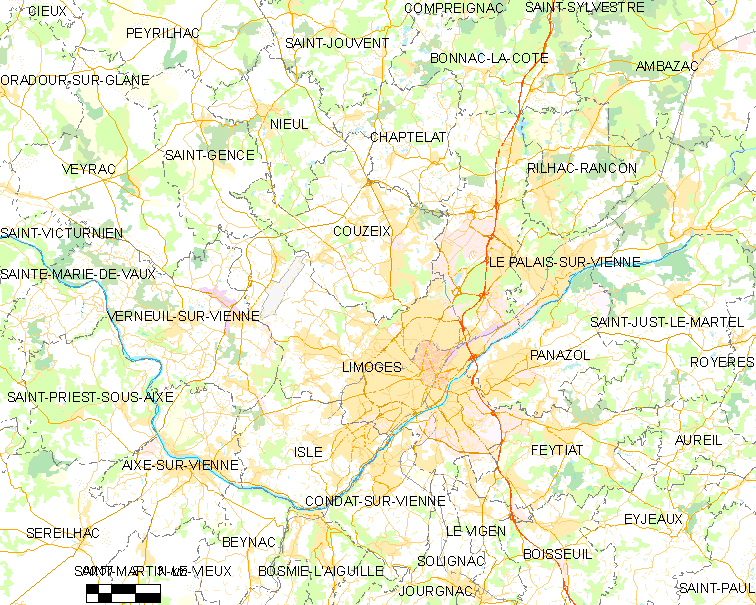
Limoges is a city in west‑central France that serves as the administrative centre of the Haute‑Vienne department and as the historic capital of the former Limousin region. Located inland from the Atlantic coast, it grew from an early settlement into a regional market and artisanal hub. The name is often rendered in the local Occitan language; the town’s cultural identity is closely tied to fine craftwork and to the forests and rivers of the surrounding countryside.
Image gallery
10 Images




Artisanal industries and reputation
Limoges is best known for three related crafts: medieval and Renaissance enamel on metal, high‑quality porcelain developed in the 18th–19th centuries, and oak coopering. Enamelled objects and painted porcelain have been produced and exported for centuries and are collected worldwide. The city hosts museums and workshops that preserve techniques for firing, gilding and hand‑painting, while nearby Limousin oak is prized by winemakers and spirits producers for barrel staves.
City features and institutions
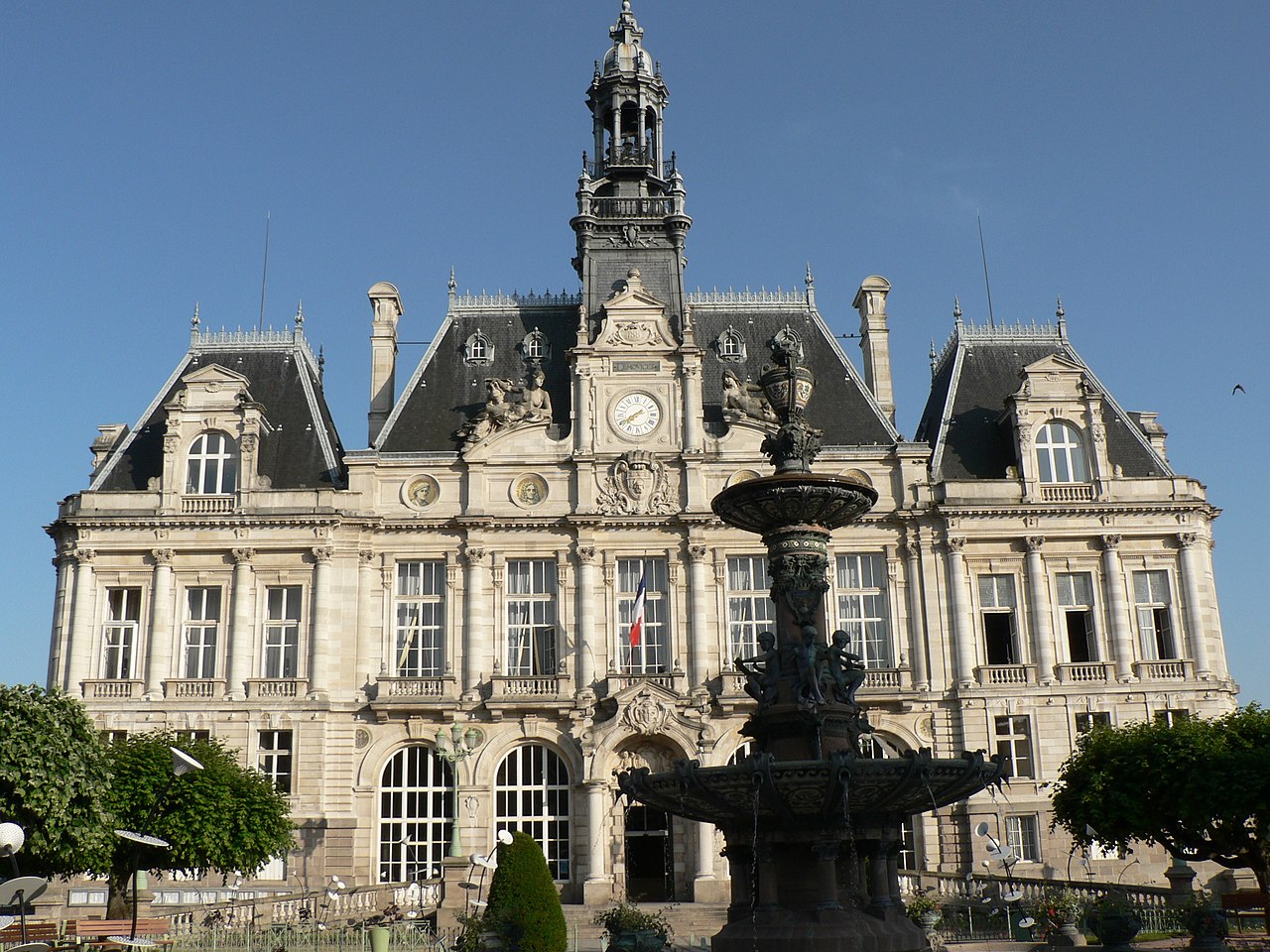
The historic centre contains religious and civic buildings, artisan quarters and a railway station noted for its distinctive architecture. Limoges has cultural institutions dedicated to decorative arts and to regional history, as well as contemporary galleries and craft schools that continue the production and teaching of enamel and porcelain techniques. The urban area also supports education and research, including a university that contributes to the local economy.
History and development
Archaeological and documentary evidence shows that the site has been inhabited since antiquity and developed as a local administrative and commercial centre in the medieval period. From the Middle Ages onward Limoges became renowned for its metalwork and enamels; later, geological deposits and industrialization encouraged the growth of porcelain manufacture. Over time the city combined artisanal prestige with modern services and light industry.
Uses, importance and notable distinctions
Objects labelled as Limoges porcelain or Limoges enamel are often associated with high craftsmanship and decorative elegance. The Limousin oak that supplied barrel makers in the region remains an important material for cooperage used by producers of Cognac, Bordeaux wines and other spirits. Tourism linked to museums, workshops and historic streets complements a local economy that mixes craft, culture and education.
Further information and resources
- Occitan names and local language
- Administrative status of communes
- Prefectural functions and regional roles
- Prefecture details and civic administration
- Haute‑Vienne department overview
- Departmental organisation and services
- History of the Limousin region
- Geography of west‑central France
- Arrondissement and local divisions
- Porcelain manufacture and history
- Limousin oak and forestry
- Cooperage and barrel use in wine and spirits
Questions and answers
Q: Where is Limoges located?
A: Limoges is located in west-central France, in the Haute-Vienne department and the historical capital of the old Limousin region.
Q: What is Limoges known for?
A: Limoges is known for its medieval and Renaissance enamels on copper, 19th-century porcelain, and oak barrels used for Cognac and Bordeaux production.
Q: What language do people speak in Limoges?
A: People in Limoges primarily speak Occitan (Lemòtges or Limòtges).
Q: What type of products are made from oak barrels produced in Limoges?
A: Oak barrels produced in Limoges are used to make Cognac and Bordeaux.
Q: Is there a particular type of art associated with the city of Limoges?
A: Yes, there is a particular type of art associated with the city of Limoges - medieval and Renaissance enamels on copper.
Q: What is the capital city of Haute-Vienne department?
A: The capital city of Haute-Vienne department is also the historical capital of the old limousin region -Limoges.
Related articles
Author
AlegsaOnline.com Limoges: French city famed for porcelain, enamels and oak cooperage Leandro Alegsa
URL: https://en.alegsaonline.com/art/58099
Sources
- ville-limoges.fr : "Elected officials"
- annuaire-mairie.fr : "Ville de Limoges"
- insee.fr : "Commune de Limoges (87085)"
- map-france.com : "Limoges"
- weatherbase.com : "Limoges, France - Köppen Climate Classification"
- habitants.fr : "Haute-Vienne"
- insee.fr : "Régions, départements, arrondissements, cantons et communes"
- insee.fr : "Unité urbaine de Limoges (87601)"
- insee.fr : "Aire urbaine de Limoges (035)"
- ville-limoges.fr : "Twin cities"