
Limburg (Netherlands)
Southernmost Dutch province with capital Maastricht, known for its hills, distinct Limburgish dialects, Roman roots, coal-mining past, Carnival traditions and regional foods such as vlaai and Limburger cheese.
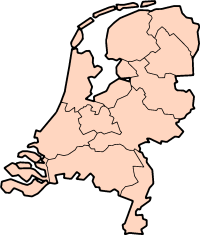
Limburg is the southernmost province of the Netherlands. Its capital is Maastricht, a city with a history stretching back more than two millennia. The province is home to about 1,116,000 residents (2021) and occupies a long, narrow strip of land that borders Belgium and Germany. For other uses of the name see Limburg (disambiguation).
Image gallery
10 Images






Geography and landscape
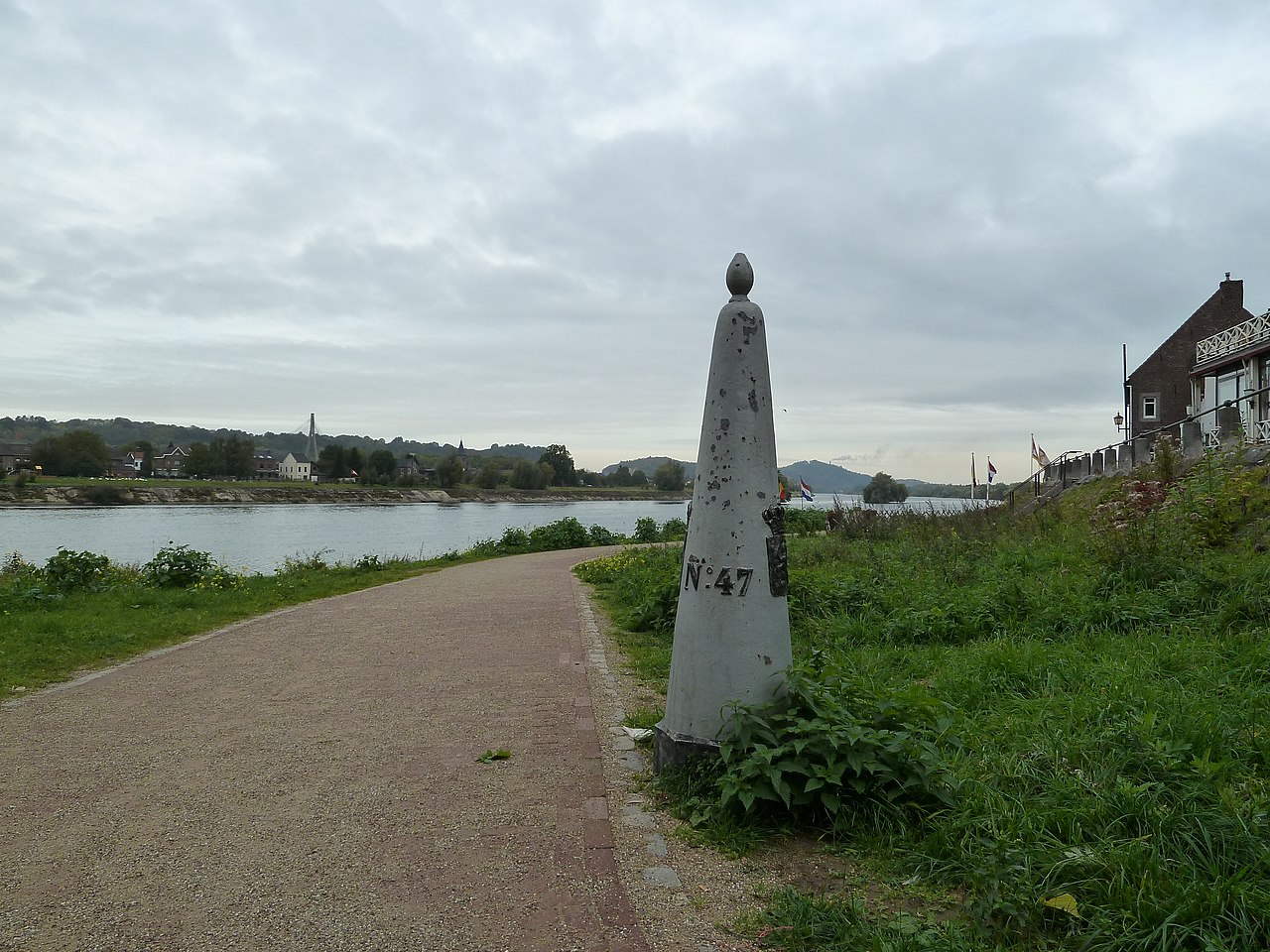
Limburg stands out in the Dutch context because of its varied topography. Much of the Netherlands is flat, but Limburg contains rolling hills and wooded ridges; the highest point in the country, the Vaalserberg (around 322 metres above sea level), is located here. The River Meuse (Maas) flows through the province, shaping river valleys and historic settlement patterns. These features give Limburg a different character from most other Dutch provinces and make it a focal point for domestic tourism and outdoor recreation. See also the province as a unit of regional administration: province of Limburg. hilly landscape
History and development
Human occupation in the area of present-day Limburg goes back to antiquity; Maastricht began as a Roman settlement and developed over the centuries into an important regional centre. Much later, from the nineteenth century until the mid-twentieth century, parts of southern Limburg were an important coal-mining region. The closure of the mines prompted economic restructuring, shifting activity toward industry, services and cross-border commerce with neighbouring Belgium and Germany.
Culture, language and traditions
Limburg has a distinctive cultural identity within the Netherlands. Dutch is the official language, but a range of regional varieties collectively referred to as Limburgish dialects are widely spoken and form an important part of local identity; they show clear German influences and some French influences because of the province's borderland position. The region is also well known for its lively Carnival celebrations, which blend religious and folk customs and attract many visitors each year.
Economy, food and notable places
Present-day Limburg combines agriculture, manufacturing, services, cross-border trade and tourism. The local cuisine includes specialties that reflect both Dutch and regional taste traditions. Two well-known food items associated with the area are the fruit-filled tart called vlaai and the pungent Limburger cheese; these are part of the province's gastronomic reputation. Limburger cheese
- Major towns: Maastricht (capital), Heerlen, Sittard-Geleen, Roermond.
- Cultural highlights: historic Maastricht centre, regional museums, Carnival events.
- Natural features: Vaalserberg, Meuse (Maas) valley, wooded hills and cycling routes.
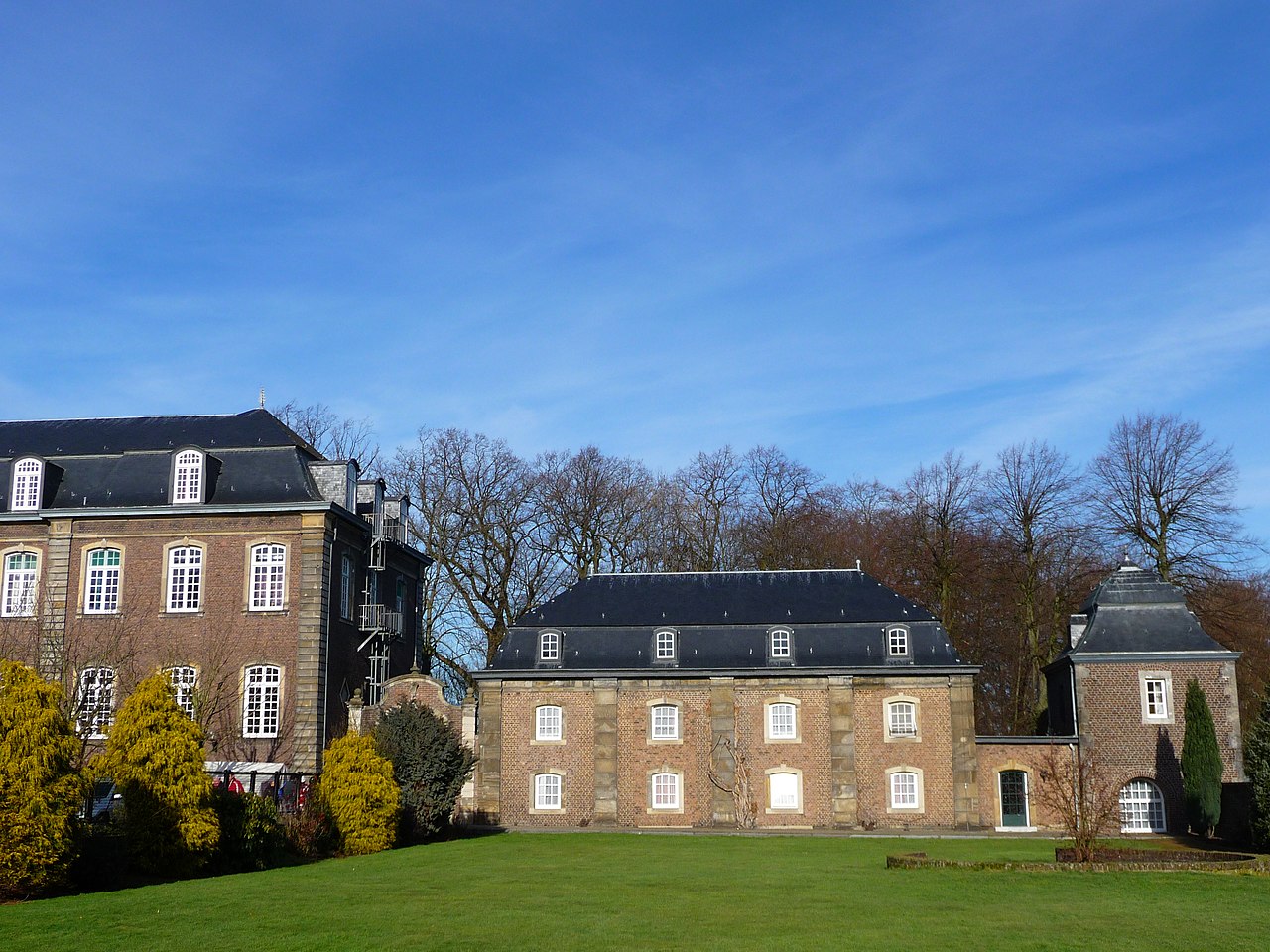
Limburg's location at the crossroads of the Low Countries and the Rhineland has fostered cross-border connections and a mixed cultural heritage. Visitors and residents alike experience a province whose landscape, language and food set it apart within the broader Dutch context, while its cities—most notably Maastricht—showcase layers of Roman, medieval and modern history. The province is administered as a Dutch province with its capital and institutions; the designation capital identifies Maastricht's administrative role within the region.
For readers who want concise factual summaries or further reading, resources summarizing provincial structure and local dialects are useful starting points: consult official provincial pages and overviews of the Dutch language situation in regional contexts.
Related articles
Author
AlegsaOnline.com Limburg (Netherlands) Leandro Alegsa
URL: https://en.alegsaonline.com/art/58067