
Liliales — order of flowering plants
Liliales are an order of monocot flowering plants that includes lilies and related families. They feature often showy, six-part flowers, bulbous or rhizomatous growth, complex taxonomy and important horticultural uses.
Overview
Liliales is an order of monocot flowering plants that brings together a variety of herbaceous species, many of which are familiar as ornamental garden and cut-flower plants. The group is best known for members with showy blooms commonly called lilies, but the order also includes less conspicuous herbs and plants with a range of growth forms such as bulbs, rhizomes and tubers.
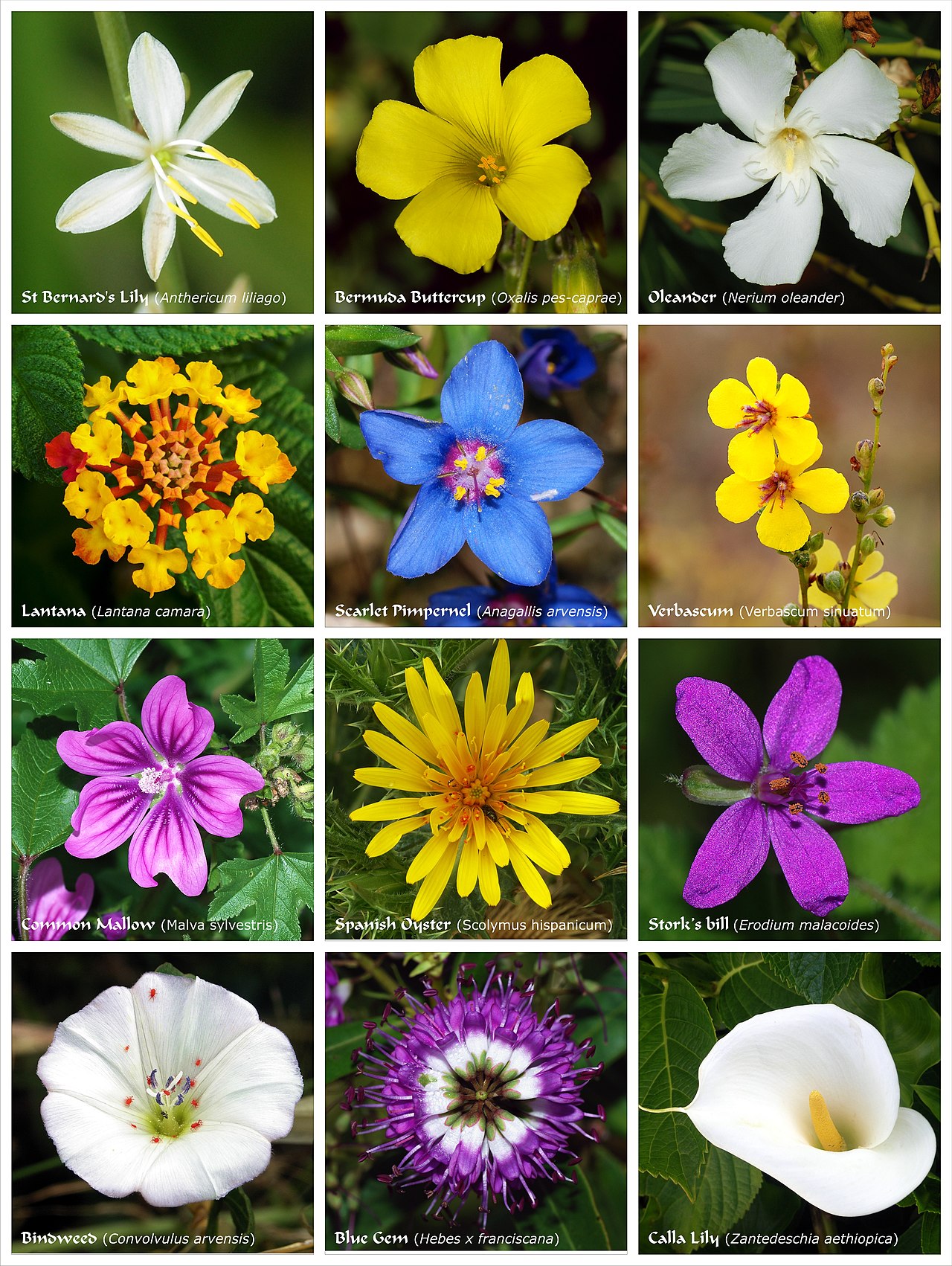
Image gallery
10 Images




Characteristics
Although members are diverse, several traits occur frequently across the order. Many species exhibit:
- Monocot features such as parallel-veined leaves and floral parts arranged in threes.
- A petaloid perianth composed of undifferentiated tepals rather than distinct petals and sepals.
- Floral symmetry that is often radially symmetric and prominently colored or scented to attract pollinators.
History and classification
The circumscription of Liliales has been unstable in botanical history. Traditional systems grouped many superficially similar monocots into a broad Liliaceae, but molecular phylogenetic studies in the late 20th and early 21st centuries led to substantial reshuffling. Modern classifications restrict the classical Liliaceae and distribute some former members into other orders and families. The family Liliaceae remains central to the order’s identity, but delimitation at family and genus level continues to be refined as genetic data accumulate.
Distribution and ecology
Species assigned to Liliales occur across temperate and tropical regions worldwide. Many are adapted to seasonal climates and survive via underground storage organs. They occupy habitats ranging from woodlands and grasslands to alpine and coastal zones. Pollination syndromes vary — insects such as bees, butterflies and moths are common pollinators, and some species exhibit specialized relationships with particular pollinator groups.
Uses, importance and notable facts
Members of Liliales have long been cultivated for their ornamental value; horticulture and the cut-flower trade rely heavily on species and hybrids for color, form and fragrance. Some taxa have traditional uses in local medicines and cultural practices. A widely noted conservation and safety issue is that several popular garden lilies are toxic to domestic cats, causing severe renal damage if ingested. Ongoing botanical research continues to clarify evolutionary relationships and inform conservation priorities for rare or threatened species.
Related articles
Author
AlegsaOnline.com Liliales — order of flowering plants Leandro Alegsa
URL: https://en.alegsaonline.com/art/58020