
Levee: history, types, construction and role in flood control
A levee (or levée) is an embankment built naturally or artificially along waterways or coasts to reduce flooding. This article explains types, construction, history, uses and notable examples.
Overview
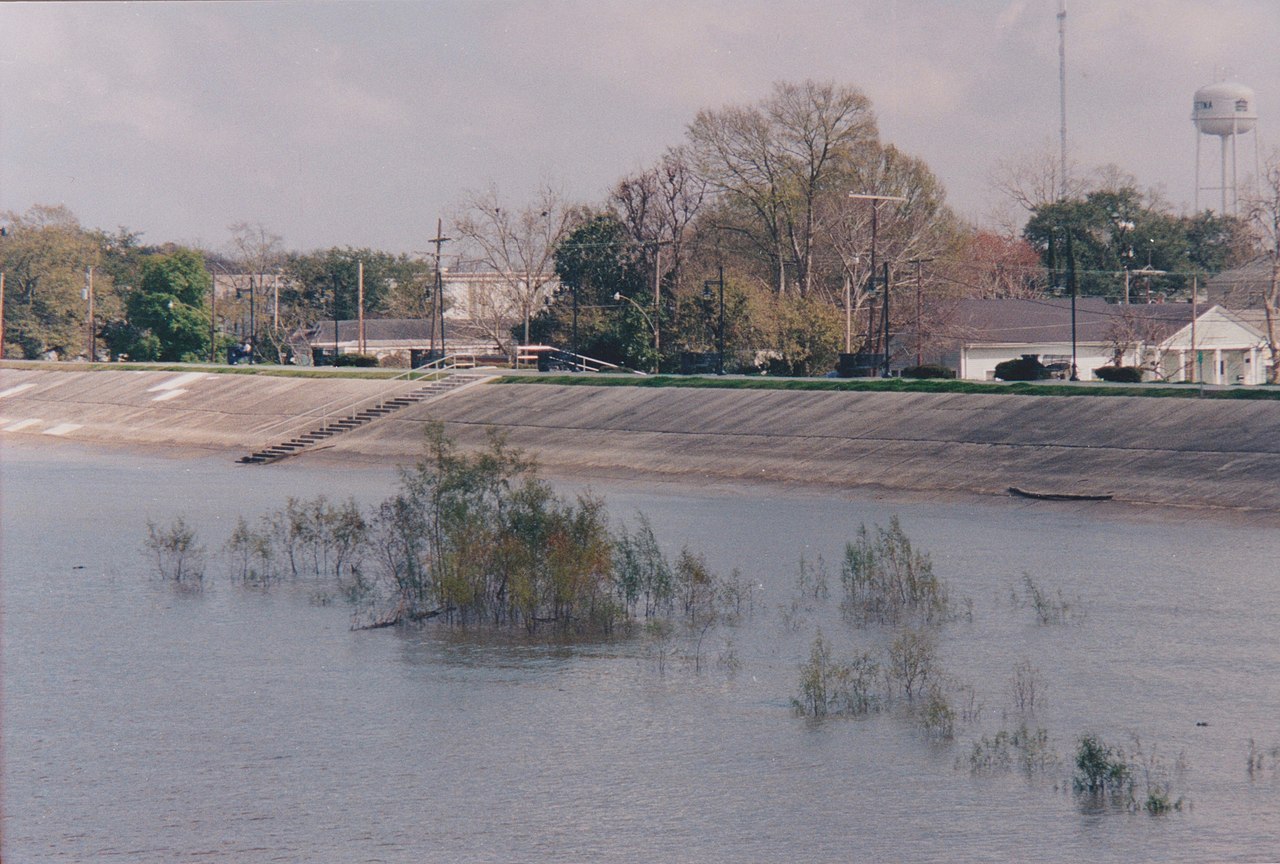
A levee, also spelled levée and sometimes called a floodbank, dyke or stopbank, is a raised embankment that runs alongside a river, tidal area or other body of water to help control flooding. Levees may be formed naturally by sediment deposition during repeated floods or constructed by people using earth, rock, concrete or other materials. Their primary purpose is to reduce the frequency and severity of inundation of adjacent land, protecting people, infrastructure and agricultural areas.
Image gallery
5 Images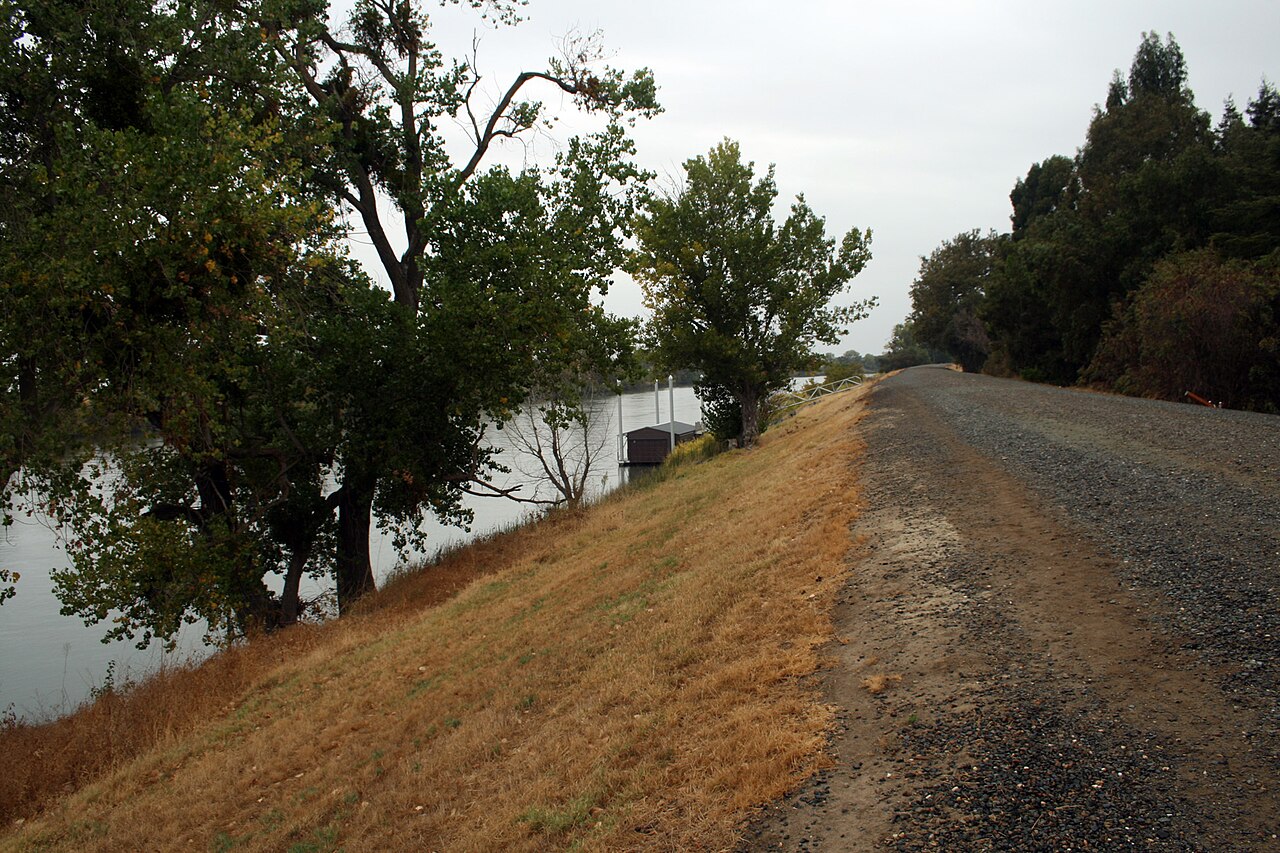


Types and basic components
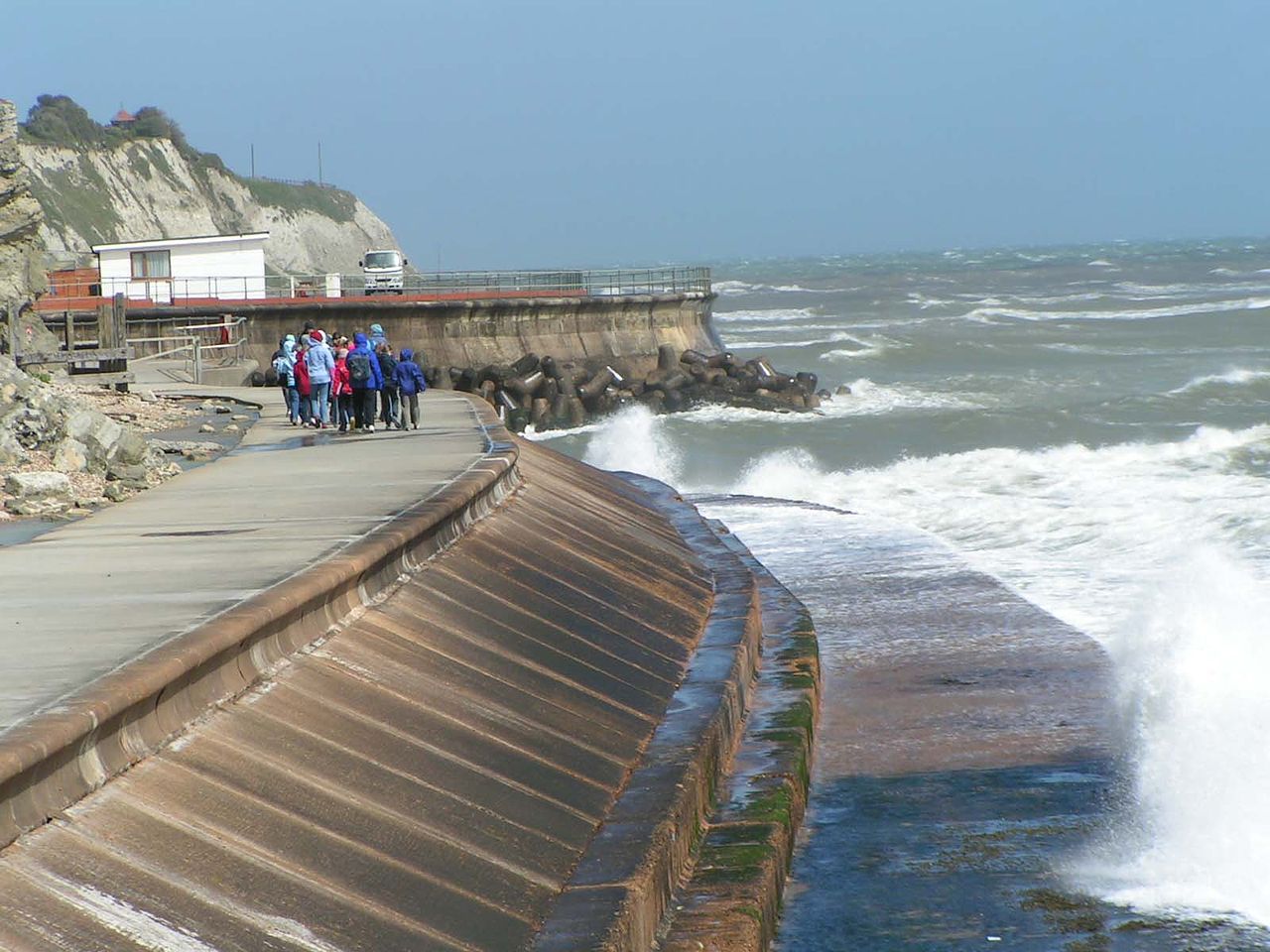
Levees are commonly grouped by location and design. River levees follow the channel of a river, while coastal or seadykes defend against tidal surges and sea-level forces. Typical parts of a levee system include the core embankment, an engineered foundation or toe, a crest and slopes, and sometimes protective layers such as rock armoring or vegetation to limit erosion. Simple lists of common types and elements include:
- Natural levees: raised banks formed by sediment deposited during floods.
- Artificial levees: purpose-built earthworks or concrete walls.
- Floodwalls: rigid barriers often used where space is limited.
- Setback levees: placed further from a river to create a floodplain buffer.
History and development
Human construction of levees dates back to some of the earliest river civilizations. Large earthen embankments for irrigation and flood protection were employed in antiquity in regions such as Mesopotamia and in the Nile valley of ancient Egypt. In medieval and later Europe people advanced coastal defenses; users sometimes credit early seadyke work to regions of what is now the Netherlands, where organized water management developed early on—one often cited origin point is Holland. Many Dutch towns, including Rotterdam, depend on such works because substantial areas are at or below sea level.
The English word comes from French: levée derives from the verb lever, meaning "to raise." The alternative term dyke or dike comes from Dutch. The term entered English usage in places such as New Orleans, which historically used levees along the Mississippi.
Uses, management and limits
Levees are central to flood control strategies. They protect cities, ports, agriculture and transportation corridors, and are often combined with pumps, gates and tidal barriers in integrated systems. However, levees can give a false sense of security: if overtopped or breached, downstream flooding can be severe. Levee-building also alters natural floodplains and sediment transport, with ecological and maintenance consequences.
Modern programs emphasize risk-based design, regular inspection and maintenance, and consideration of alternatives such as room-for-the-river approaches or movable barriers. Examples of engineered complements to levees include large movable installations like the Thames Barrier and managed flood storage areas.
Notable examples and distinctions
Prominent levee systems and related structures illustrate different approaches. In low-lying urban regions famous for levee networks are areas below sea level protected by dykes and pumps. The transformation of the Lower River Thames from marshland into a controlled tidal channel required extensive embankments and later the flood barrier; the historic marshes were once described as malarious before reclamation efforts. The forces that levees resist include river floods, rainfall runoff and coastal storms driven by the North Sea and other storm systems.
Further reading and resources
Understanding levees involves engineering, history, environmental science and community planning. For technical guidance, historical context and local case studies, consult engineering manuals and regional flood management authorities. See also general water management topics and specific regional pages for additional examples and policy summaries (materials and soil types, alignment and siting, river system interactions, and program descriptions at local agencies: Holland, Rotterdam, or New Orleans authorities).
Related articles
Author
AlegsaOnline.com Levee: history, types, construction and role in flood control Leandro Alegsa
URL: https://en.alegsaonline.com/art/57550