
Lesser Poland Voivodeship (Małopolska): geography, history and cultural significance
Lesser Poland Voivodeship (Małopolska) is a southern Polish province centred on Kraków, known for its mountains, historic sites, and cultural heritage. Created in 1999, it blends urban, rural and protected landscapes.
Overview
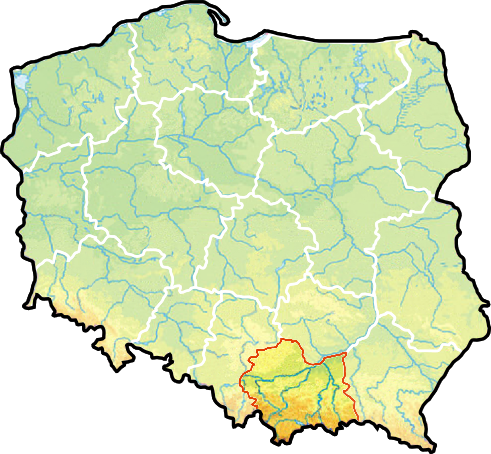
Lesser Poland Voivodeship (Polish: Małopolskie, commonly Małopolska) is an administrative region in southern Poland. Established on 1 January 1999 during a nationwide administrative reform, it corresponds in part to the historic region known as Lesser Poland. The voivodeship is a voivodeship or province with an area of roughly 15,100 square kilometres and a population of about 3.2 million people based on early 21st-century counts. Its capital and largest city is Kraków, long regarded as a major cultural, academic and economic centre.
Image gallery
10 Images




Geography and natural features
The region includes a varied landscape that ranges from uplands and limestone hills to high mountain ranges. Natural boundaries include the Świętokrzyskie Mountains to the north, the broad limestone hills of the Jura Krakowsko-Częstochowska to the west and a series of Carpathian ranges to the south. In the southern part of the voivodeship the land rises into the Tatra (Tatras), Pieniny and Beskidy mountains, which form a scenic and ecological transition toward Slovakia. Rivers—most notably the Vistula—cross the region and have shaped its valleys and settlement patterns. The voivodeship contains several national parks and protected areas popular with hikers and naturalists.
History and development
Małopolska is both a present-day administrative unit and a historic province whose roots go back to the medieval Polish state. Over centuries the area played a central role in Polish political and cultural life, with Kraków serving as a royal capital and intellectual hub. The modern voivodeship created in 1999 brought together territories from earlier administrative divisions and aimed to reflect historic ties while improving regional governance. The long history of settlement is visible in medieval towns, fortified sites and a layered architectural heritage.
Administrative structure and major cities
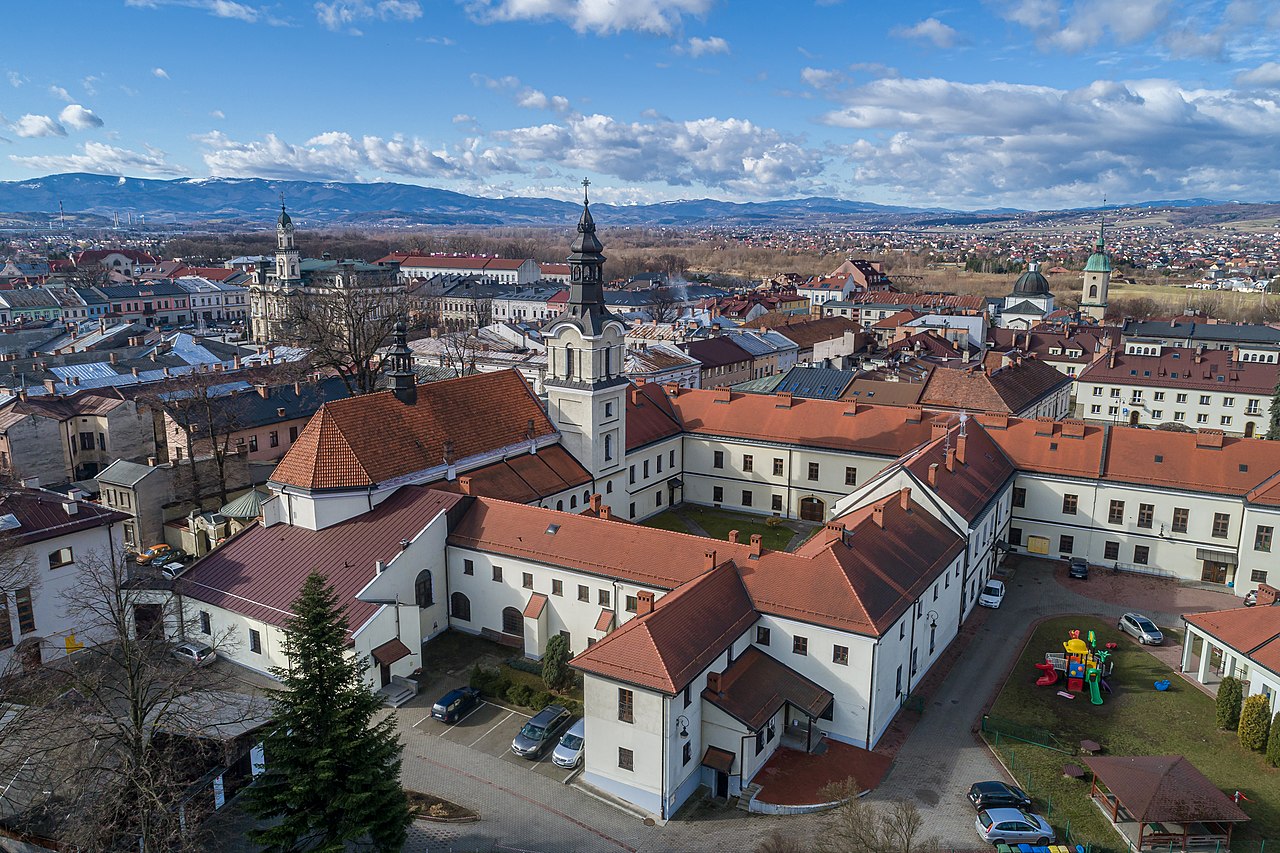
The voivodeship is subdivided into counties and communes administered from county towns and districts. Besides the capital Kraków, important urban centres include Tarnów, Nowy Sącz and Oświęcim; each contributes to industry, services and regional culture. The province borders several other administrative regions: to the west the Silesian Voivodeship, to the north the Świętokrzyskie Voivodeship and to the east the Subcarpathian area. It also shares an international boundary: to the south it meets the neighbouring country of Slovakia, reflecting cross-border cultural and economic ties. The voivodeship's situation near other neighboring countries and regions has influenced transport, tourism and trade.
Economy, culture and tourism
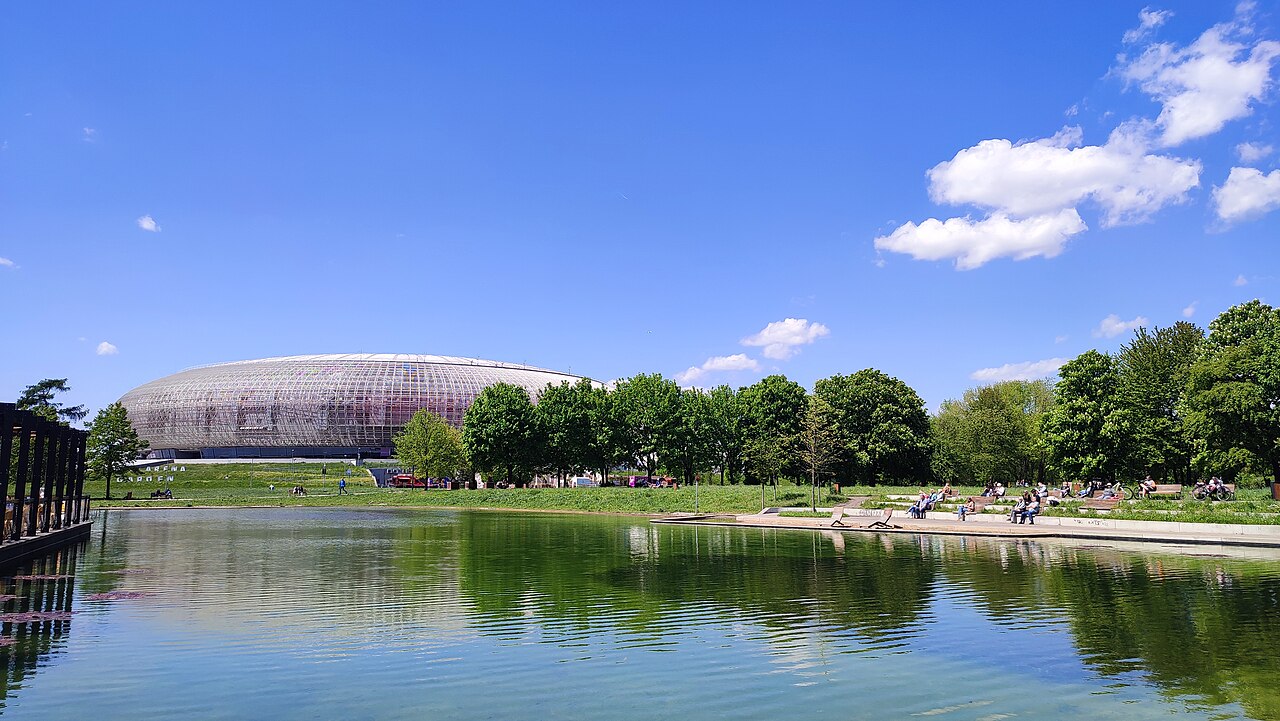
Lesser Poland combines urban economic activity—education, services, light manufacturing—with rural agriculture and mountain tourism. Kraków houses major universities and cultural institutions that attract students and visitors from across Europe. The region contains world-famous cultural and historical attractions, including Kraków's Old Town and medieval sites, the Wieliczka Salt Mine and memorial sites connected with the Second World War. Protected parks and mountain resorts support outdoor recreation in summer and winter. Local traditions, crafts and regional cuisine contribute to a distinct cultural identity that remains important to residents and visitors alike.
Notable facts and distinctions
- The voivodeship overlaps with the historic province of Lesser Poland, which played a formative role in Polish history.
- It includes parts of important mountain systems and several national parks, making it a centre for biodiversity and mountain tourism.
- Cultural and educational institutions in Kraków link the region to long traditions of scholarship and the arts.
- Its border with Slovakia and proximity to other regions supports cross-border cooperation and regional transport corridors.
For further reading on administrative arrangements, cultural sites and natural attractions consult regional guides and official voivodeship resources via the links above.
Related articles
Author
AlegsaOnline.com Lesser Poland Voivodeship (Małopolska): geography, history and cultural significance Leandro Alegsa
URL: https://en.alegsaonline.com/art/57458
Sources
- serwistlumacza.com : Tłumaczenie polskich nazw geograficznych na język angielski
- commons.wikimedia.org : Lesser Poland Voivodeship