
Świętokrzyskie Voivodeship
A voivodeship in south-central Poland centered on the city of Kielce. Named for the Świętokrzyskie (Holy Cross) Mountains, it is known for its natural parks, historic sites and regional culture.
Overview
The Świętokrzyskie Voivodeship is one of the sixteen principal administrative regions of Poland. Its name is derived from the Świętokrzyskie (Holy Cross) Mountains that run through the area; the regional capital and largest city is Kielce. The voivodeship blends low mountains, river valleys and agricultural plains, forming a distinct part of south-central Poland.
Image gallery
10 Images




Geography and natural features
The landscape is dominated by the ancient Świętokrzyskie range, noted for its rounded hills, forests and rock formations. Several protected areas conserve local flora and fauna, and the region is a destination for hiking, geology and rural tourism. The name recalls a medieval religious tradition centered on relics kept at a monastery on Łysa Góra.
Administration and cities
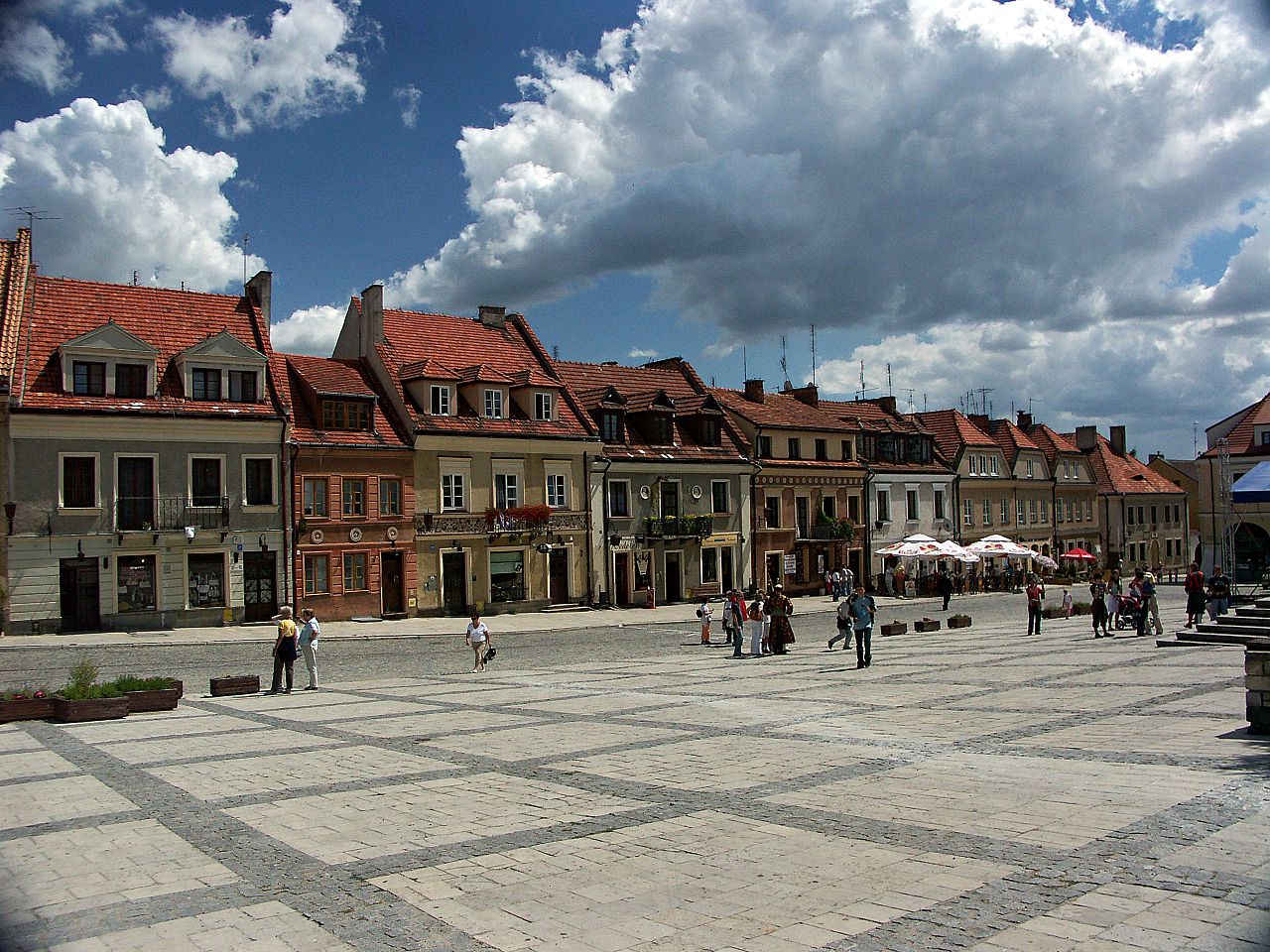
Kielce serves as the voivodeship's administrative, cultural and economic hub. Beyond the capital, the region includes a number of smaller towns and municipalities that maintain historic centres, churches and market traditions. Local government is organized according to the Polish system of voivodeships, counties and communes.
Economy and culture
The regional economy combines agriculture, light industry, services and growing tourism tied to nature and heritage sites. Crafts, regional cuisine and festivals preserve the area's cultural identity. Museums and cultural institutions in Kielce and other towns document the region's geology, folk art and historical development.
History and significance
The Świętokrzyskie area has deep historical roots reaching back to medieval times, when monasteries, trade routes and early industrial activity shaped settlement. Modern administrative boundaries were set in a nationwide reform at the end of the 20th century, creating the present voivodeship unit.
Notable facts
- The voivodeship takes its name from the nearby Świętokrzyskie Mountains, often translated as "Holy Cross".
- Its capital, Kielce, is the principal centre for education, culture and regional services.
- Protected parks and historic sites make the region important for conservation and tourism.
For travelers or researchers, the voivodeship offers a mix of natural landscapes, historical architecture and local traditions representative of Poland's central-southern interior.
Related articles
Author
AlegsaOnline.com Świętokrzyskie Voivodeship Leandro Alegsa
URL: https://en.alegsaonline.com/art/95513