
Les Troyens: Berlioz’s epic French opera in five acts
Les Troyens is an ambitious five-act French opera by Hector Berlioz, based on Virgil's Aeneid. Composed 1856–1858, famous for its scale, dramatic range, and difficult early performance history.
Overview
Les Troyens (The Trojans) is a grand, five-act opera whose libretto and score were created by Hector Berlioz. Written in French and drawn from the epic poem by Virgil, the work reimagines episodes from the Aeneid, following the fall of Troy and the destiny of Aeneas. The scale, orchestration and dramatic ambition make it one of the most notable large-scale works of 19th-century French music.
Image gallery
10 Images


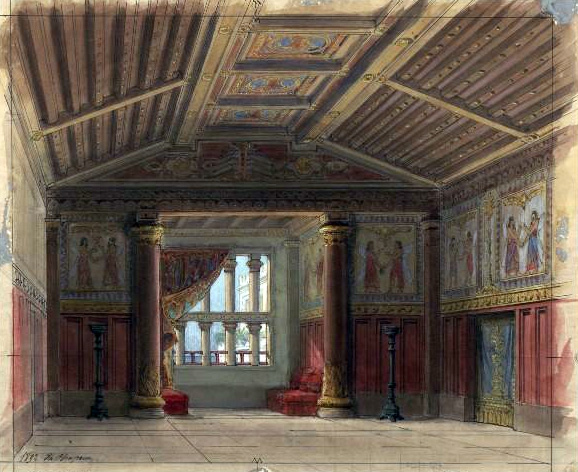
Structure and musical character
The opera is cast in five acts that can be grouped in two broad parts: the Trojan scenes surrounding the sack of Troy, and the later Carthaginian episodes focusing on the doomed love of Dido. Berlioz combines massive choruses, a richly colored orchestra and intimate lyric writing; he uses varied textures and novel timbral effects to depict battle, the supernatural and private emotion.
Composition and early performances
Berlioz composed the text and music between 1856 and 1858. Because of its length and the large performing forces it requires, mounting the complete work proved difficult. A heavily shortened presentation — the final three acts only — was staged in Paris in November 1863 after Berlioz himself reduced the score. The full five-act version was rarely performed in his lifetime and only gradually entered the repertory.
Roles and dramatic scenes
- Aeneas (Enée) — the Trojan hero whose fate drives the narrative
- Dido (Didon) — queen of Carthage and Aeneas’s tragic lover
- Cassandra (Cassandre) — prophetess who foretells Troy’s fall
- Large choruses and numerous secondary figures, representing Trojans, Carthaginians and supernatural forces
Reception and legacy
Initial responses to Les Troyens mixed admiration for Berlioz’s imagination with practical concerns about length and staging. Over the 20th century the opera gained recognition as a masterwork of orchestration, dramatic scope and emotional range. Modern productions increasingly present the full five-act score, and the piece is studied and performed as a landmark of Romantic-era opera.
Notable facts
Among its distinguishing features are the composer’s authorship of both libretto and music, the epic literary source, and the demanding resources required: large orchestra, multiple choruses and varied solo forces. These elements contribute to Les Troyens’ reputation as both an artistic triumph and a logistical challenge for companies and conductors.
Related articles
Author
AlegsaOnline.com Les Troyens: Berlioz’s epic French opera in five acts Leandro Alegsa
URL: https://en.alegsaonline.com/art/57404