
Let It Be (Beatles album)
Let It Be is the Beatles' 1970 album and companion film documenting the Get Back sessions, the rooftop concert, and the group's final public era; notable for Phil Spector's production and later reissue.
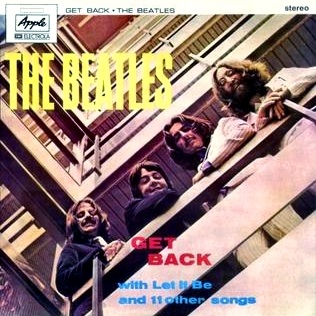
Let It Be is a 1970 album and documentary film associated with the English rock band The Beatles. Conceived as a back-to-basics project originally titled "Get Back," it captures a turbulent moment in the group's career and was released as the final Beatles album during the period when the members were dissolving their partnership.
Image gallery
3 Images

Concept and recording
The project began with the intention to rehearse and record songs in a live, collaborative setting, free of studio overdubs. Sessions were filmed and recorded at Twickenham Film Studios and later at Apple Studios. Friction and changing artistic priorities affected the atmosphere; the material documents both relaxed jams and strained interactions.
Production and versions
After the sessions, producer Phil Spector was brought in to finish the album; he added orchestral and choral overdubs to several tracks, a choice that divided listeners and band members. Decades later, Paul McCartney supervised a stripped-down edition titled Let It Be... Naked, aiming to present the songs closer to their original live-in-studio intent.
Film and rooftop concert
The companion film, directed by Michael Lindsay-Hogg, intercuts rehearsals, recording, and dialogue with the group. It culminates in the famous rooftop concert on the Apple Corps building in London — the Beatles' last public performance — which provided a memorable live sequence for both the film and the record.
Songs and reception
The album includes enduring songs such as "Let It Be," "Get Back," and "The Long and Winding Road," combining newly written numbers and songs developed during the sessions. Contemporary reviews were mixed, with praise for individual performances and criticism aimed at the album's patchwork production. Over time it has been reassessed as an important document of the band's final creative phase.
Legacy
Let It Be remains significant for fans and historians as both a soundtrack and a visual record of the Beatles near the end of their time together. Its multiple versions and the controversy over production choices illustrate broader questions about authorship and the presentation of recorded music. For further context and resources see related entries and archival materials.
References and further reading: official releases and documentary material are useful starting points; for more online resources consult album and film pages linked through the band's authorized sites and archives.
Related articles
Author
AlegsaOnline.com Let It Be (Beatles album) Leandro Alegsa
URL: https://en.alegsaonline.com/art/57476