
Hector Berlioz: French Romantic Composer and Orchestral Innovator
Louis-Hector Berlioz (1803–1869), French Romantic composer noted for bold orchestration, program music (notably Symphonie fantastique), large-scale operas, choral works and influential writings on instrumentation.
Overview
Louis-Hector Berlioz (1803–1869) was a leading French composer of the Romantic era whose imaginative use of orchestral color and programmatic ideas helped redefine nineteenth-century musical expression. His career combined composition, criticism and teaching, and his life and works are summarized in many modern studies; for a concise biographical overview see biographical resources. Best known for vivid narrative works and unusual sonic effects, Berlioz is often cited as one of the most original figures of his time.
Image gallery
10 Images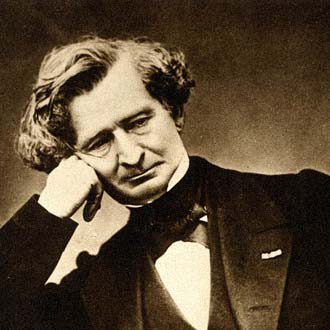


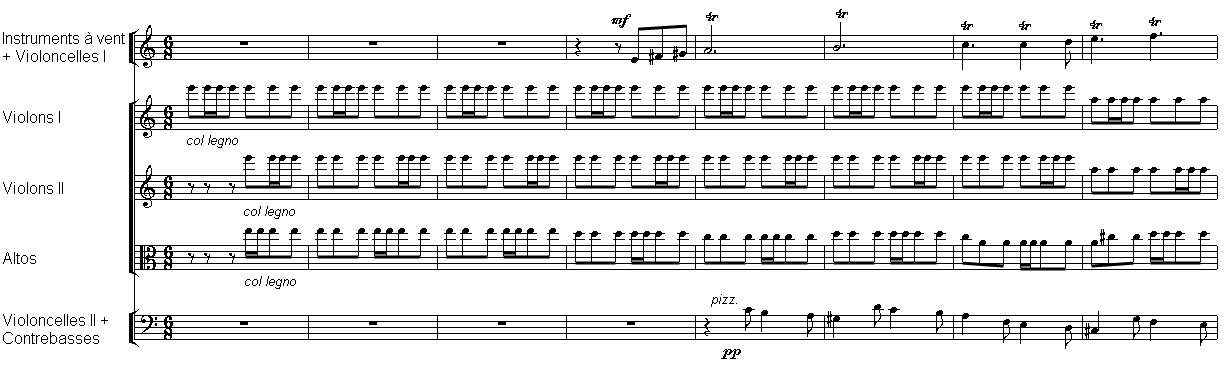
Life and career
Berlioz trained in Paris where he studied medicine briefly before dedicating himself to music. Early recognition included the Prix de Rome, which funded study and travel and exposed him to wider artistic currents. He made his reputation with works that combined literary inspiration and theatrical imagination and supported himself in part as a music critic. His personal life was marked by passionate attachments, most famously his youthful obsession with the actress Harriet Smithson, who later became his first wife; he later married the singer Marie Récio. His memoirs and letters remain important sources for understanding his aims and the musical life of his era; selected editions provide accessible translations and commentary at collected writings.
Musical style and orchestration
Berlioz favored program music—compositions that tell a story or depict an extra-musical idea—and pioneered techniques for projecting dramatic narratives through orchestral means. The idea of an "idée fixe" that recurs and transforms across movements is central to his most famous symphony. He expanded the orchestra both in size and in palette, experimenting with novel combinations of instruments, extended percussion and bold effects to achieve vivid contrasts. His theoretical work on instrumentation, which set out practical advice for timbre and balance, is widely referenced; modern editions and commentary appear in resources such as studies of orchestration.
Major works
- Symphonie fantastique — a five-movement program symphony that uses a recurring theme to portray obsession and dramatic episodes; many analytical essays and scores are available through analytic resources.
- Les Troyens — an ambitious two-part opera drawn from classical epic sources, notable for its scale and dramatic breadth.
- Grande messe des morts (Requiem) — a vast choral and orchestral work often remarked for its powerful use of massed forces.
- Les nuits d'été — a song cycle that reveals a more intimate, lyrical side of Berlioz and is frequently performed both in song recitals and orchestral versions.
- Several overtures and orchestral ballades and program pieces that anticipate later cinematic sound-worlds; recommended recordings and guides can be consulted at recording guides.
Writings, criticism and influence
Beyond composition, Berlioz wrote influential criticism and a detailed treatise on instrumentation that codified many of his practical discoveries. His memoirs offer vivid accounts of his creative aims and the practical challenges he faced. Although reactions in his lifetime ranged from enthusiastic praise to bewildered hostility, his reputation grew after his death; conductors, arrangers and composers of later generations drew on his lessons in color, dramatic pacing and orchestral layout. Scholarly editions, critical commentaries and archival materials are available through institutional catalogues and modern archives: see archive and edition resources.
Reception and listening guide
Berlioz was sometimes controversial in his day but is now widely acknowledged for transforming orchestral technique and programmatic composition. Listeners new to his music often begin with a contrasting trio: the Symphonie fantastique for drama and orchestral invention, selections from Les Troyens for operatic scope, and the song cycle Les nuits d'été for lyricism. For recommended recordings, historical context and further reading consult curated lists and guides at recording guides and introductory reference sites such as analytic resources.
Questions and answers
Q: Who was Louis-Hector Berlioz?
A: Louis-Hector Berlioz was a French composer who lived from 1803 to 1869.
Q: What era of music is Berlioz's music typical of?
A: Berlioz's music is typical of the Romantic period.
Q: What was Berlioz's strength as a composer?
A: Berlioz's strength as a composer was writing for the orchestra.
Q: Was Berlioz a good instrumentalist?
A: No, Berlioz was not particularly good at playing any instrument.
Q: What are some of Berlioz's famous works?
A: Some of Berlioz's most famous works include several orchestral overtures, the Symphonie Fantastique, the opera Les Troyens (The Trojans), the requiem Grande messe des morts and the song cycle Les nuits d'été (Summer Nights).
Q: Was Berlioz considered original as a composer during his lifetime?
A: Yes, Berlioz was very original as a composer.
Q: Was Berlioz's music appreciated during his lifetime?
A: No, Berlioz's music was not fully appreciated until many years after his death.
Related articles
Author
AlegsaOnline.com Hector Berlioz: French Romantic Composer and Orchestral Innovator Leandro Alegsa
URL: https://en.alegsaonline.com/art/120436
Sources
- wikidata.orgQ1151.html : wikidata.orgq1151.html
- authority.bibsys.no : 90150321
- bncatalogo.cl : 000058772
- catalogo.bne.es : XX878400
- catalogue.bnf.fr : cb138914125
- data.bnf.fr : (data)
- cantic.bnc.cat : a10457525
- ci.nii.ac.jp : DA00394449
- d-nb.info : 118509675
- isni.org : 0000 0001 2321 0295
- id.loc.gov : n79091197
- kopkatalogs.lv : 000035026
- culture.gouv.fr : LH/192/74
- musicbrainz.org : 274774a7-1cde-486a-bc3d-375ec54d552d
- id.ndl.go.jp : 00433069