
Let It Be (song)
"Let It Be" is a piano-led ballad by The Beatles, principally written by Paul McCartney; released as a single in March 1970 and as the title track of their Let It Be album.
Let It Be is a song recorded by The Beatles and released as a single in March 1970. Credited to the songwriting partnership Lennon–McCartney, the piece is widely regarded as principally written by Paul McCartney, who described composing it during a difficult period for the group. It appeared in an alternate mix as the title track of the band's album Let It Be, released soon after the single and the theatrical film of the same name.
Image gallery
3 Images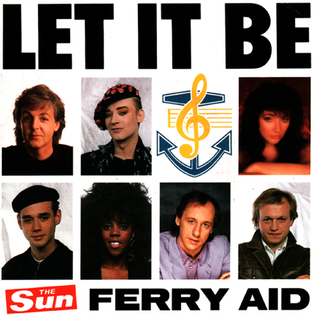

Origins and composition
McCartney has often explained that the phrase and tone of the song came from a comforting dream about his mother, Mary, who died when he was a child. That private, consoling source helped shape a simple, hymn-like melody and lyric that emphasize acceptance and solace. The song's structure is built around a recurring chorus that repeats the title line as a refrain, lending it a singable, anthemic quality.
Recording history and versions
The recording history of "Let It Be" is notable for several distinct mixes. The single released in March 1970 and the version on the Let It Be album differ: producer Phil Spector added orchestral and choral overdubs to the released album mix, while the film includes alternate performances and mixes. In later years, McCartney criticized Spector's embellishments and supervised a stripped-down remaster, reflecting long-standing debate among fans about the song's definitive form.
Musical characteristics
Musically, the piece is piano-led and draws on elements of gospel and pop balladry. Its arrangement typically features piano, electric guitar, bass, drums and layered backing vocals, with a guitar solo in some mixes and orchestral swells in others. The harmonic progression and steady pulse make it accessible for both amateur and professional performers, and its lyrical simplicity contributes to its broad appeal.
Reception, rankings and cultural impact
Upon release, "Let It Be" achieved widespread commercial success, topping charts in multiple countries and becoming one of the last major Beatles singles during the band's active career. The song has been widely covered and used in public performances, memorial services, and benefit concerts because of its consolatory message. In fan and critical rankings it often appears near the top: for example, in the book The 100 Best Beatles Songs: An Informed Fan's Guide it occupies a high place, behind songs such as "Strawberry Fields Forever" and "A Day in the Life".
Notable facts and legacy
"Let It Be" is associated with the close of an era: it was released as the band's final single before Paul McCartney publicly announced his departure, although internal separations had already occurred. Its message of comfort and resignation has helped the song endure in popular culture. It remains a staple in Paul McCartney's solo concert repertoire, appears often in choir and amateur arrangements, and continues to be referenced, covered and commemorated decades after its first release. For further reading on the band, composition and cultural context, see sources linked to the band and principal authors: The Beatles, Paul McCartney, and John Lennon.
- Key versions: single mix (March 1970), album mix with orchestral overdubs, film performance and later stripped-down remasters.
- Common uses: concerts, memorials, charity performances and popular culture tributes.
- Legacy: a widely recognized consolation anthem and one of the signature songs associated with the end of the Beatles' recording career.
Related articles
Author
AlegsaOnline.com Let It Be (song) Leandro Alegsa
URL: https://en.alegsaonline.com/art/57475