
Police officer
A police officer is a member of an organised law enforcement agency who enforces laws, protects people and property, prevents crime, and maintains public order.
A police officer is a sworn member of a police organisation whose duties include enforcing laws, protecting life and property, maintaining public order and providing public service. Officers operate at local, regional and national levels and their exact powers and duties depend on the legal system and agency that employs them.
Image gallery
9 Images
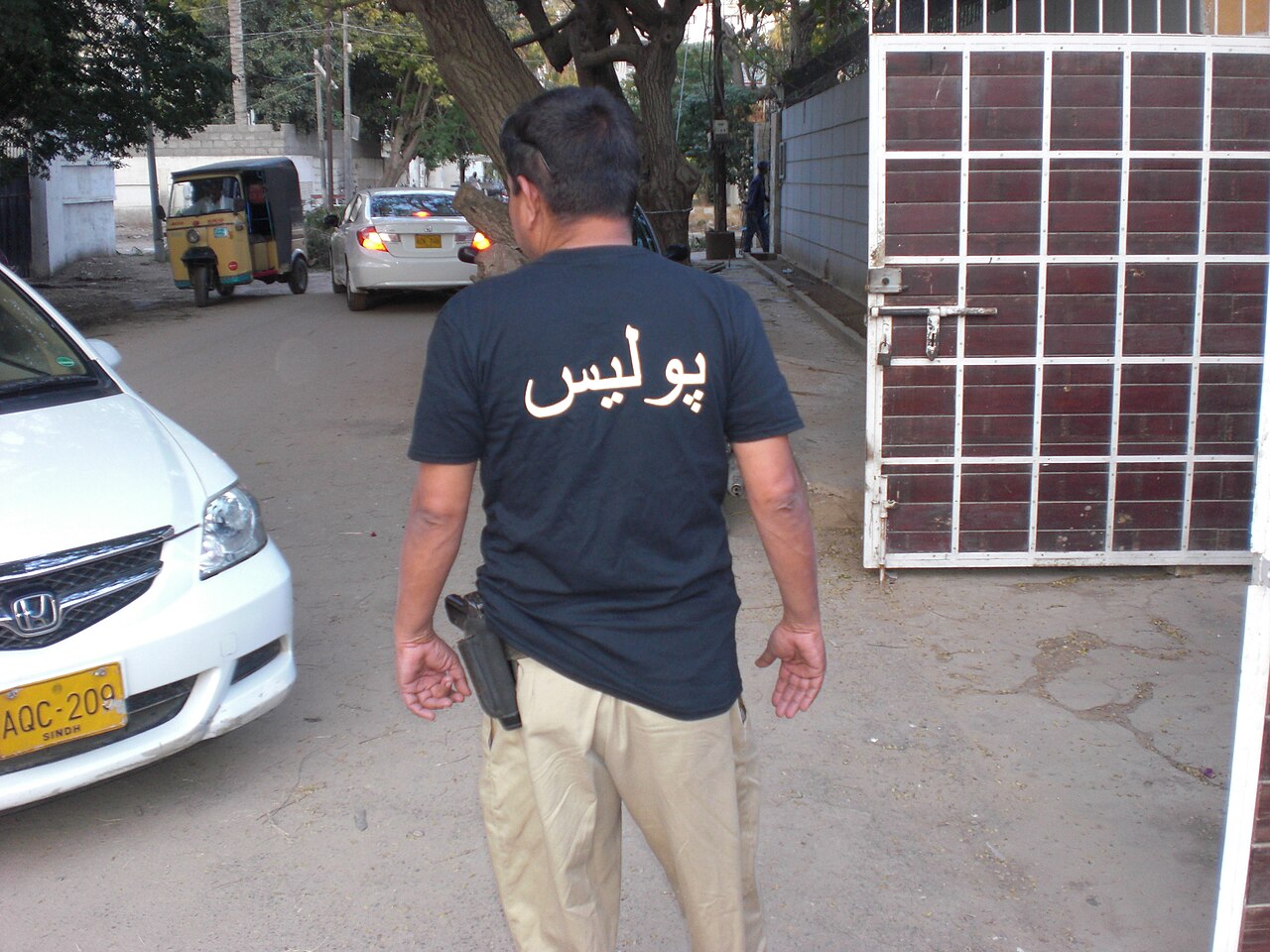


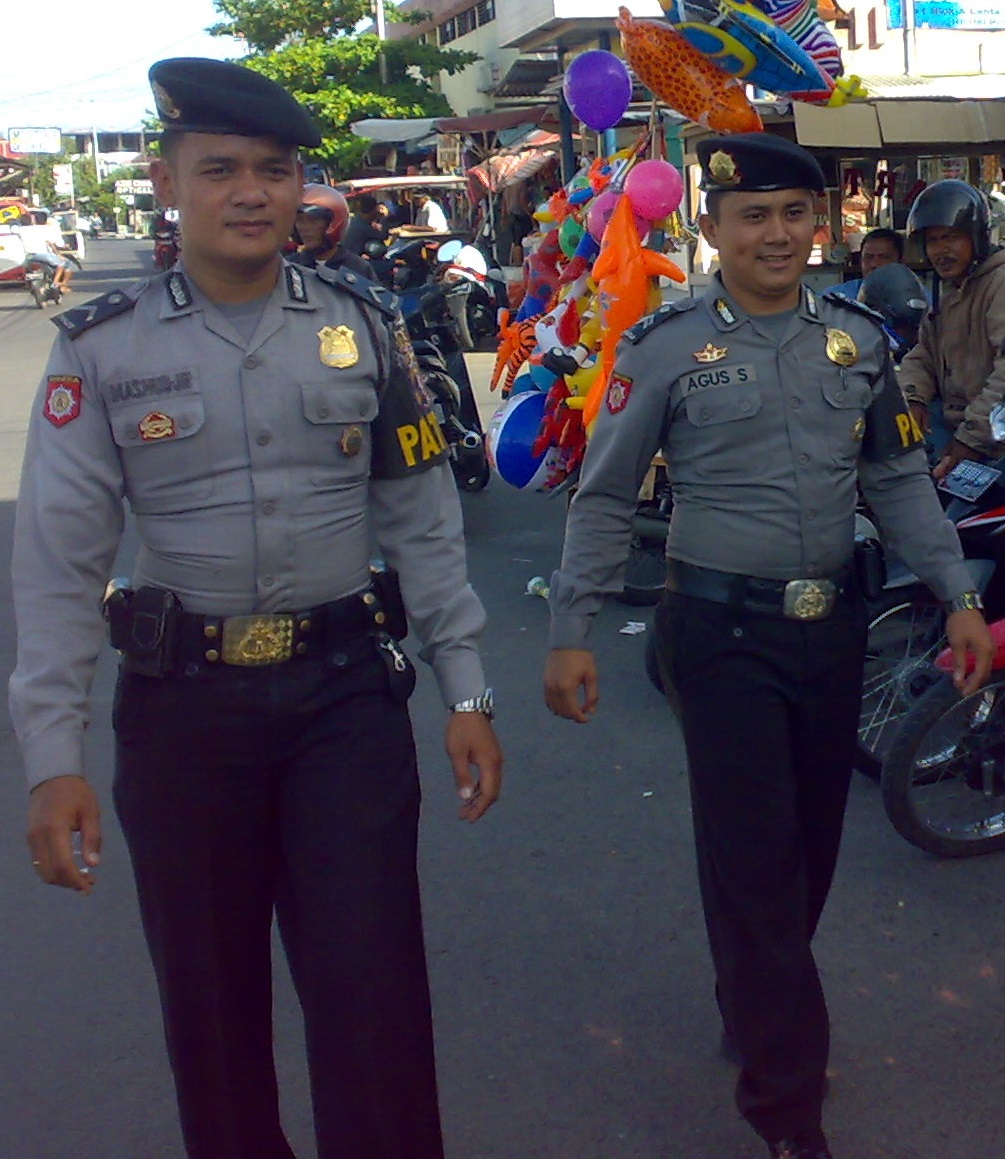

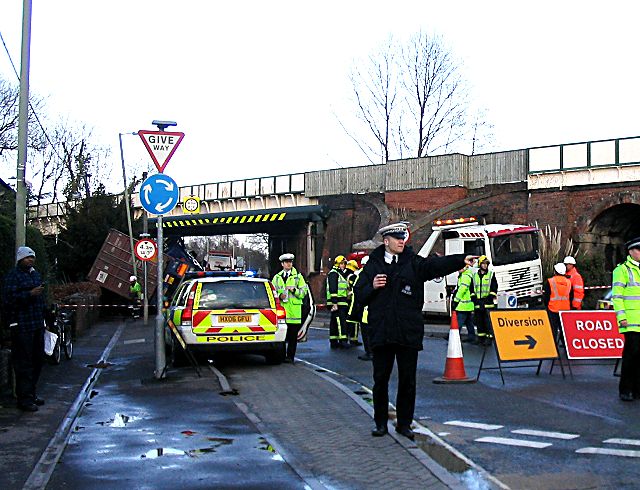
Roles and powers
Core functions include investigating offences, responding to emergencies, directing traffic, and working with victims and witnesses. Many officers have authority to arrest suspects, detain persons for questioning, and conduct searches when authorised by law. Their legal powers typically permit the use of reasonable force in defined circumstances; oversight and accountability structures regulate that use.
Typical tasks and equipment
Everyday tasks can range from routine patrols and community engagement to major criminal investigations. Common equipment includes protective uniforms, communication devices and non-lethal tools; firearms and specialised gear are used where law and policy allow. Officers also increasingly rely on technology such as databases, body-worn cameras and forensic tools.
Training, ranks and organisation
Recruit training covers law, ethics, human rights, first aid, conflict management and investigative techniques. Career structures usually include ranks and specialist units (for example traffic, criminal investigation, public order or neighbourhood policing). Many forces emphasise continuous professional development and community-oriented policing.
History and public role
Modern professional policing developed as states organised permanent, uniformed forces to maintain order and reduce crime. Over time, police have taken on broader public safety roles and disaster response. Their legitimacy depends on legal authority, public trust and accountable practices.
Challenges and distinctions
Police face issues such as balancing security with civil liberties, responding to mental health crises, and adapting to new criminal methods. Distinctions exist between civilian security providers, private investigators and sworn police officers: the latter possess statutory powers that the others do not. Community relationships and transparent oversight remain central to effective policing and public confidence, while efforts to prevent crime increasingly emphasise partnership and prevention.
Related articles
Author
AlegsaOnline.com Police officer Leandro Alegsa
URL: https://en.alegsaonline.com/art/77724