
Louise Michel: French anarchist, educator and revolutionary
Louise Michel (1830–1905) was a French teacher, medical caregiver and prominent anarchist. A leading figure in the Paris Commune, she was exiled, wrote and lectured widely, and became an enduring symbol for radical politics.
Overview
Louise Michel (born 1830, died 1905) was a French teacher, medical worker and radical political activist best known for her role in the Paris Commune of 1871. Celebrated and controversial in her lifetime, she combined social commitment, direct action and literary output. She has been remembered by anarchists, feminists and republicans for her uncompromising defence of the poor and the downtrodden.
Image gallery
10 Images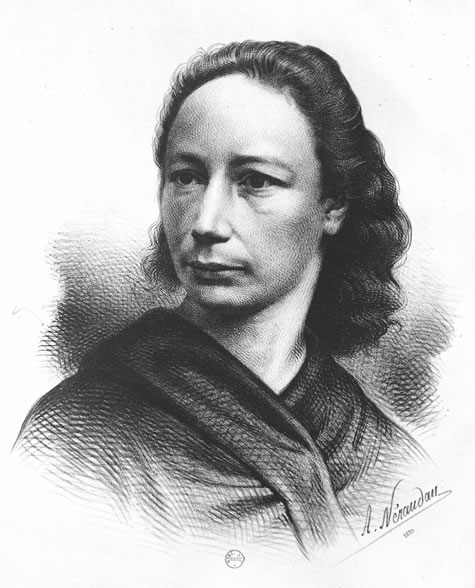


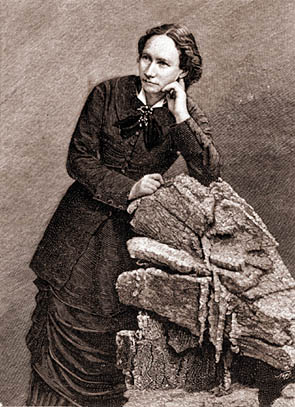
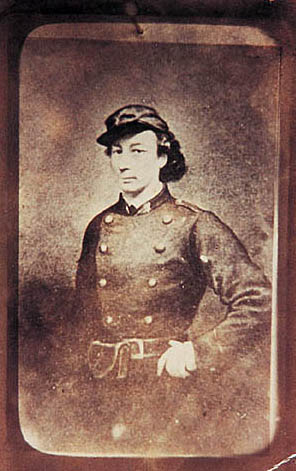
Early life and teaching
Raised in Normandy, Michel trained and worked as a primary school teacher. Her classroom experience shaped a belief in education as a tool for emancipation and social reform. She became involved in progressive circles and adopted positions that later aligned with republican and anarchist ideas. Her career in education overlapped with practical care work; she also provided medical help in times of crisis, an aspect of her life often noted in contemporary accounts.
Paris Commune, arrest and exile
Michel took an active part in the Paris Commune of 1871, the short-lived revolutionary government that briefly controlled Paris. After the Commune's defeat she was arrested, sentenced and eventually deported to New Caledonia. During exile she continued to cultivate political ties, supported indigenous causes, and wrote accounts of her experiences. Her repeated defiance of authority and refusal to disavow Commune aims made her a durable symbol of resistance.
Later activism and writings
After returning to France, Louise Michel engaged in lectures, pamphleteering and support for anarchist causes. She published memoirs and political writings and sometimes used the pseudonym Clémence. She tended wounded during street confrontations and remained a vocal critic of militarism and social inequality. Her reputation as the "red virgin of Montmartre" grew as she toured, spoke and inspired younger radicals.
Legacy and notable facts
Michel's life influenced subsequent generations of activists. In the 20th century, volunteer formations in conflicts such as the Spanish Civil War adopted her name, for example the Louise Michel units and the Louise Michel Battalions. She is often cited in discussions of anarchism, women's political engagement and radical education. Basic biographical milestones—her birth in 1830 and death in 1905—are widely recorded in histories of modern France, and she is frequently referenced in studies of French social movements and the broader European anarchist tradition (French sources preserve many contemporary accounts).
Quick facts
- Occupation: teacher, nurse/medical worker, writer and activist
- Political stance: anarchist and radical republican sympathies
- Nickname: often called the "red virgin of Montmartre"
Questions and answers
Q: Who was Louise Michel?
A: Louise Michel was a French anarchist, school teacher and medical worker.
Q: What was one of Louise Michel's pseudonyms?
A: One of Louise Michel's pseudonyms was Clémence.
Q: Why was Louise Michel also known as the red virgin of Montmartre?
A: Louise Michel was also known as the red virgin of Montmartre due to her radical political views and her celibacy.
Q: What is the connection between Louise Michel and the Louise Michel Battalions?
A: The Louise Michel Battalions were units that fought in the Spanish Civil War from 1936 to 1939. They were named after Louise Michel, who was a symbol of resistance and revolution.
Q: What was Louise Michel's occupation besides being an anarchist?
A: Besides being an anarchist, Louise Michel was a school teacher and medical worker.
Q: When did Louise Michel pass away?
A: Louise Michel passed away in 1905.
Q: What country was Louise Michel from?
A: Louise Michel was from France.
Related articles
Author
AlegsaOnline.com Louise Michel: French anarchist, educator and revolutionary Leandro Alegsa
URL: https://en.alegsaonline.com/art/125359