
Leó Szilárd: physicist, inventor, and advocate on nuclear issues
Hungarian–American physicist and inventor who conceived the nuclear chain reaction, patented an early reactor with Enrico Fermi, prompted the Einstein letter that helped start the Manhattan Project, and later urged control.
Overview
Leó Szilárd (February 11, 1898 – May 30, 1964) was a Hungarian–American physicist and inventor whose ideas helped shape twentieth‑century science and policy. He is best known for conceiving the nuclear chain reaction and for technical and political activity around the development and control of atomic energy.
Image gallery
9 Images




Major contributions
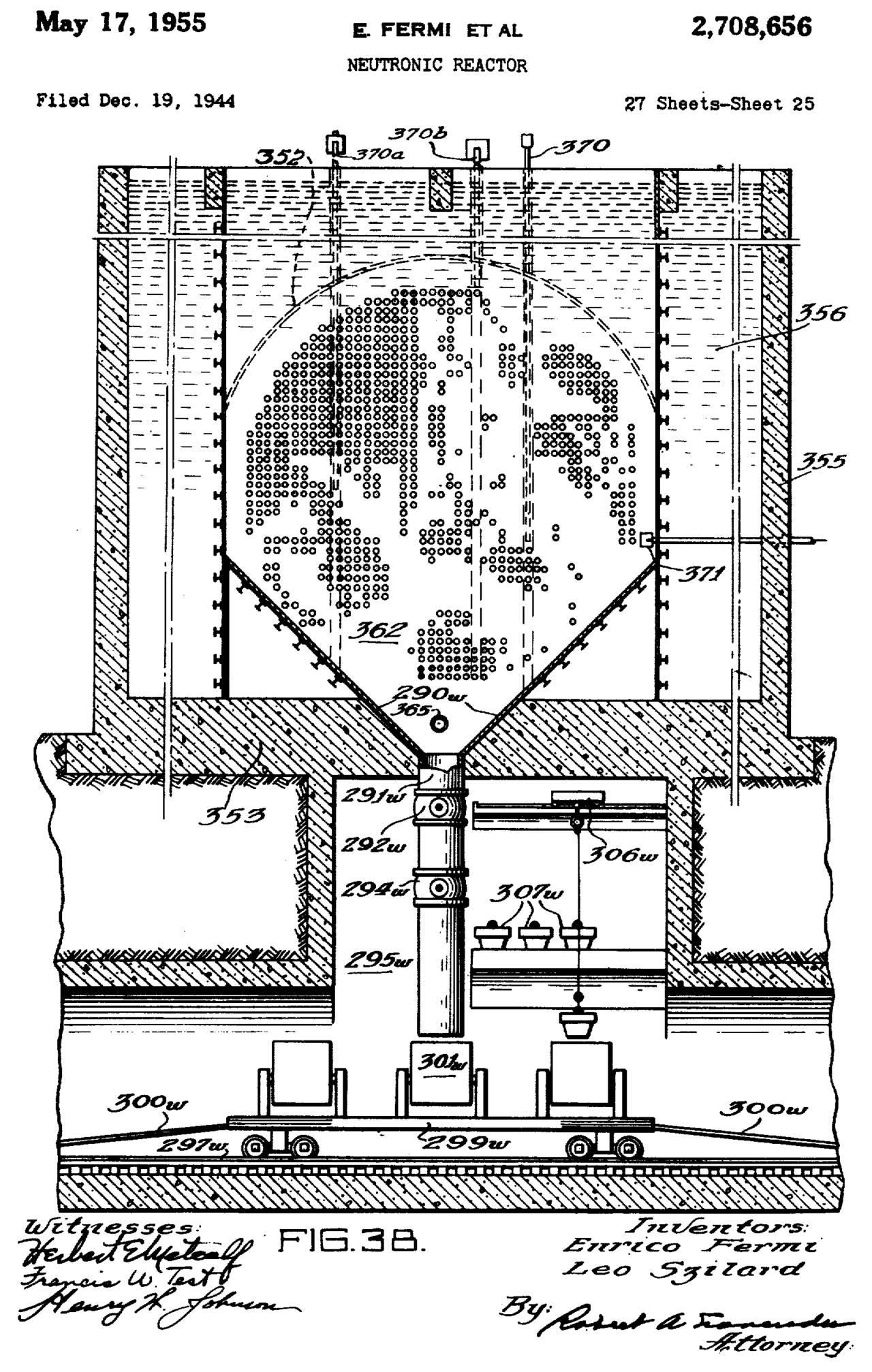
In the early 1930s Szilárd realized that a sustained series of nuclear fissions could release enormous energy if neutrons produced in one fission event induced further fissions. He and colleagues took steps to turn that insight into practice, including filing patents to protect approaches to a controlled reactor. One of his notable collaborations led to a joint patent application with Enrico Fermi for a practical reactor design, an important step toward controlled chain reactions and later reactor engineering (patent reference).
Role in wartime developments
Concerned that Nazi Germany might develop atomic weapons, Szilárd drafted a warning that prompted him to seek a respected signatory. He persuaded Albert Einstein to sign a letter to the U.S. government describing the potential of uranium chain reactions and urging attention to research. That communication helped spur efforts that evolved into the Manhattan Project, the allied program that produced the first atomic bombs.
Scientific breadth and inventions
Szilárd combined theoretical insight with practical invention. Beyond his work on reactors, he explored thought experiments linking thermodynamics and information (the so‑called Szilárd engine related to Maxwell's demon), and he held patents on devices and methods arising from his interdisciplinary interests. He remained active as an inventor and researcher across multiple fields throughout his career.
Public policy and later life
After the wartime rush to build nuclear weapons, Szilárd became an outspoken advocate for international control of atomic energy and for reducing the risk of nuclear war. He participated in efforts to inform the public and policymakers about the dangers and ethical implications of atomic weapons and urged cooperative approaches to civilian and military nuclear issues.
Legacy and notable facts
Szilárd is remembered both for a single transformative technical idea—the nuclear chain reaction—and for a broader legacy that combines invention, scientific curiosity, and civic engagement. His career illustrates how theoretical insight, practical engineering, and political advocacy can intersect in ways that reshape science and society.
- Physicist and inventor: profile, patents
- Reactor patent with Fermi: details and collaboration
- Einstein letter that influenced policy: background and link to the Manhattan Project
Related articles
Author
AlegsaOnline.com Leó Szilárd: physicist, inventor, and advocate on nuclear issues Leandro Alegsa
URL: https://en.alegsaonline.com/art/57194