
Lefkada: Ionian island of beaches, sailing and mainland access
Lefkada (Lefkas) is an Ionian island off western Greece, known for dramatic beaches, sailing, traditional villages and a permanent road link to the mainland. Area about 300 km²; town of Lefkada is the main settlement.
Overview
Lefkada (also spelled Lefkas) is an island in western Greece located in the Ionian Sea. It is commonly listed as the fourth largest of the Ionian Islands after Kefalonia, Corfu and Zakynthos. The island covers roughly 300 square kilometres and had a population recorded as about 23,845 in the 2001 Greek census. The island's principal town, Lefkada (city), serves as the administrative and commercial centre and is a focal point for visitors and local services.
Image gallery
10 Images


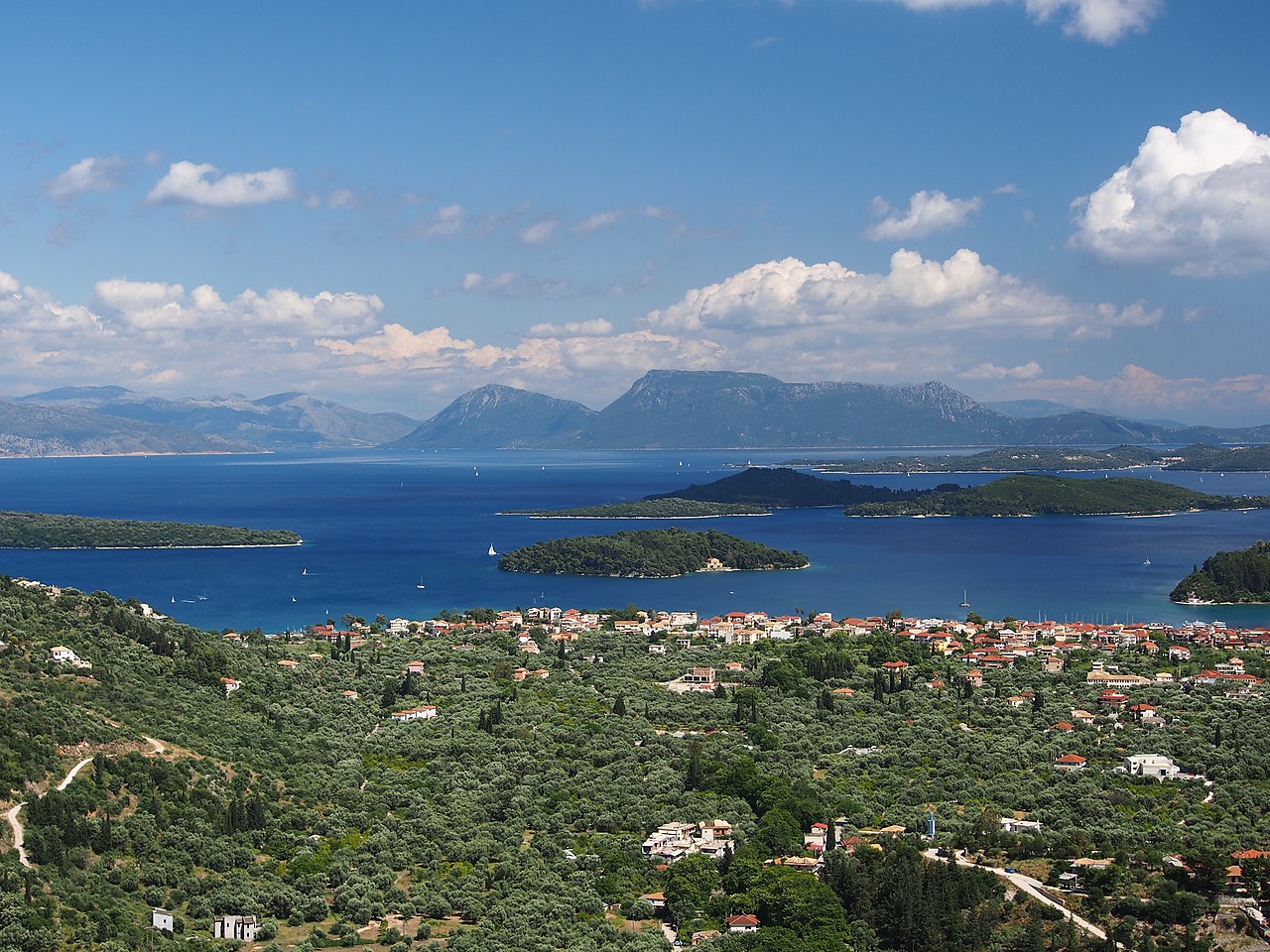


Geography and access
Lefkada is narrow and largely mountainous, with a coastline of bays, peninsulas and steep western cliffs. Unusually for a Greek island, it is connected to the mainland by a short causeway and a movable bridge at the main town, so it can be reached by car without a ferry. The west coast is famed for its dramatic cliffs and clear waters; some beaches are reached by steep paths and attract sunbathers and photographers alike.
Climate and environment
The island has a Mediterranean climate: hot, dry summers and mild, wetter winters. Vegetation is typically Mediterranean, with olive groves, maquis shrubland and scattered cypress and pine. The surrounding sea supports diverse marine life; on some Ionian beaches sea turtles and other protected species may be observed during nesting seasons, and local authorities and conservation groups work to protect key habitats.
History and culture
Lefkada's recorded history includes ancient Greek settlement, Byzantine influence and periods of Venetian and later rule, all of which have left traces in architecture, place names and local customs. Orthodox religious observances and seasonal festivals remain important, and villages preserve traditional crafts, music and culinary traditions that reflect both island and mainland Greek culture.
Economy and tourism
Tourism is a major economic driver, concentrated in the summer months. Lefkada attracts beachgoers, sailors and windsurfers—Vasiliki on the southern coast is a well-known centre for windsurfing and small-boat sailing, while the northern and central waters are popular with cruisers. Agriculture (notably olives and some viticulture), small-scale fisheries and services for visitors also support the local economy. Accommodation ranges from family-run pensions in inland villages to larger hotels and self-catering options near the main town.
Notable places and activities
- Beaches: the island is home to several renowned beaches with high cliffs and clear water; many are popular day-trip destinations and are often cited among Greece's most photographed shores.
- Sailing and watersports: reliable winds and sheltered bays make Lefkada a hub for windsurfing, kitesurfing, sailing and diving.
- Cultural sights: the town of Lefkada has museums, churches and fortifications; inland villages offer traditional architecture and local handicrafts.
- Day trips: good road links to the mainland make day excursions to nearby historic sites and mainland coastal towns straightforward, and organised boat trips visit nearby islets and coastal attractions.
Practical information
Visitors normally arrive by road over the causeway or via the nearby mainland airport (often referred to in travel information for the region). Roads on the island vary from coastal routes to narrow mountain lanes; driving is a common way to explore. Services such as tourist information, boat charters and organised activities are widely available in the town and larger resort areas. As with other Mediterranean destinations, summer is the busiest season and travellers are advised to book popular accommodation and activities in advance.
Lefkada combines striking coastal scenery, a connection to mainland Greece and a lively seasonal tourist economy. It appeals to those seeking active watersports, scenic drives and island culture with relatively easy access from the Greek mainland.
Questions and answers
Q: What is Lefkada?
A: Lefkada is a Greek island.
Q: Where is Lefkada located?
A: Lefkada is located in the west of Greece in the Ionian Sea.
Q: How does Lefkada compare in size to other Ionian Sea islands?
A: Lefkada is the fourth largest island of the Ionian Sea after Kefalonia, Corfu and Zakynthos.
Q: What is the total area of Lefkada?
A: The total area of Lefkada is 303 square meters.
Q: What was the population of Lefkada according to the 2001 Greek census?
A: The population of Lefkada was 23,845 residents according to the 2001 Greek census.
Q: What is the largest town in Lefkada?
A: The largest town in Lefkada is Lefkada (city).
Q: What is the population of Lefkada (city)?
A: The population of Lefkada (city) is 10,875 people.
Related articles
Author
AlegsaOnline.com Lefkada: Ionian island of beaches, sailing and mainland access Leandro Alegsa
URL: https://en.alegsaonline.com/art/56947
Sources
- guardian.co.uk : guardian.co.uk
- goodreads.com : Demystifying The Odyssey