
Laurent-Désiré Kabila
Laurent-Désiré Kabila (1939–2001) led the 1997 overthrow of Mobutu and served as president of the Democratic Republic of the Congo until his assassination in 2001.
Overview
Laurent-Désiré Kabila (27 November 1939 – 16 January 2001) was a Congolese revolutionary and politician who became president after leading a rebellion that toppled long-time ruler Mobutu Sese Seko. His rise marked a dramatic end to the state known as Zaire and the restoration of the country's name as the Democratic Republic of the Congo. Further pronunciation and basic references.

Image gallery
2 Images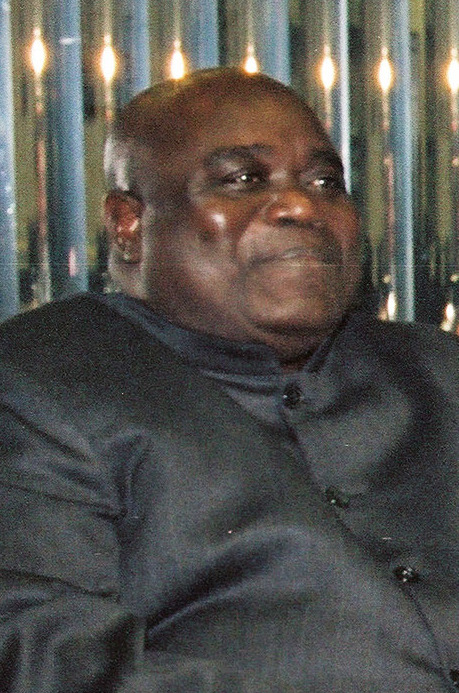

Background and rise to power
Kabila had a long history as an opponent of successive regimes in what was then the Belgian Congo and later Zaire. In the mid-1990s he organized the Alliance of Democratic Forces for the Liberation of Congo-Zaire (AFDL), a coalition of armed groups and dissidents. Backed militarily and logistically by neighboring states, the AFDL advanced across the country and entered the capital in 1997, forcing Mobutu into exile. For a concise biographical overview, see biographical sources.
Presidency and policies
As president, Kabila attempted to dismantle the kleptocratic structures associated with the previous regime and to assert central control over a vast, diverse country. His government faced enormous challenges: weak institutions, regional rivalries, and a collapsed economy. He restored the country's historic name and moved to replace many senior officials, actions that won support in some quarters but provoked resistance in others. International observers and local actors debated the effectiveness and sincerity of his reforms.
1998 conflict, assassination, and succession
Within a year of taking power, Kabila fell out with some former allies and a broader regional conflict erupted in 1998, drawing in multiple neighboring countries and armed factions in what came to be called the Second Congo War. On 16 January 2001 he was killed by a member of his own security detail; the motives remain the subject of investigation and debate. Eight days later his son, Joseph Kabila, assumed the presidency and led efforts to negotiate ceasefires and international mediation. See also the Democratic Republic of the Congo, Mobutu Sese Seko, and Joseph Kabila for related context.
Legacy and notable facts
- Kabila's overthrow of Mobutu ended a 32-year era and reshaped regional dynamics in central Africa.
- His brief rule highlighted the difficulty of repairing governance after prolonged dictatorship.
- His assassination added to the instability that affected the region for years and influenced successive peace processes.
Scholars and policymakers continue to assess Kabila's intentions, methods, and the long-term consequences of the upheavals during and after his presidency. The period remains central to understanding contemporary politics and conflicts in central Africa.
Related articles
Author
AlegsaOnline.com Laurent-Désiré Kabila Leandro Alegsa
URL: https://en.alegsaonline.com/art/56320
Sources
- irinnews.org : "IRIN – In Depth Reports"