
Mobutu Sese Seko (President of Zaire)
Longtime ruler of the Democratic Republic of the Congo (renamed Zaire), Mobutu Sese Seko led an authoritarian, centralized regime marked by anti‑colonial rhetoric, Cold War alliances and widespread corruption.
Overview
Mobutu Sese Seko was the dominant political figure of his country from the mid‑1960s until 1997. Born Joseph‑Désiré Mobutu, he rose from a military background to control the state that is today known as the Democratic Republic of the Congo. For much of his tenure he ruled under the name of the country he proclaimed: Zaire. Mobutu built a highly centralized administration, cultivated a pervasive cult of personality and advanced a policy of "national authenticity" intended to remove traces of European colonial influence.
Image gallery
10 Images


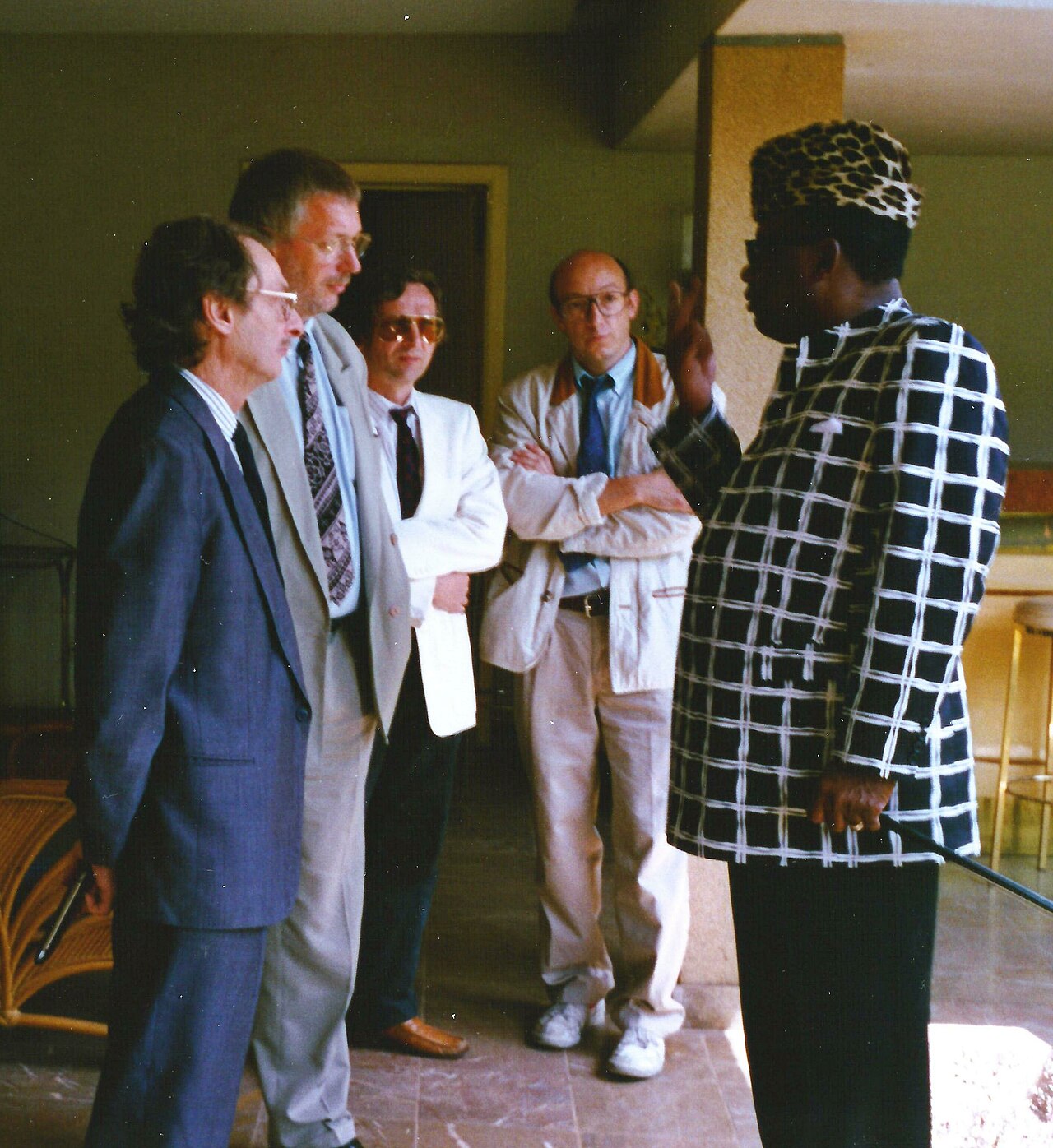
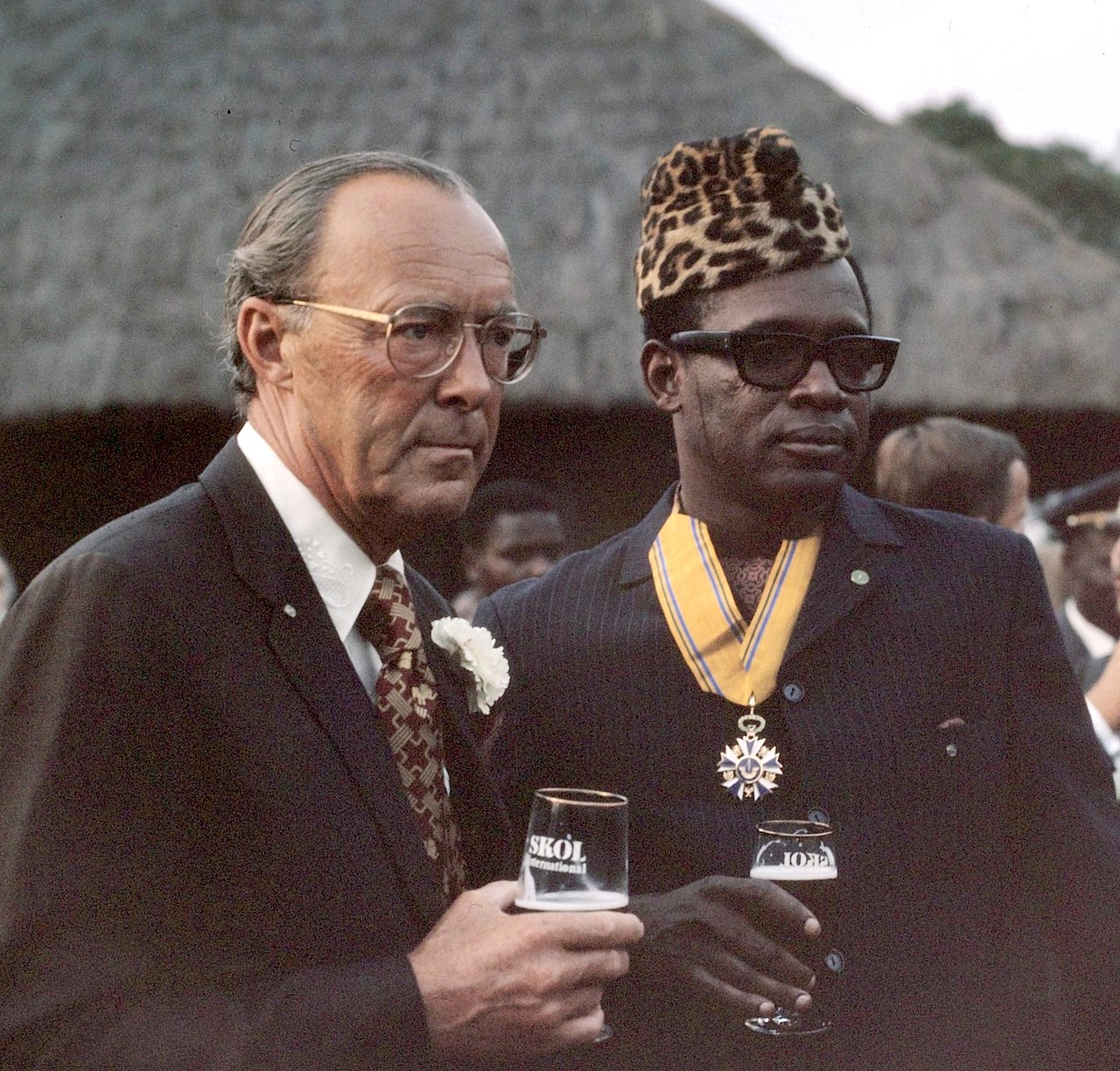

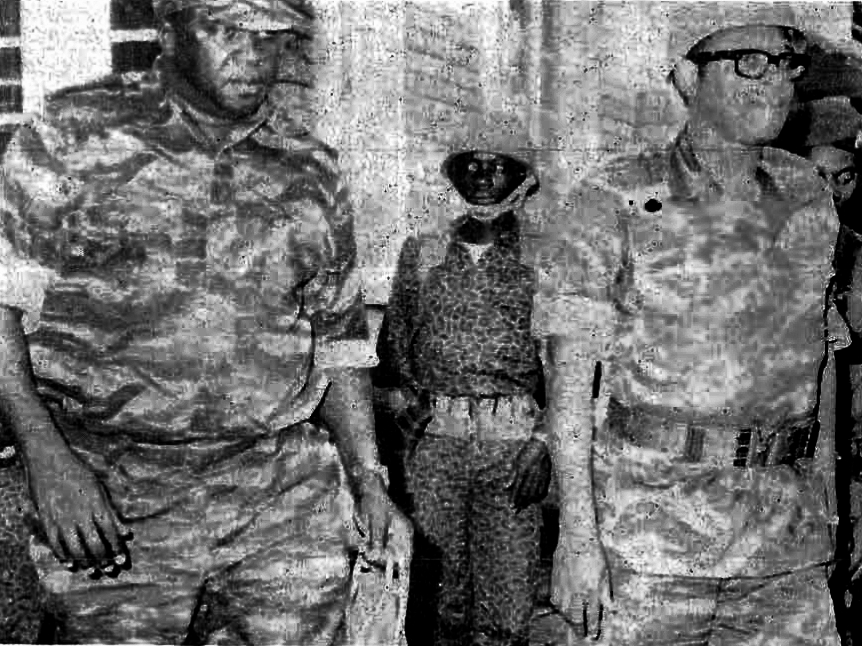

Rise to Power
Mobutu first came to prominence during the Congo Crisis of the early 1960s, a period of competing political factions after independence. He played a decisive role in the removal of the government associated with Patrice Lumumba, and used successive coups and political maneuvers to become army chief of staff and then head of state. By the late 1960s he had consolidated executive authority, reshaped institutions and proclaimed a presidential system centered on his leadership.
Characteristics of His Rule
Mobutu's administration combined rhetoric of national renewal with practical measures to monopolize power. He formalized a one‑party state, promoted symbols and rituals that elevated his image, and demanded loyalty from the military and civil service. Official ideology stressed authenticity, African names and rejection of foreign influence while foreign policy aligned with Western anti‑communist interests during the Cold War.
Economy, Corruption and Governance
During his decades in power Mobutu personally benefited from control of resources and state institutions. Observers have documented extensive corruption and concentration of wealth that led many commentators to label the regime a kleptocracy. The national economy suffered cycles of mismanagement: rising inflation, increasing debt burdens and repeated currency devaluations damaged public services and living standards. Nepotism and patronage networks further weakened governance and public trust (nepotism).
Public Image and Notable Practices
Mobutu cultivated an extravagant personal style that included luxury travel and displays of wealth—details that became symbolic of the gap between elite privilege and popular hardship. Reports of opulent habits, including trips aboard prestigious aircraft, fed criticism from domestic opponents and foreign observers (Concorde‑style flights, visits to Paris). Human‑rights groups and international commentators noted repeated human‑rights abuses under his government and described him in terms such as the "archetypal" African dictator in some assessments.
Decline, Overthrow and Death
Economic collapse and political unrest in the late 1980s and 1990s weakened Mobutu's hold on power. Attempts to liberalize or share authority were undermined by entrenched interests and military interventions. In 1997 a rebel advance led by Laurent Kabila forced Mobutu into exile; he left office after more than three decades. He died later that year of prostate cancer while in Morocco.
Legacy and Relevance
Mobutu's legacy remains controversial and consequential. Supporters credit him with maintaining territorial unity during a turbulent period and with asserting national identity; critics emphasize how authoritarian rule, corruption and economic mismanagement left long‑term damage. The history of his regime is often cited in discussions of post‑colonial state formation, Cold War geopolitics in Africa, and the challenges of institutional development where personal rule and patronage dominate. For further thematic reading, see topics on governance, resource politics and transitional justice in contemporary studies.
- Key characteristics: centralized authority, personality cult, national authenticity, Cold War alignment.
- Common critiques: corruption, economic decline, human‑rights violations, nepotism.
- Turning points: coups of the 1960s, renaming to Zaire, economic crises of the 1980s–90s, 1997 overthrow.
- Early military career and rise during the Congo Crisis (Lumumba period).
- Consolidation of power and one‑party rule (one‑party state).
- Economic mismanagement and international patronage (corruption, kleptocracy).
- Overthrow, exile and death abroad (Morocco).
Questions and answers
Q: What was Mobutu Sese Seko's birth name?
A: Mobutu Sese Seko's birth name was Joseph-Desiré Mobutu.
Q: When did Mobutu become President of the Democratic Republic of the Congo?
A: Mobutu became President of the Democratic Republic of the Congo in 1967 when he established a presidential form of government headed by himself.
Q: What did Mobutu do as part of his program of “national authenticity”?
A: As part of his program of “national authenticity,” Mobutu changed the Congo's name to Zaïre in 1971 and changed his own name to Mobutu Sese Seko in 1972.
Q: How did Mobutu amass a large personal fortune?
A: During his reign, Mobutu amassed a large personal fortune through economic exploitation and corruption.
Q: What caused unrest leading to him agreeing to share power with opposition leaders?
A: By 1991 economic deterioration and unrest led him to agree to share power with opposition leaders.
Q: Who removed him from power in 1997?
A: In May 1997 rebel forces, led by Laurent Kabila, removed him from the country.
Q: How is he described by many people?
A: Many have described him as the "archetypal African dictator".
Author
AlegsaOnline.com Mobutu Sese Seko (President of Zaire) Leandro Alegsa
URL: https://en.alegsaonline.com/art/127137