
Lauri Törni (Larry Thorne): Finnish soldier who served under three flags
Lauri Törni (1919–1965), later known as Larry Thorne, was a Finnish Army officer who fought in the Winter and Continuation Wars, served with German forces in WWII, emigrated to the U.S., and joined U.S. Army Special Forces.
Overview
Lauri Allan Törni (28 May 1919 – 18 October 1965), commonly known after emigration as Larry Thorne, was a Finnish military officer notable for an unusual career that spanned several countries and armed forces. He gained prominence as a company commander in Finland’s conflicts with the Soviet Union and later continued a military career that included service with German forces during World War II and with the U.S. Army Special Forces in the 1950s and 1960s.
Image gallery
10 Images


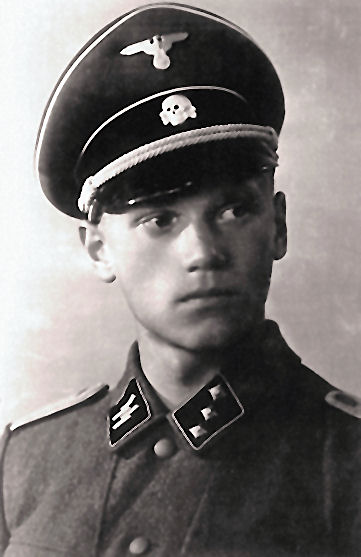

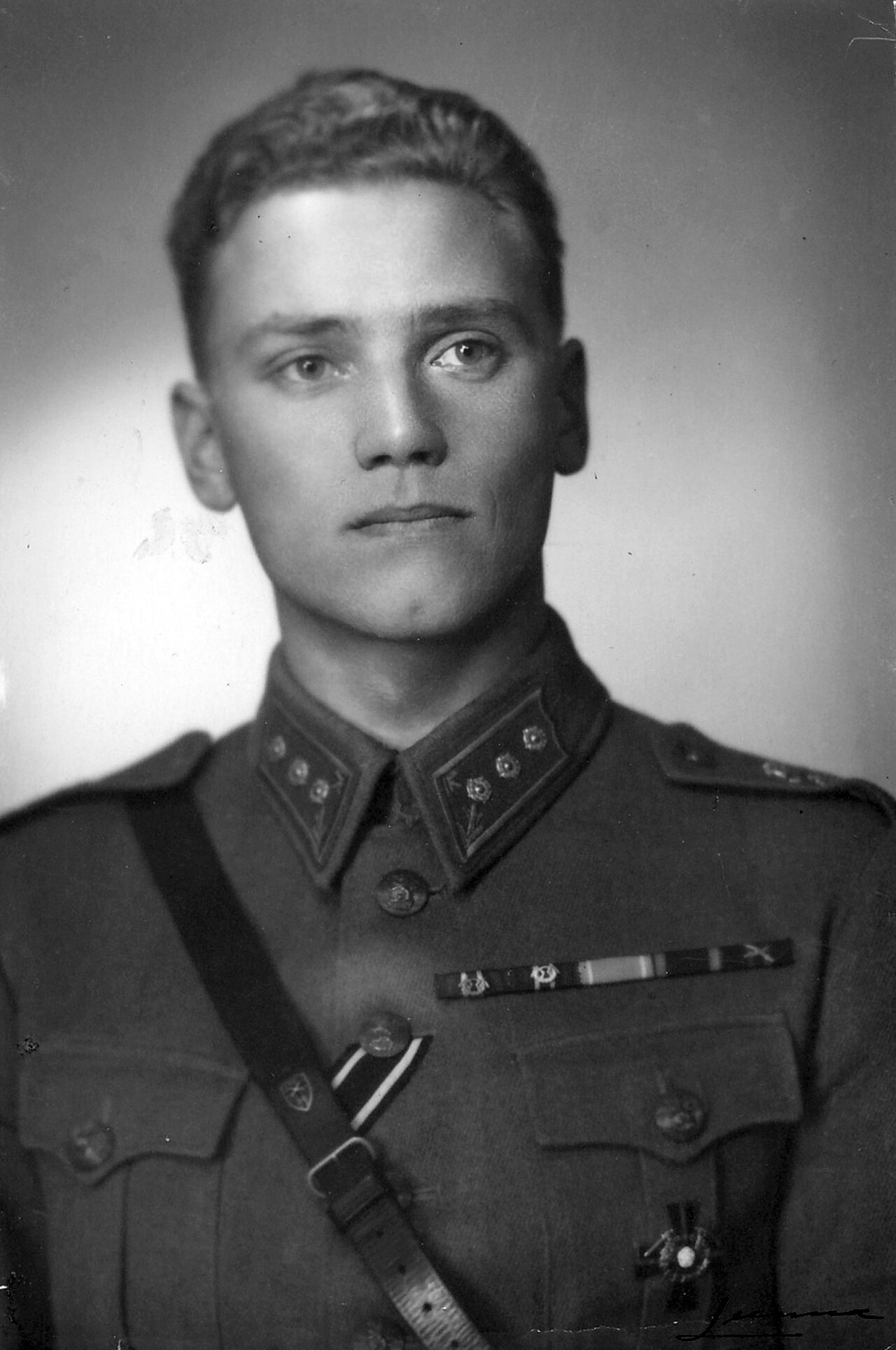


Military career and service
Törni first rose to recognition in Finland during the Winter War and the subsequent Continuation War, where he commanded infantry units against Soviet forces. In the chaotic final years of World War II he became associated with German units fighting on the Eastern Front; this part of his biography has been the subject of much public discussion and differing interpretations. After the war he left Europe and eventually emigrated to the United States.
In the United States he adopted the name Larry Thorne and enlisted in the U.S. Army, where his wartime experience and skills in small-unit tactics and survival training led him into Special Forces (the Green Berets). He served as an instructor and as an operational soldier, contributing to training and unconventional-warfare activities during the Cold War era.
Death and repatriation
Thorne was reported missing and later declared killed in 1965 during a clandestine operation in the Vietnam theater; contemporary records place his final flight in the context of special operations in Southeast Asia. Decades later his remains were located, identified and returned to Finland, where he received a military burial with honors, closing a long and controversial chapter in his story.
Legacy and notable facts
- Törni is often described as a soldier who fought under three flags: Finnish, German (in World War II), and American.
- He changed his name to Larry Thorne after emigrating to the United States and serving in the U.S. Army Special Forces.
- His life exemplifies the complexities of 20th‑century European conflict, exile and Cold War alliances; assessments of his wartime choices vary across nations and communities.
For further context on the wars and theaters where Törni served, see treatments of the Winter War, the Continuation War, and the broader Vietnam War era. His biography remains a subject of military study, popular interest, and debate over wartime collaboration, exile, and the ethics of postwar military service.
Questions and answers
Q: Who was Lauri Törni?
A: Lauri Törni was a Finnish Army captain who led an infantry company in the Finnish Winter and Continuation Wars.
Q: What is Lauri Törni known for?
A: Lauri Törni is known as the soldier who fought under three flags: Finnish, German (when he fought the Soviets in World War II), and American (where he was known as Larry Thorne) when he served in U.S. Army Special Forces (Green Berets) in the Vietnam War.
Q: When was Lauri Törni born and when did he die?
A: Lauri Törni was born on May 28, 1919, and died on October 18, 1965.
Q: Why did Lauri Törni move to the United States?
A: After the wars, Lauri Törni moved to the United States.
Q: What army did Lauri Törni join after moving to the United States?
A: After moving to the United States, Lauri Törni joined the American Army.
Q: What was Lauri Törni's new name in the American Army?
A: In the American Army, Lauri Törni was known as Larry Thorne.
Q: What was Lauri Törni's role in the Vietnam War?
A: In the Vietnam War, Larry Thorne served in the U.S. Army Special Forces (Green Berets).
Related articles
Author
AlegsaOnline.com Lauri Törni (Larry Thorne): Finnish soldier who served under three flags Leandro Alegsa
URL: https://en.alegsaonline.com/art/56325
Sources
- smb.nu : "Mannen som inte kunde sluta strida"
- books.google.com : Finland's War of Choice: The Troubled German-Finnish Coalition in WWII
- worldcat.org : 635489135
- feldgrau.com : "Finnish Volunteers in the German Wehrmacht in WWII"
- books.google.com : SOG: A Photo History of the Secret Wars
- worldcat.org : 445847740
- amazon.com : B0021GXH2E
- worldcat.org : 731877681
- imdb.com : Törni – Sotilaan Tarina