
Laxmi Narayan Mandir, Dhaka: Hindu temple devoted to Lakshmi
Historic Hindu temple in Dhaka dedicated to the goddess Lakshmi (Laxmi Narayan). Located on Nawabpur Road, traditionally dated to Bengali year 1056 and important to local worship and heritage.
Overview
Laxmi Narayan Mandir is a Hindu place of worship in central Dhaka dedicated to the goddess Lakshmi, often worshipped together with Narayan (Vishnu). The temple stands on 31 Nawabpur Road in a dense urban quarter of the city and serves as both a religious center and a marker of Dhaka's long-standing Hindu community. It is widely described as an older foundation, traditionally linked to Bengali year 1056.
Image gallery
3 Images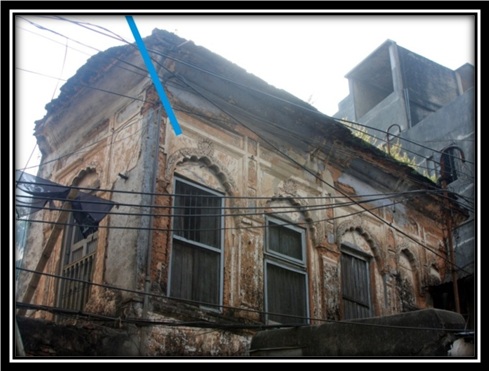


Location and setting
The sanctuary occupies a site on 31 Nawabpur Road, a busy street that has long been part of Dhaka's commercial and residential fabric. The city and its communities are in present-day Bangladesh. The temple's urban location means it is closely integrated with markets, lanes and neighboring residences, and it is visited by local worshippers and passersby.
Dedication and religious significance
The principal deity is Lakshmi (also spelled Laxmi), the Hindu goddess associated with wealth, prosperity and well-being. The combined name Laxmi Narayan emphasizes the linked worship of Lakshmi with Narayan (a name for Vishnu), reflecting devotional practices that honor divine consorts together. Information about daily rituals and annual observances indicates the temple is used for puja, offerings and festival gatherings.
Architecture and features
While detailed architectural surveys are limited in published sources, temples of this kind typically include a main sanctum facing a small hall for devotees and space for images, lamps and offerings. Devotional objects, iconography of Lakshmi, and modest decorative work are commonly found. Preservation needs and adaptations over time are frequent themes for urban temples that remain active within living neighborhoods.
History and dating
Local tradition links the site's foundation to the Bengali year recorded as 1056, and some descriptions characterize the building as several centuries old. Sources vary on precise chronology; statements that the temple is "about 300 years old" reflect a general estimation rather than a single scholarly consensus. The temple's endurance points to the continuing presence of Hindu religious life in the area through changing political and social eras.
Community role and notable facts
- The temple remains an active locus for worship of Laxmi and related rituals.
- It is part of Dhaka's historic fabric and illustrates how small urban temples support daily devotion and festival celebrations.
- Visitors interested in heritage and religious life often encounter the temple while exploring the Nawabpur neighborhood.
For those researching or visiting, the temple exemplifies the intersection of faith, community and the layered history of Dhaka's built environment. Further study or on-site visits can reveal more about its rituals, architecture and preservation needs.
Related articles
Author
AlegsaOnline.com Laxmi Narayan Mandir, Dhaka: Hindu temple devoted to Lakshmi Leandro Alegsa
URL: https://en.alegsaonline.com/art/56474