
Maundy Thursday (Holy Thursday)
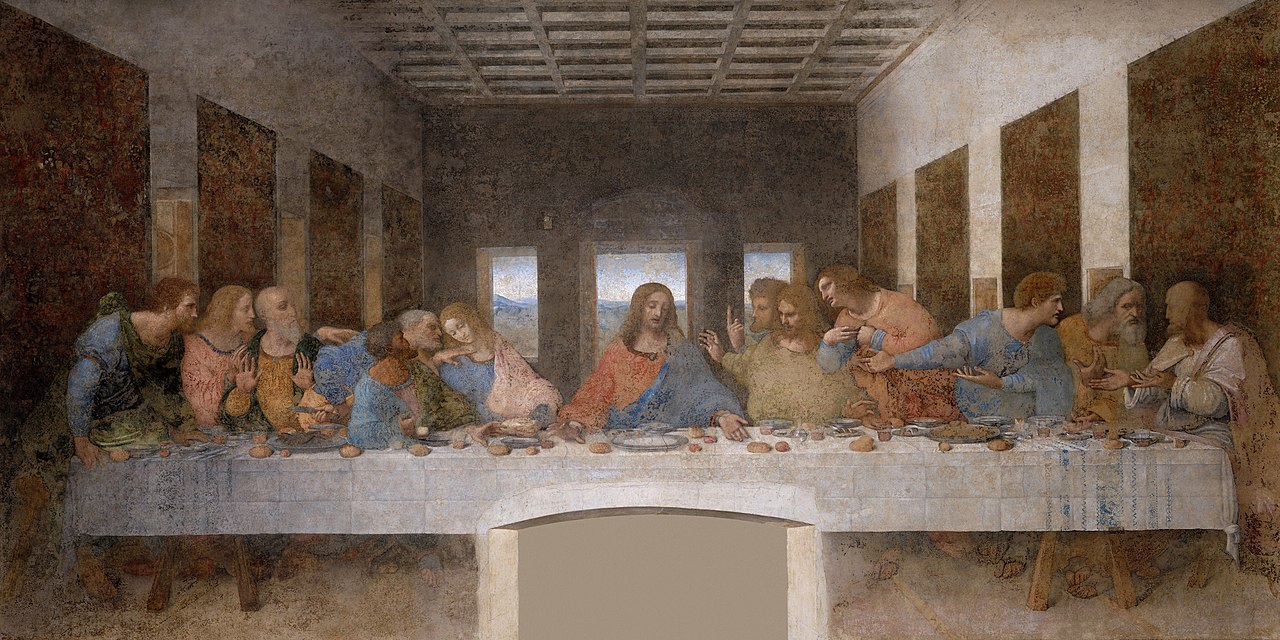
Maundy Thursday is the Christian holy day on the Thursday before Easter commemorating the Last Supper, the institution of the Eucharist, and Jesus’ commandment to love. It is part of Holy Week observances.
Overview
Maundy Thursday, often called Holy Thursday, marks the Thursday before Easter and commemorates the Last Supper of Jesus with his disciples. The day is observed in many Christian traditions as part of Holy Week, falling after Holy Wednesday and before Good Friday. It recalls events described in the Canonical gospels and the way Jesus prepared his followers for his crucifixion.
Image gallery
10 Images



Name and meaning
The English name "Maundy" derives from the Latin mandatum, meaning "commandment," a reference to Jesus' instruction to "love one another." The day is therefore associated both with the institution of the Eucharist at the Last Supper and with the moral commandment emphasized by Jesus. It is celebrated as a Christian feast or holy day on the Thursday before Easter.
Common liturgical elements
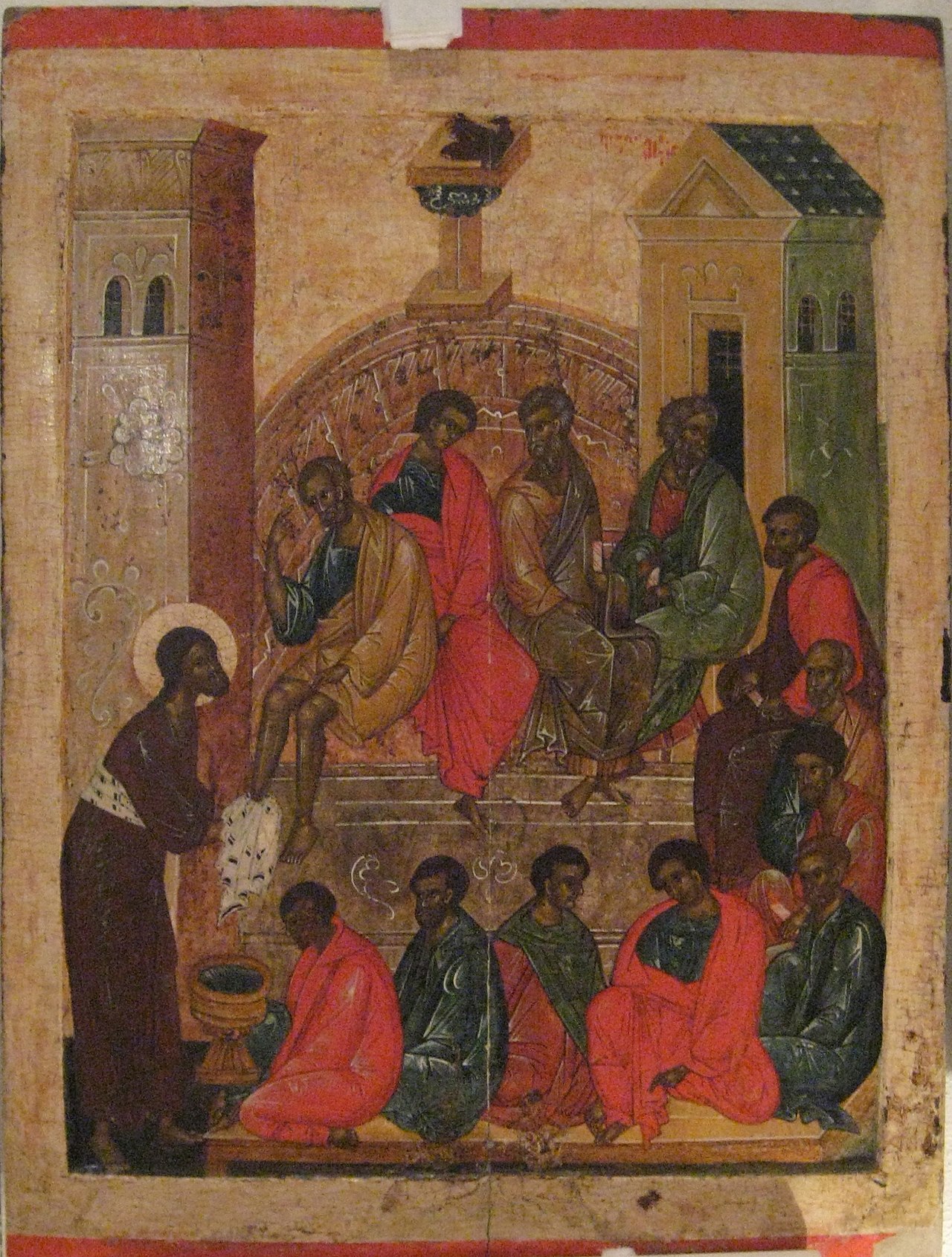
Many churches observe special services that recall specific acts from the Last Supper, including the blessing and sharing of bread and wine (the Last Supper) and, in some traditions, the washing of feet. These rites highlight the presence of Christ in the Eucharist and the call to humble service exemplified toward the Twelve Apostles.
Practices and variations
- Roman Catholic and Anglican: Evening Mass of the Lord's Supper with Eucharist, symbolic foot-washing in some communities, and often the transfer of the Blessed Sacrament to an "altar of repose."
- Orthodox and Eastern churches: Services may emphasize the "Mystical Supper," with specific chants and ritual actions reflecting their liturgical tradition.
- Protestant denominations: Observances range from a focus on communion to special worship services centered on the themes of service, commandment, and sacrifice.
History and notable customs
The day has long combined liturgical commemoration with practical acts of service. In medieval and later practice many churches observed a ceremony of foot-washing (Latin pedilavium or "Mandatum"). A distinct secular custom called the Royal Maundy in the United Kingdom developed from this religious emphasis: historically tied to royal almsgiving, it now takes the form of a formal ceremony in which the sovereign distributes symbolic gifts and alms.
Significance
Maundy Thursday serves as a bridge between the final teaching ministry of Jesus and the events of his arrest and crucifixion. For Christians it is a day to remember the sacrament of communion, the example of humble service, and the ethical command to love others—practices that shape Holy Week worship and the Christian calendar more broadly.
For further liturgical details and historical context see relevant resources and denominational guides: feast, holy day, Thursday before Easter, Last Supper, Twelve Apostles, Canonical gospels, Holy Week, Holy Wednesday, Good Friday.
Related articles
Author
AlegsaOnline.com Maundy Thursday (Holy Thursday) Leandro Alegsa
URL: https://en.alegsaonline.com/art/62941