
Larkin Administration Building
Early 20th-century office building in Buffalo designed by Frank Lloyd Wright for the Larkin Soap Company; notable for innovative engineering, integrated furnishings, ornament, and its controversial demolition in 1950.
Overview
The Larkin Administration Building was a purpose-built office block in Buffalo, New York, completed in 1906 to serve the Larkin Soap Company. Designed by Frank Lloyd Wright, it stood at 680 Seneca Street and quickly became celebrated for its unconventional form, rich ornamentation and technical innovations. The structure combined a robust exterior massing with carefully planned interior spaces intended to improve efficiency, worker comfort and corporate identity.
Image gallery
5 Images
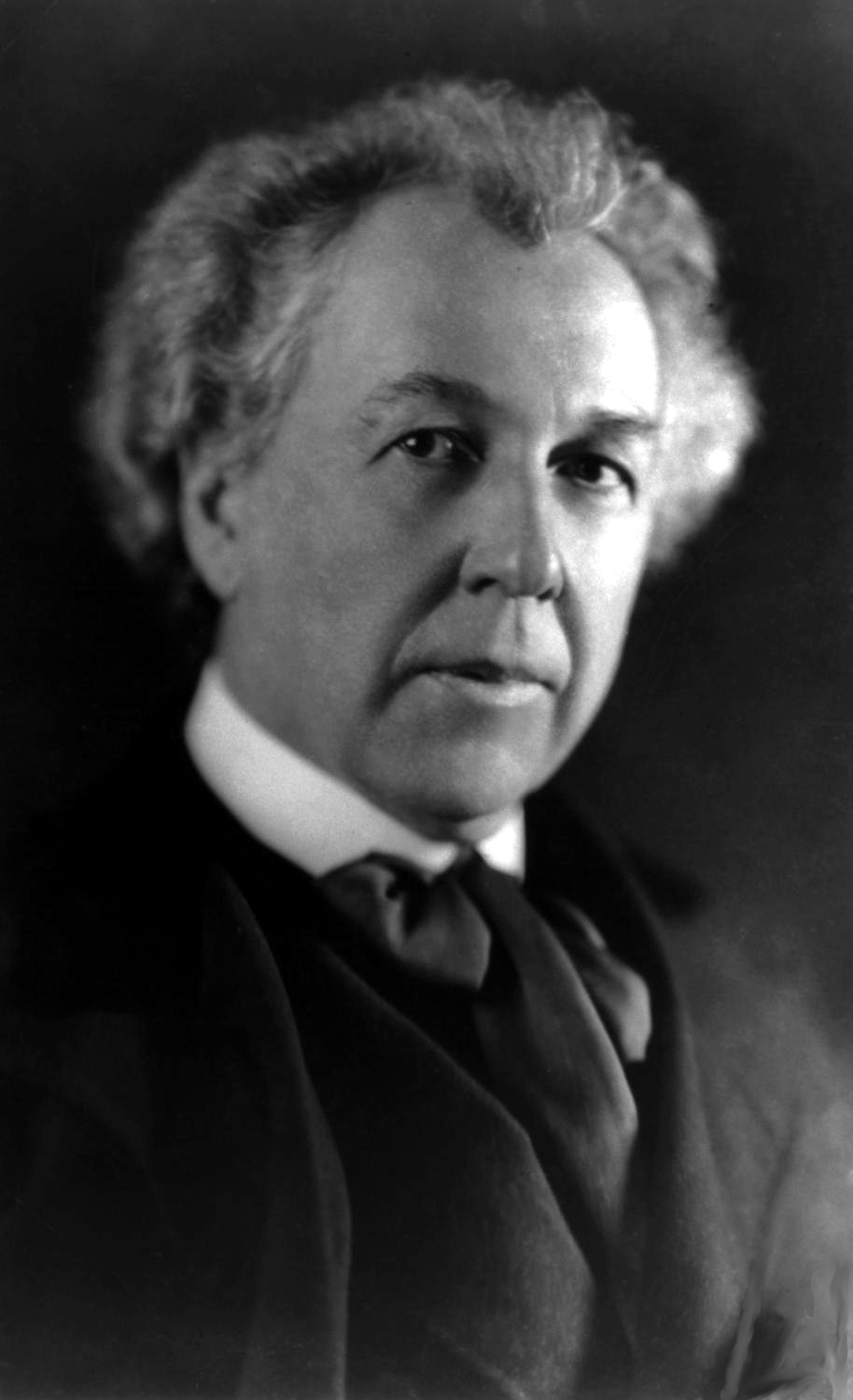


Design and notable features
The five-storey building was constructed of dark red brick laid with pink-tinted mortar and employed a steel frame — an embodiment of early modern commercial construction. Wright integrated custom elements throughout: built-in office furniture and filing systems, decorative art by sculptor Richard Bock, and extensive decorative glazing. The building made advanced use of daylighting and ventilation, including a large central light court and clerestory openings, and incorporated mechanical systems for improved air control and sanitation that were ahead of many contemporary office buildings.
- Structure: steel frame with masonry cladding and pronounced block-like massing.
- Interior planning: open office layouts, built-in desks and storage conceived as part of the architecture.
- Ornament: integrated sculpture and decorative leaded and stained glass (see examples of such glazing traditions).
- Services: early adoption of centralized ventilation and improved sanitary fixtures.
Context and history
Commissioned by the Larkin Soap Company, a prominent mail-order manufacturer and employer, the building expressed corporate self-image as much as practical function. Wright’s design marked an important phase in his career, moving away from residential projects toward larger commercial commissions and testing ideas of unified design — where furniture, fixtures and ornament were conceived with the architecture as a single work.
The project also involved collaborations with artisans and craftsmen; sculptor Richard Bock supplied reliefs and sculptural accents that complemented Wright's geometric motifs. Decorative and functional details were intended to create an efficient, dignified workplace rather than an anonymous industrial office block.
Demolition and legacy
Despite its architectural acclaim, the Larkin Administration Building was demolished in 1950. The loss of the building proved pivotal in later debates about architectural preservation and the value of modern architecture; many scholars and preservationists view the destruction as a significant cultural loss. Photographs, drawings and surviving pieces of furniture and ornament preserve aspects of the original design and continue to inform studies of Wright’s early commercial work.
Importance and distinctions
Today the Larkin Administration Building is often cited as an early example of modern corporate architecture and of Wright’s experimentation with large-scale, integrated design. Its emphasis on functional planning, employee amenities and the unity of art and architecture anticipated later 20th-century office design. The building’s story—of innovation followed by neglect and demolition—remains a cautionary chapter in the history of architectural conservation.
For further reading on Frank Lloyd Wright and the Larkin commission see Frank Lloyd Wright and resources related to the Larkin Soap Company.
Related articles
Author
AlegsaOnline.com Larkin Administration Building Leandro Alegsa
URL: https://en.alegsaonline.com/art/56049
Sources
- books.google.com : The Early Work of Frank Lloyd Wright: The "Ausgefuhrte Bauten" of 1911