
Le Corbusier: pioneer of modern architecture and urban planning
Le Corbusier (Charles-Édouard Jeanneret) was a Swiss-born architect and writer whose modernist designs, buildings and urban ideas shaped 20th-century architecture and housing policy.
Le Corbusier was the professional name of Charles-Édouard Jeanneret (6 October 1887 – 27 August 1965). Born in Switzerland, he trained in drawing and applied arts before becoming one of the most influential figures in twentieth-century design. He worked as an architect and published essays and books as a writer. During the 1930s he adopted French nationality, and his career combined built work, theoretical writing and painting linked to a coherent program for the modern city. His Swiss origins are part of his biography (Switzerland) and his professional life later engaged with the cultural institutions of France.
Image gallery
10 Images


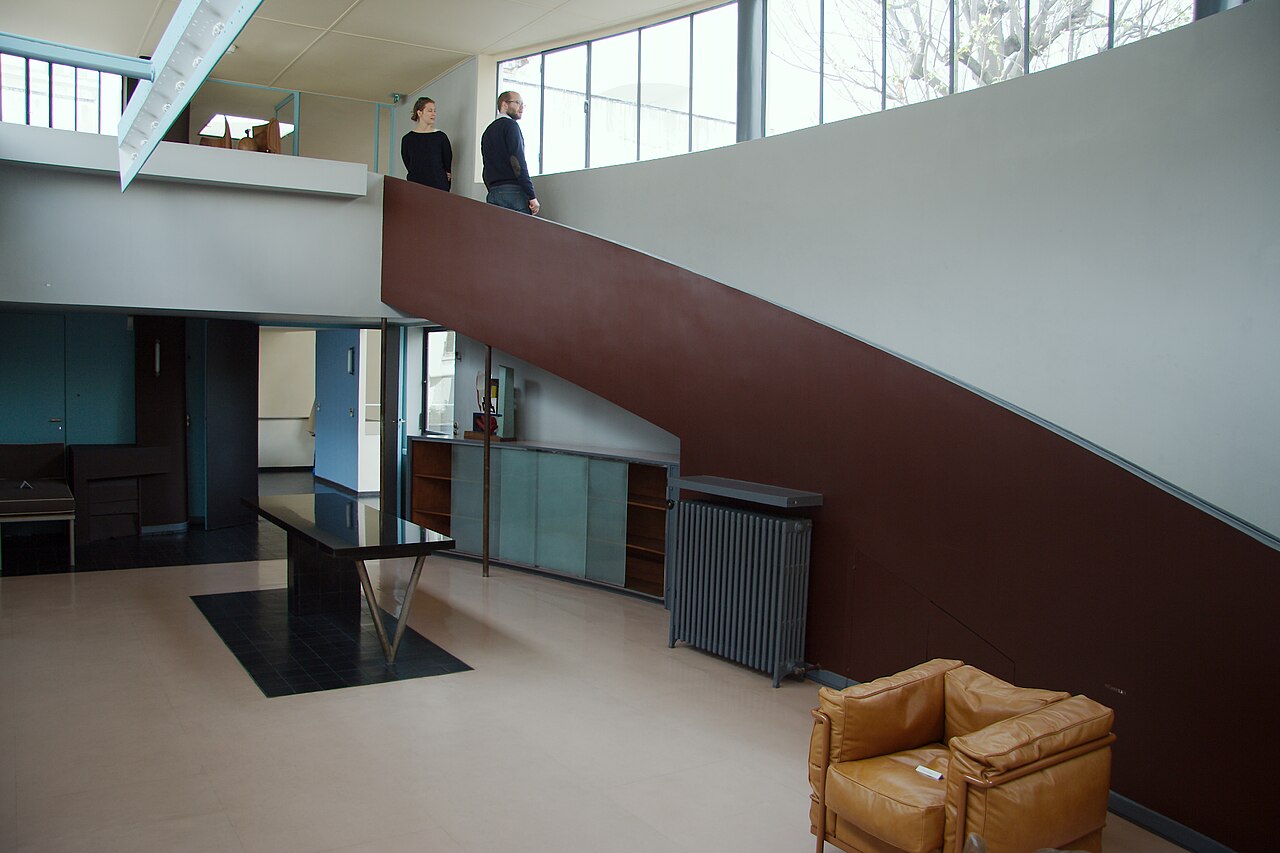

Design principles and aesthetic
Le Corbusier was a leading advocate of international modernism. He argued for functional planning, clarity of form and the honest use of modern materials. His best-known formulation, often summarized as the "Five Points of a New Architecture," promoted raising structures on pilotis (supporting columns), open floor plans, free façades, horizontal ribbon windows and roof gardens. He preferred exposed concrete (béton brut) and modular proportions as tools to achieve economy, standardization and a new visual order. These ideas influenced later movements and helped to define a widely taught vocabulary of architecture.
Major works and urban ideas
Le Corbusier designed houses, apartment blocks, religious buildings and city plans. He produced iconic works such as Villa Savoye and the Unité d'Habitation, and important commissions including the chapel at Ronchamp (Notre Dame du Haut) and the master plan for Chandigarh in India. He advanced urban concepts like the Ville Radieuse (Radiant City), which sought to reorganize housing, transport and public space to respond to the needs of rapidly growing large cities. These proposals addressed problems of overcrowding and poverty by proposing standardized, hygienic dwellings and communal facilities intended for mass housing.
His plans and buildings were widely built and debated across Europe and beyond. The use of raw concrete and block-like, monumental forms helped to inspire later Brutalist architecture. At the same time, some aspects of his urban thinking and certain political statements attracted sustained criticism for seeming technocratic or insufficiently attentive to social and cultural diversity in cities.
Art, furniture and writing
Le Corbusier also painted throughout his life and treated drawing and color as integral to architectural thinking; his graphic work and canvases were an ongoing part of his practice (painting and graphic work). He designed furniture and fittings intended to be functional and mass-producible, creating geometric pieces that complemented his buildings' clarity (furniture and product design).
- Key built projects: Villa Savoye, Unité d'Habitation, Notre Dame du Haut (Ronchamp), Chandigarh master plan.
- Urban ideas: Ville Radieuse, standardized housing, separation of functions (living, working, circulation).
- Writings: influential essays and books that promoted new standards for architecture and city planning.
Le Corbusier's legacy is both wide and contested. He helped to institutionalize many principles of modern architecture through his buildings, teaching and publications, and his work had a deep effect on postwar housing and public architecture worldwide. Scholars and practitioners continue to study his built projects and theoretical texts to understand their technical innovations, social ambitions and the debates they provoked about how cities should be shaped and governed.
For introductions to his architecture and legacy consult accessible surveys and curated resources that place his achievements and controversies in historical perspective. Further reading on his visual practice and product design is available through collections and exhibitions that document his paintings and furniture designs.
Questions and answers
Q: What was the birth name of Le Corbusier?
A: Charles-Edouard Jeanneret-Gris.
Q: When was Le Corbusier born?
A: 6 October 1887.
Q: When did he become a French citizen?
A: In the 1930s.
Q: What is Le Corbusier famous for?
A: He is famous for his theories about modernism in architecture.
Q: What did his plans include?
A: His plans included the improvement of housing for people in large cities due to many people living in poverty at that time.
Q: Where have many of his designs been built? A: Many of his designs have been built across the world.
Q: Did Le Corbusier like to paint and design furniture as well as architecture? A: Yes, he also liked to paint and was skilled at designing furniture.
Related articles
Author
AlegsaOnline.com Le Corbusier: pioneer of modern architecture and urban planning Leandro Alegsa
URL: https://en.alegsaonline.com/art/56555