
Leeds Town Hall: history, architecture and cultural role
Leeds Town Hall is a mid-19th century civic building on The Headrow in Leeds, noted for its architecture, concert use and role in civic life. Designed by Cuthbert Brodrick and opened in 1858.
Overview
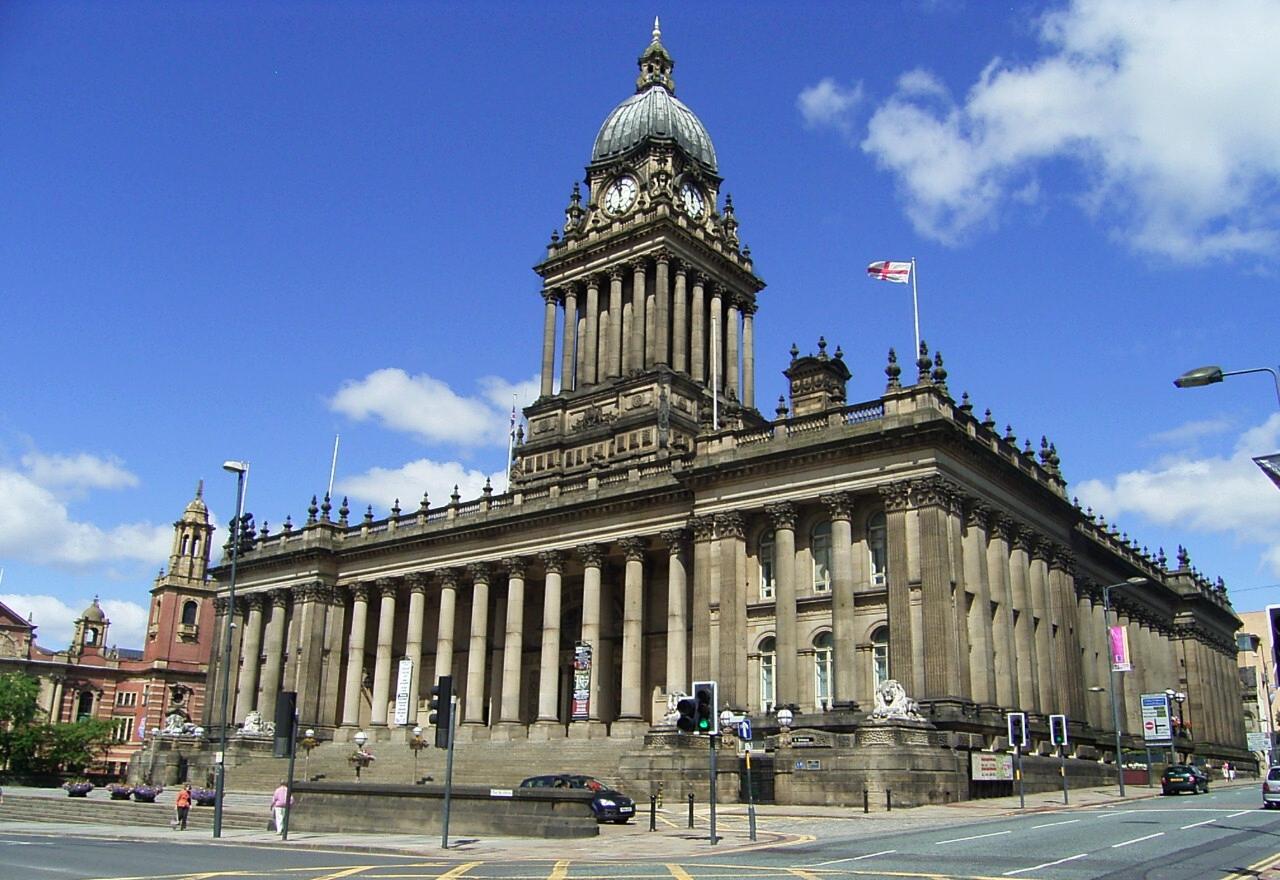
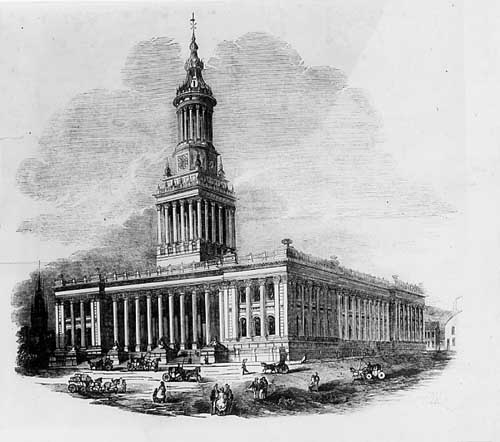
Leeds Town Hall stands on The Headrow in the centre of Leeds, West Yorkshire, as a prominent example of Victorian civic architecture. Designed by the architect Cuthbert Brodrick, it was begun in the early 1850s and opened in 1858 by Queen Victoria. The building remains a familiar landmark and a Grade I listed structure, recognised for both its urban presence and its adaptability to public events and performances.
Image gallery
10 Images



Architecture and layout
The town hall combines classical references and 19th‑century civic grandeur. Its most visible feature is a tall clock tower that dominates the skyline from The Headrow. Internally, the building contains a large ceremonial chamber often known as the main hall or great hall, smaller meeting rooms and spaces once used for municipal administration. Architectural features that attract attention include ornate stonework, formal façades and richly proportioned interiors intended to convey the dignity of public life.
History and development
Construction began in 1853 and concluded in 1858. For much of the late 19th and early 20th centuries the town hall served as the principal seat of local government and as a venue for civic functions. In 1933 the municipal council relocated its offices to the newer Leeds Civic Hall building, though the original town hall continued to host public gatherings and cultural events. The structure was, for many years, the tallest building in the city until later 20th‑century developments altered the skyline.
Uses, events and cultural importance
Today the building is primarily used as a performance and events venue. Its main hall accommodates concerts, ceremonies and public assemblies. The town hall has long been associated with music and competition: along with the Great Hall at the University of Leeds, it has served as a venue for editions of the Leeds International Pianoforte Competition. In addition to concerts, the town hall is used for exhibitions, civic receptions, and occasional private functions.
Notable facts and reputation
- Opened in 1858 by royalty and designed by Cuthbert Brodrick.
- Recognised as an important civic and cultural landmark in Leeds and West Yorkshire.
- It was once the tallest building in the city, remaining so until the mid‑20th century.
- The poet John Betjeman admired the building, and it has appeared on lists of notable British town halls.
Visiting and location
The town hall occupies a central position on The Headrow, within walking distance of other civic buildings and cultural institutions. For geographical reference its coordinates are often given as 53.8003°N, 1.5497°W. Visitors should check current listings for concerts, guided tours and temporary closures, since the building remains an active venue and is regularly used for public programming.
For further reading and event listings, municipal and cultural pages provide up‑to‑date information and historical summaries. The town hall continues to be both a symbol of Leeds's Victorian ambitions and a practical space for modern cultural life.
Questions and answers
Q: What city is Leeds Town Hall located in?
A: Leeds Town Hall is located in the City of Leeds, West Yorkshire.
Q: Who designed Leeds Town Hall?
A: The town hall was designed by Cuthbert Brodrick.
Q: When did building begin and when was it opened?
A: Building began in 1853 and was finished in 1858, when it was opened by Queen Victoria.
Q: What is the town hall mostly used for today?
A: Today the town hall is mostly used for concerts.
Q: When did the Park Plaza Hotel become taller than the town hall?
A: The Park Plaza Hotel became taller than the town hall in 1966 when it was built on City Square.
Q: What two venues are used for the Leeds International Pianoforte Competition?
A: The two venues used for the Leeds International Pianoforte Competition are the town hall and Great Hall at the University of Leeds.
Q: Which other nearby town hall also listed as one of top-ten favourite UK town halls according to a 2008 poll?
A: Halifax Town Hall also listed as one of top-ten favourite UK town halls according to a 2008 poll.
Related articles
Author
AlegsaOnline.com Leeds Town Hall: history, architecture and cultural role Leandro Alegsa
URL: https://en.alegsaonline.com/art/56922