
Lantau Island (Hong Kong's largest island)
Lantau Island is Hong Kong’s largest island, known for its mountains, beaches, rural villages, major infrastructure and tourist sites including the airport, Tian Tan Buddha, Tai O and Hong Kong Disneyland.
Overview
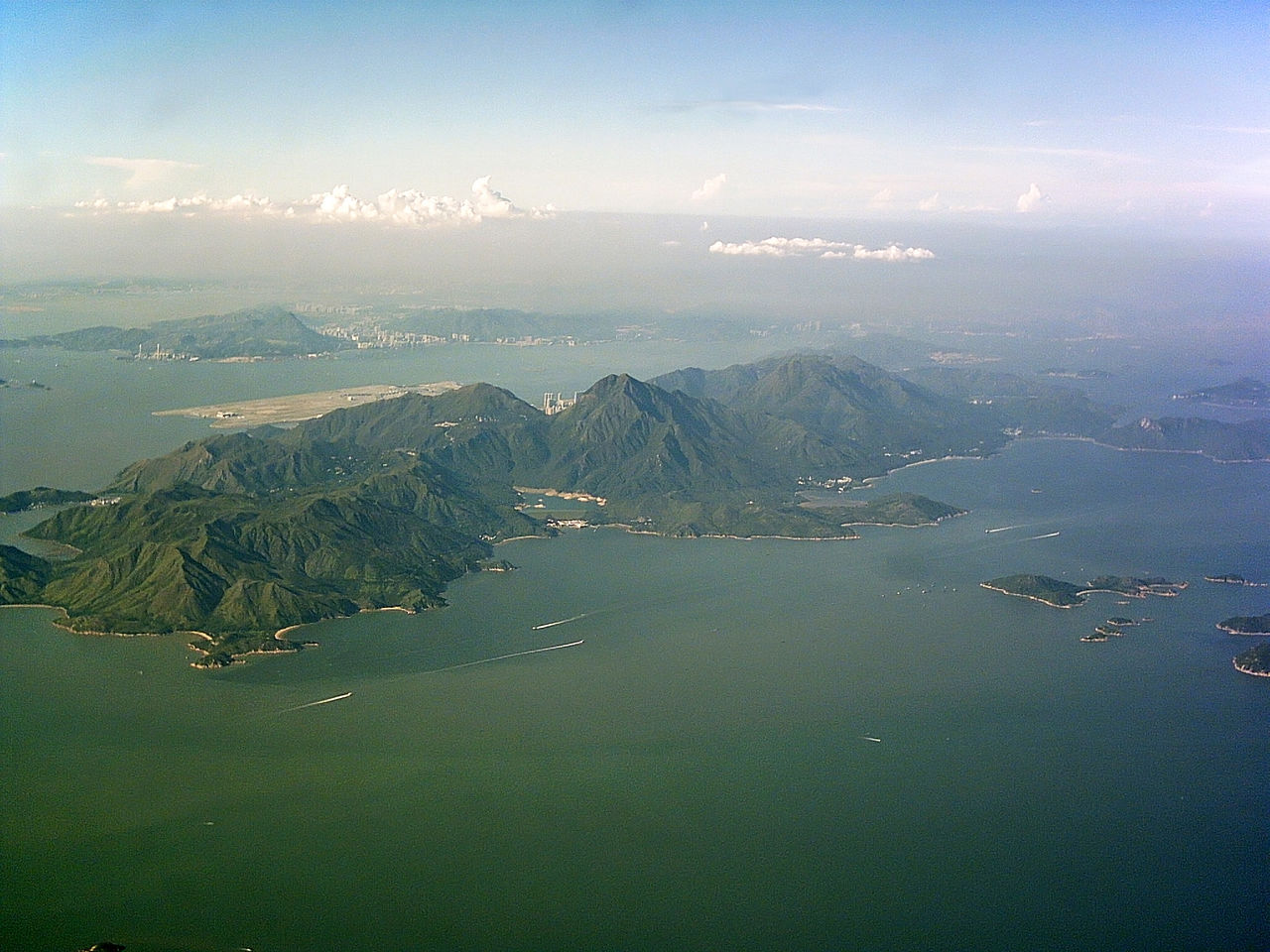
Lantau Island is the largest island in the territory of Hong Kong. It combines high peaks and protected country parks with significant modern infrastructure: the territory's main international airport and several transport links are located on or beside the island. The name is often used to refer both to the island itself and to the surrounding archipelago of small islets.
Image gallery
10 Images



Geography and natural features
Lantau is dominated by rugged hills and forested ridges. Its highest point, Lantau Peak (Fung Wong Shan), rises to a prominent summit that attracts hikers for sunrise views. Much of the interior is designated as country parkland, with coastal plains, sandy beaches and tidal flats supporting diverse wildlife and traditional fishing communities.
History and development
Historically sparsely populated, Lantau retained many fishing villages and rural settlements until large-scale changes in the late 20th century. Major projects — most notably the move of Hong Kong's airport to the reclaimed island of Chek Lap Kok and the construction of cross-sea bridges and expressways — transformed parts of the island into transport and logistics hubs.
Key attractions and uses
- Lantau Island is home to the Tian Tan (Big) Buddha and Po Lin Monastery near the Ngong Ping plateau, a major pilgrimage and tourist site.
- The traditional stilt-house village of Tai O preserves an older coastal way of life and is popular with visitors.
- Hong Kong Disneyland Resort occupies a reclaimed bay on northeastern Lantau and draws international tourism.
- The airport on Chek Lap Kok makes the island central to Hong Kong’s international connections.
Transport and access
Access to Lantau is provided by motorway bridges, ferries and public transit. The Tung Chung new town has rail links to urban Hong Kong, while cable car and bus services connect visitors to interior and scenic sites. These links make the island both a conservation area and a gateway for visitors arriving by air or sea.
Conservation and notable facts
Large tracts of Lantau are protected as country parks to preserve their landscapes and biodiversity. At the same time, proposals for further development have prompted public discussion about balancing conservation with infrastructure and housing needs. Lantau remains notable for combining dramatic natural scenery, traditional villages and modern transport facilities in a single island.
Related articles
Author
AlegsaOnline.com Lantau Island (Hong Kong's largest island) Leandro Alegsa
URL: https://en.alegsaonline.com/art/55951
Sources
- books.google.com : 大澳