
Laoag — capital city of Ilocos Norte, Philippines
Overview of Laoag, the capital of Ilocos Norte in the Philippines: geography, history, economy, culture, transport, and notable landmarks.
Overview
Laoag is the capital city of the province of Ilocos Norte in the northern part of Luzon, Philippines. Known in the Ilocano language as Siudad ti Laoag, it functions as the commercial and administrative center for the surrounding province. The city blends Spanish colonial and Art Deco architecture with modern commercial areas, and serves as a regional hub for government services, trade, and tourism. For municipal details see city information and regional context at the national level.
Image gallery
10 Images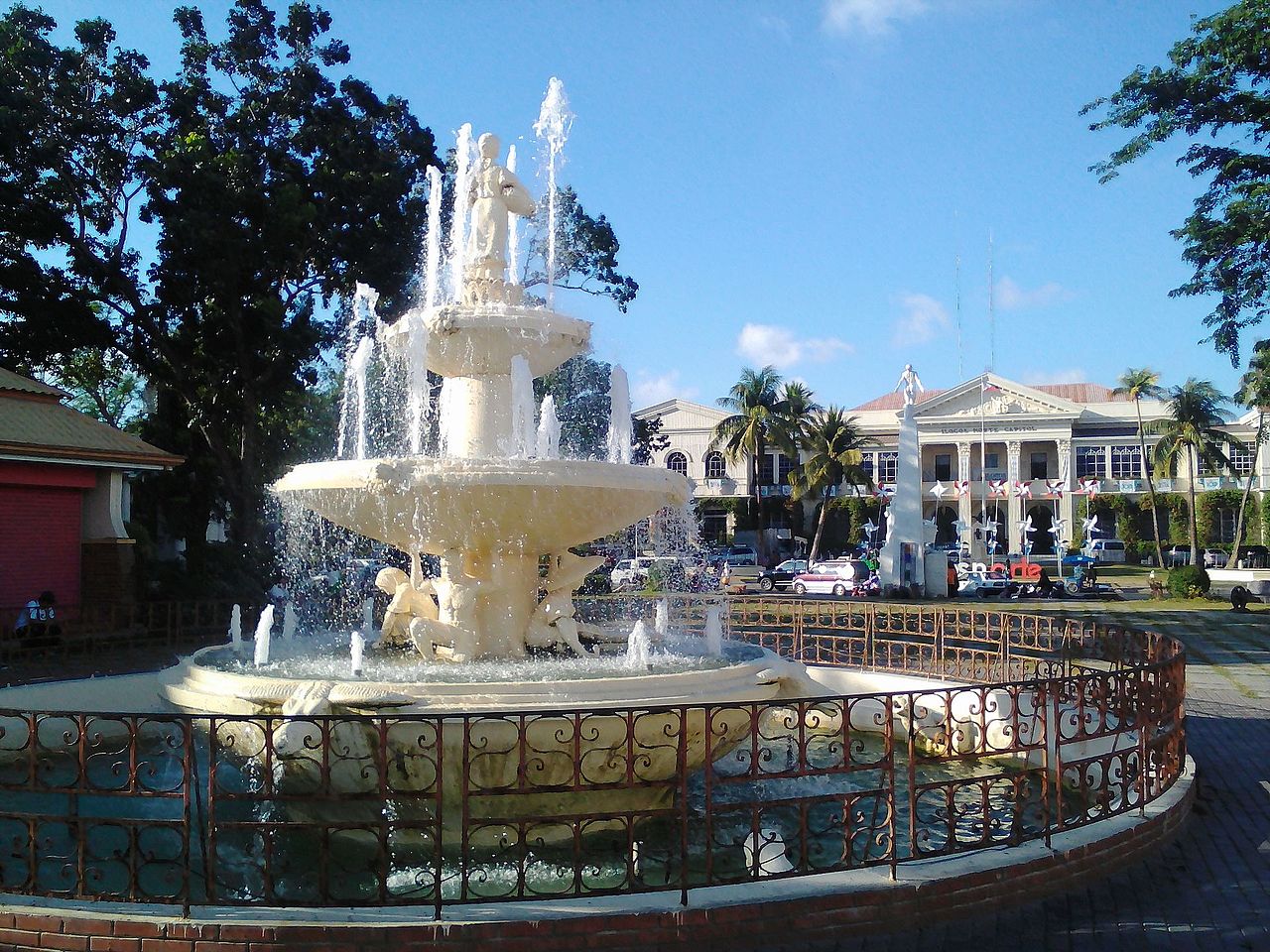



Geography and climate
Laoag lies on a coastal plain facing the South China Sea and is surrounded by agricultural lowlands. Its setting produces a predominantly tropical climate with a distinct dry season and a wet season influenced by monsoon patterns. The landscape near the city includes coastal beaches and the rolling sand dunes popular with visitors. For provincial geography consult resources about Ilocos Norte and related maps at provincial guides.
History and development
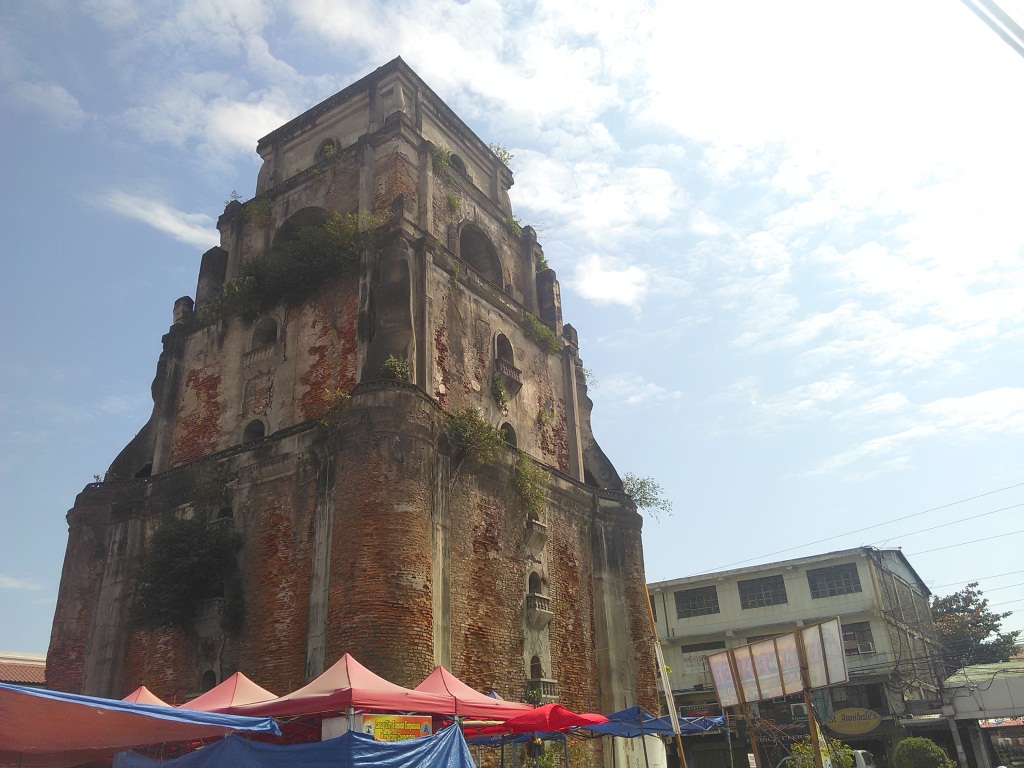
The city grew from a precolonial settlement into an important town during Spanish rule and later through the American colonial period. Many historic structures — including churches and bell towers — reflect those eras. Over time Laoag evolved into a regional capital and service center, adapting agriculture-based surroundings into a mixed economy with trade and tourism.
Economy and transportation
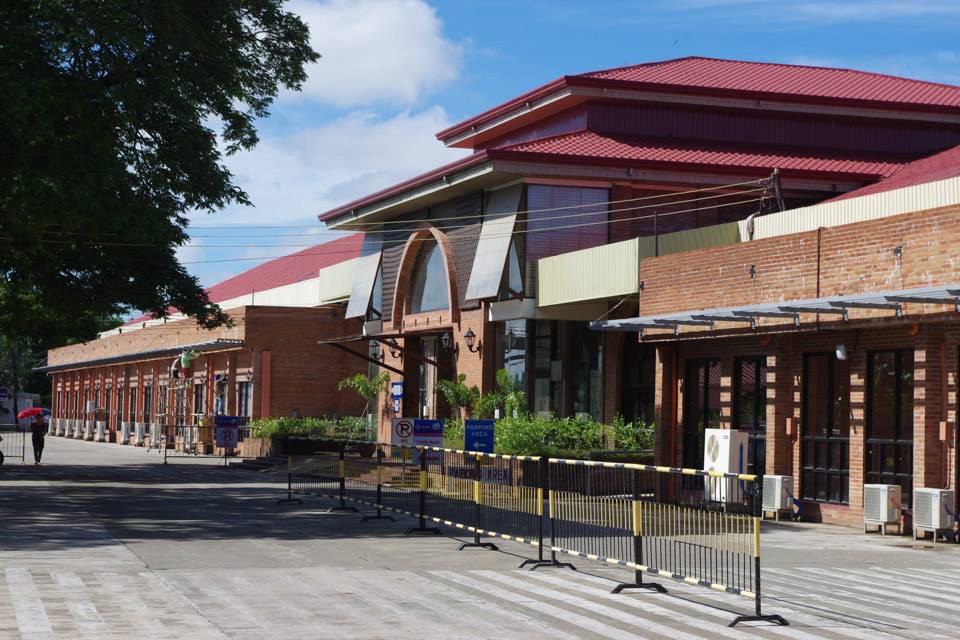
Laoag's economy combines public administration, commerce, services, and agriculture. Traditional crops such as rice and tobacco remain significant in the province, while the city hosts markets, retail centers, and light industry. Transport links include a regional airport with scheduled flights to major Philippine cities and road connections to neighboring towns and provinces, making Laoag a gateway for northern Luzon travel.
Culture and attractions
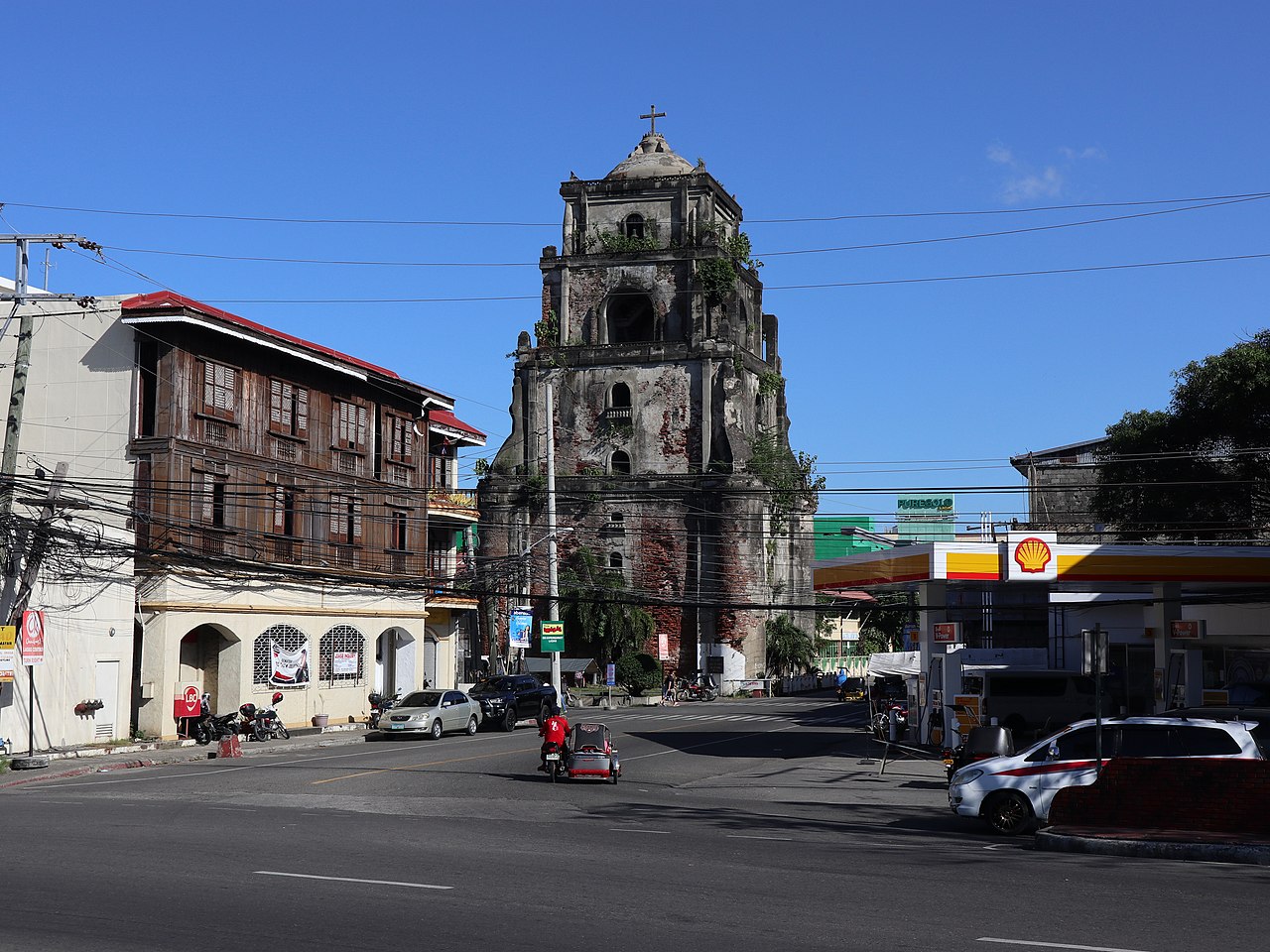
The city celebrates Ilocano traditions and festivals that draw visitors. Notable landmarks include the old cathedral and its adjacent belfry, municipal plazas, and several examples of colonial and early 20th-century architecture. Nearby natural and cultural attractions, such as sand dunes and heritage sites, add to Laoag's appeal for tourists and researchers interested in northern Philippine history and culture.
Practical notes and distinctions
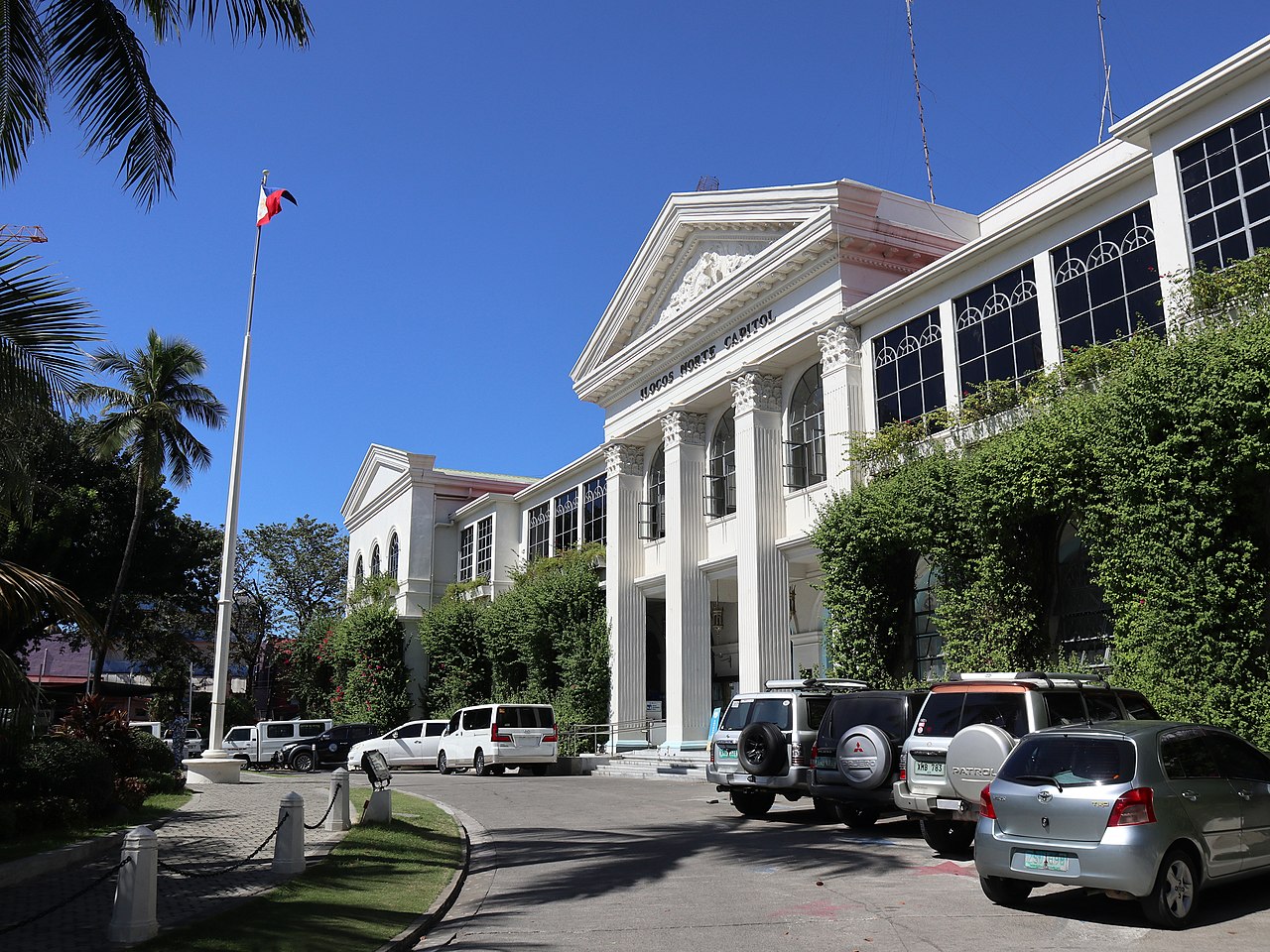
- Laoag functions administratively as the provincial capital and is a focal point for government services — see capital resources.
- Its role as a transport hub is supported by an international-class airport and regional highways that link Luzon’s northern provinces.
- Visitors often use Laoag as a base for exploring Ilocano culture and nearby coastal and inland attractions; planning resources are available through regional tourism pages like local guides and provincial overviews at Ilocos Norte information.
Related articles
Author
AlegsaOnline.com Laoag — capital city of Ilocos Norte, Philippines Leandro Alegsa
URL: https://en.alegsaonline.com/art/55969
Sources
- psa.gov.ph : "Province: Ilocos Norte" · web.archive.org
- psa.gov.ph : "Region I (Ilocos Region)"